
Bob in the Anglican Church? Yessssss please ๐Ÿ™‚โ€โ†•๏ธ ๐Ÿซก


The service to commemorate emancipation, held at St Barnabas church, is easily one of the most daring things I have seen in the Anglican church space,

and I am here for it.

Of course I understand the position of the Rastafarian community; the Anglican church as an institution has blessed some of the greatest abuses against black people and been silent on the others. Not least the destruction of Temple Yard in Barbados, and in Jamaica, Bustamante’s 1963 order to “bring in all Rastas, dead or alive” โ€” the Coral Gardens massacre that saw beard men hunted, beaten, and locked away simply for who they were. But this to me represents the new Caribbean Anglican church โ€” the one doing one of the most daring things, proclaiming a God who is also in the image of Caribbean people, a God who stands up for the rights of the sufferah.

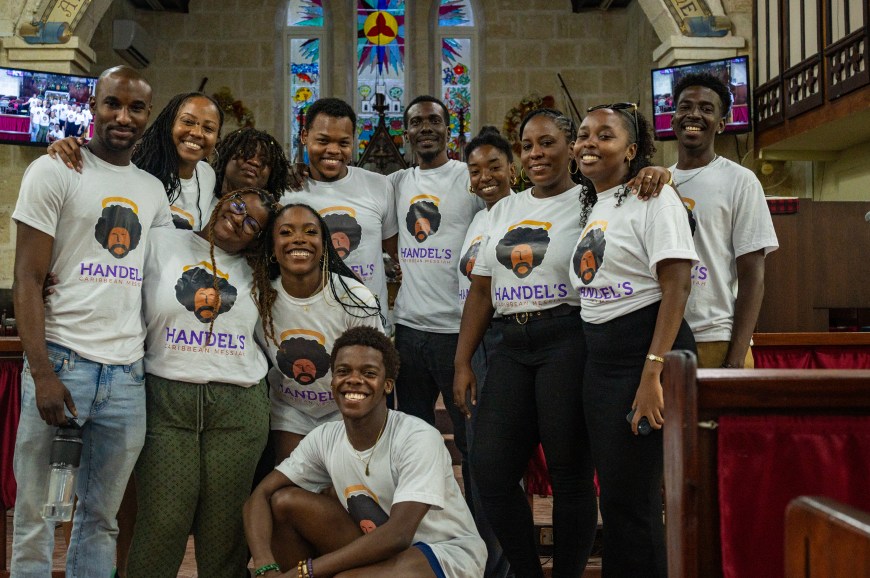
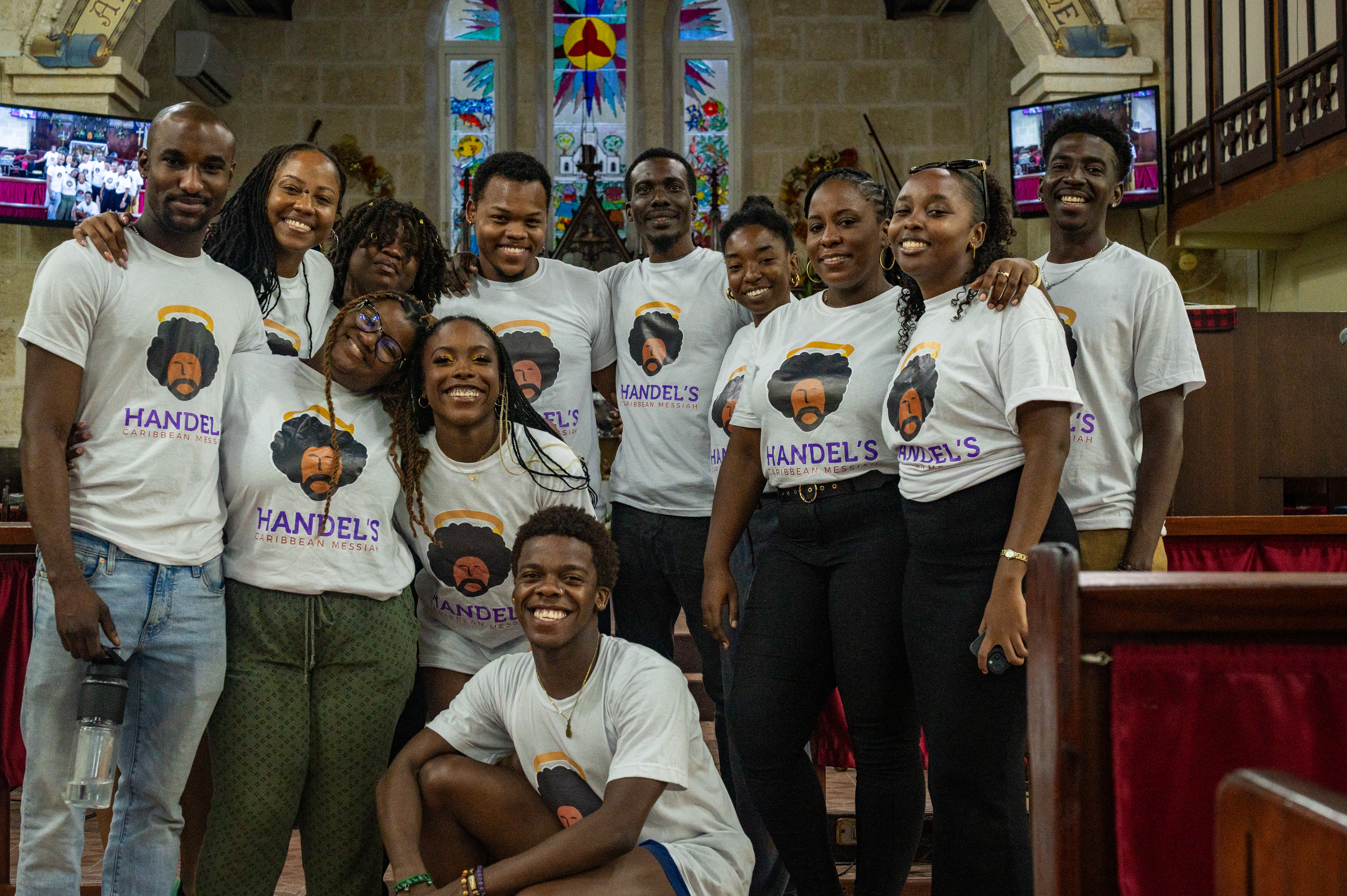
I am on this journey too. The same criticisms levelled at this service are the ones that have followed my work on Handel’s Caribbean Messiah โ€” that we are stretching the tradition too far, that we are putting Caribbean bodies and Caribbean God-images where they were never meant to sit.

I wear that criticism the same way this service wears it: as confirmation we are doing something that matters.

May this version of the Anglican church step forward and lead us into a new Caribbean.

I am here for it.


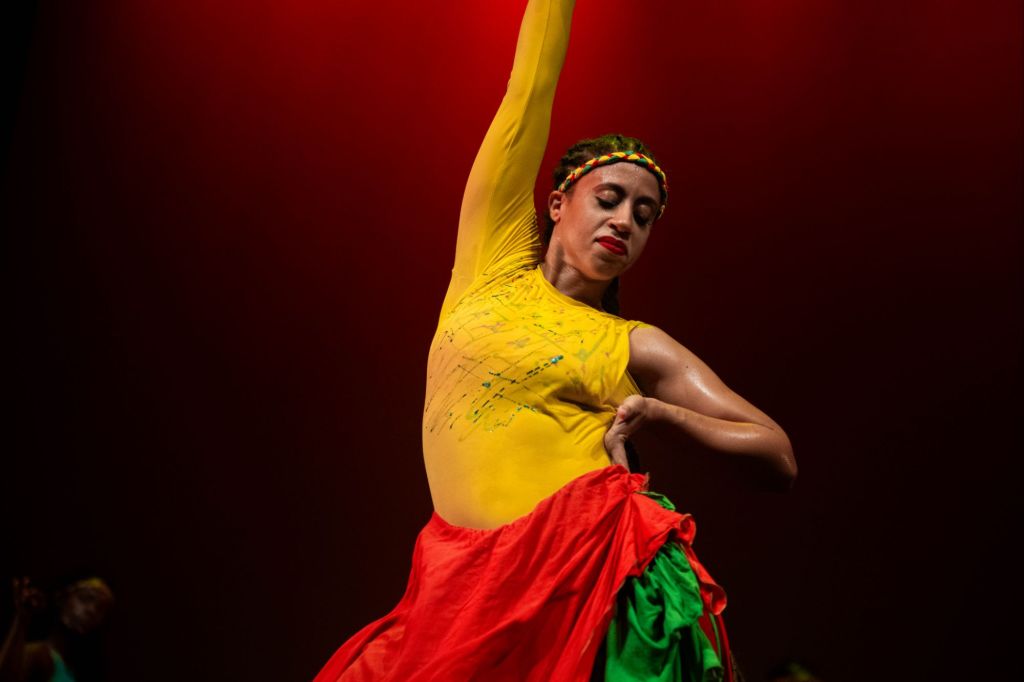
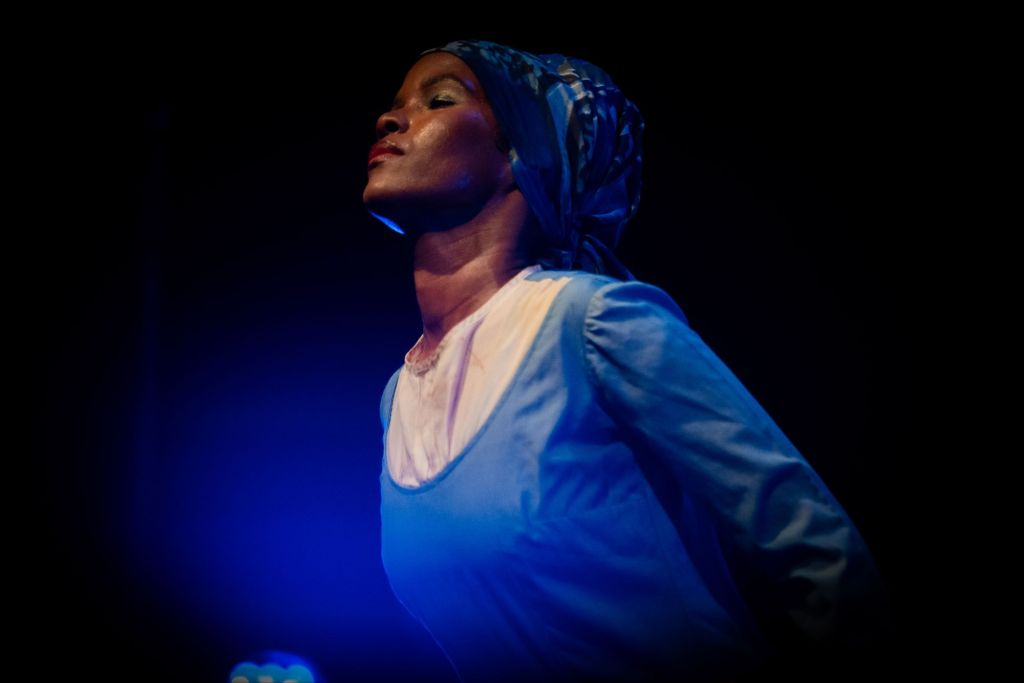
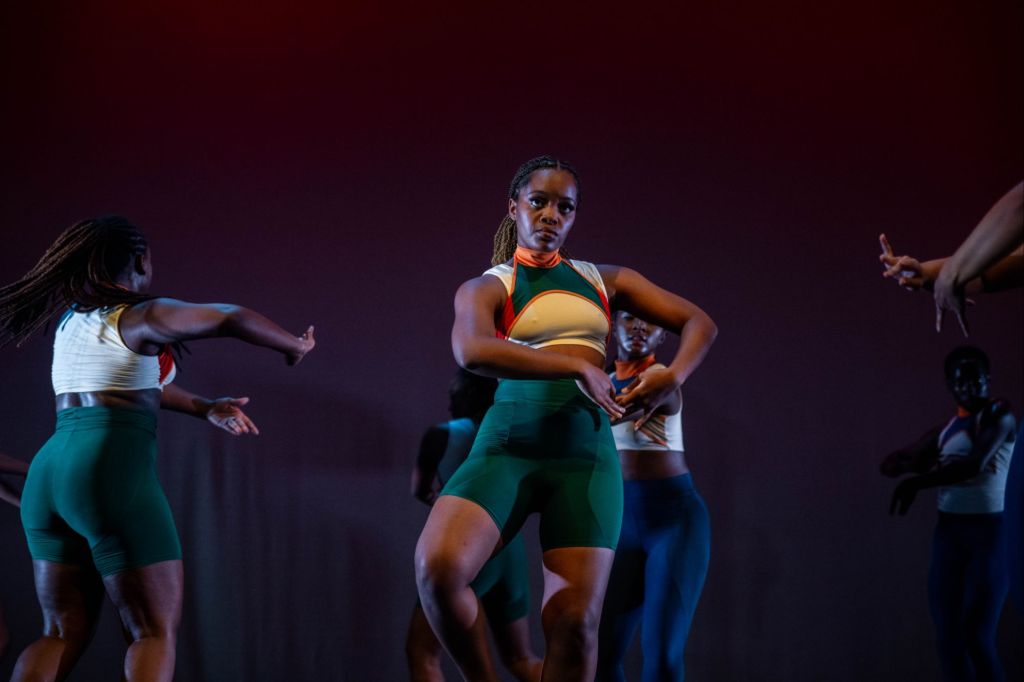
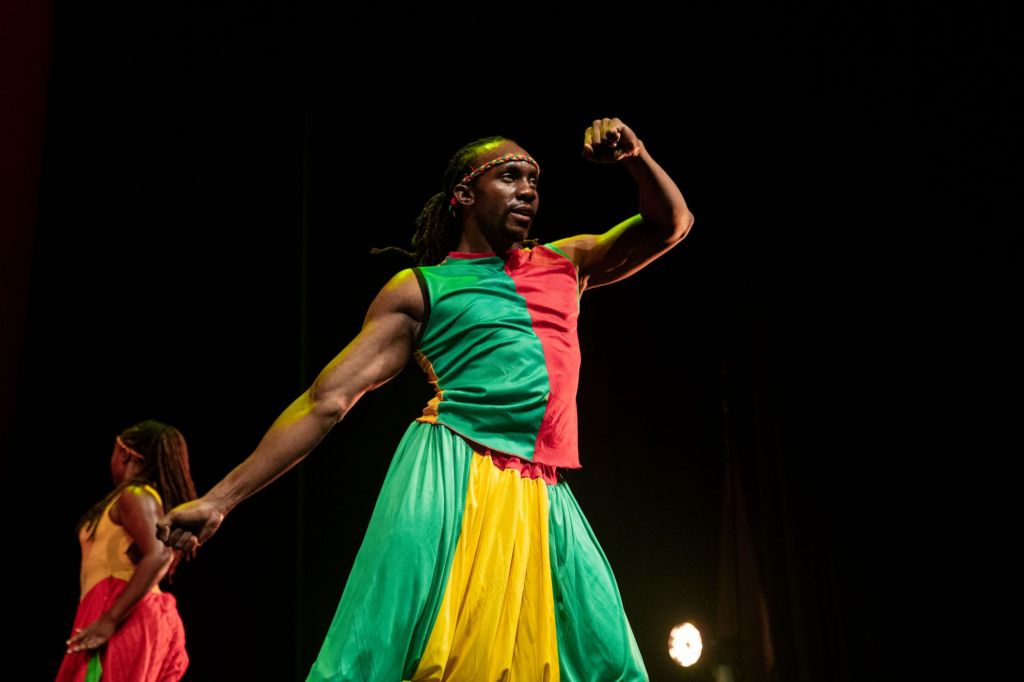
Carifesta XV Day#3

Sunday, the 24th of August was Night of the Icons at EBCCI.

This event saw a number of Caribbean cultural giants honoured.

Here are a few pics from the night.

๐Ÿ‡ฏ๐Ÿ‡ฒ๐Ÿ‡ง๐Ÿ‡ง๐Ÿ‡จ๐Ÿ‡บ๐Ÿ‡ฌ๐Ÿ‡พ

Carifesta XV

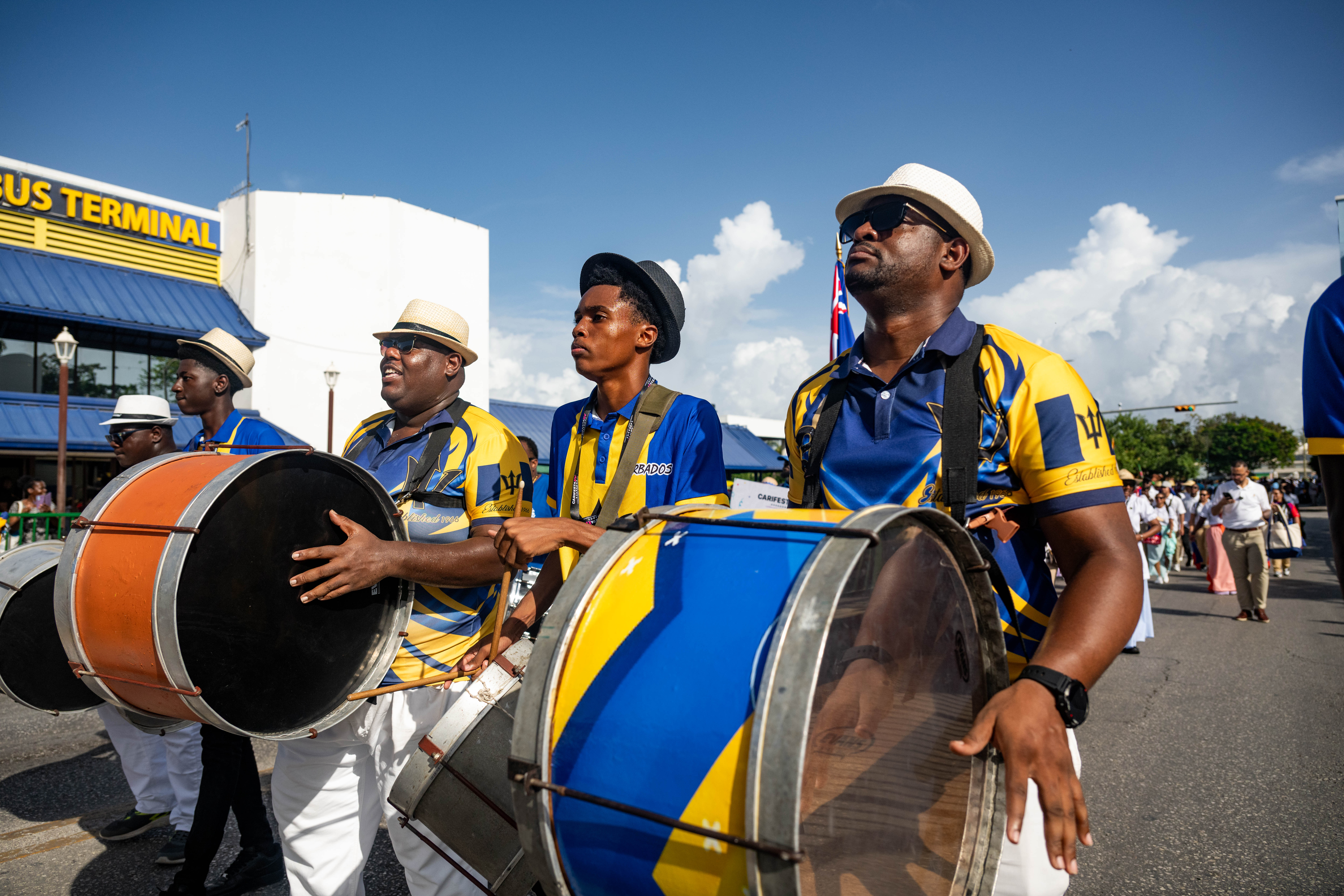
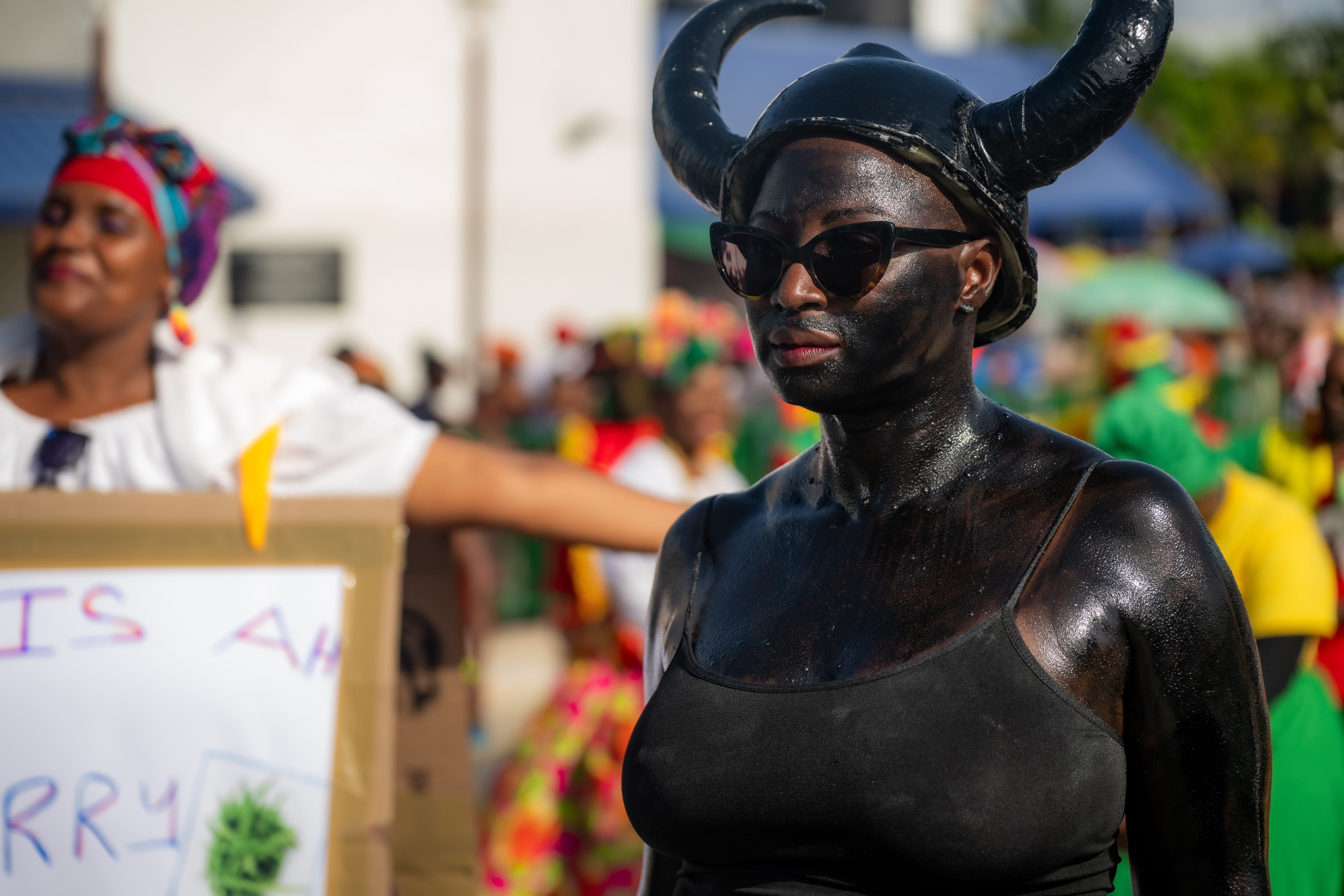
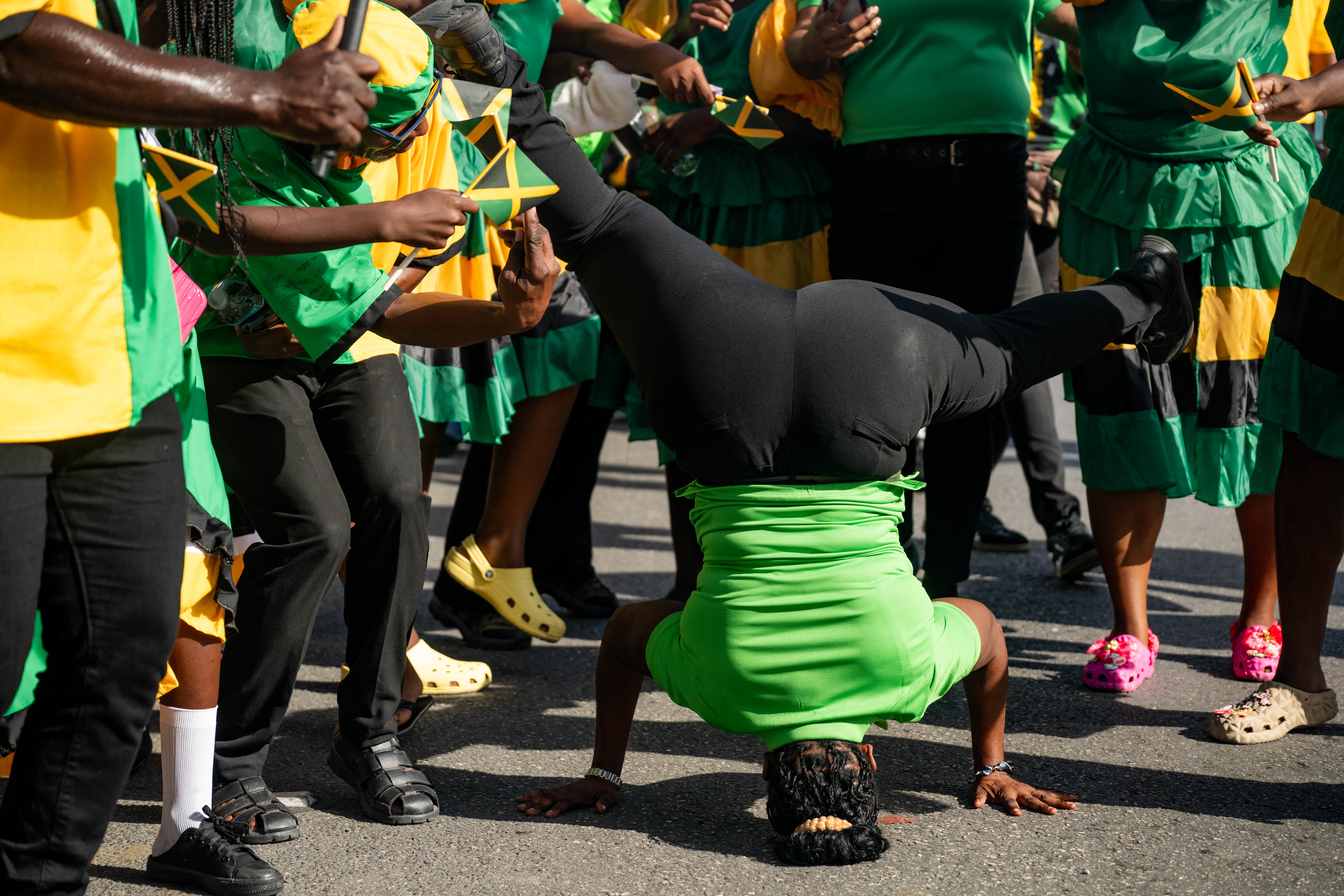
Carifesta is in Barbados, returning after 8 years.

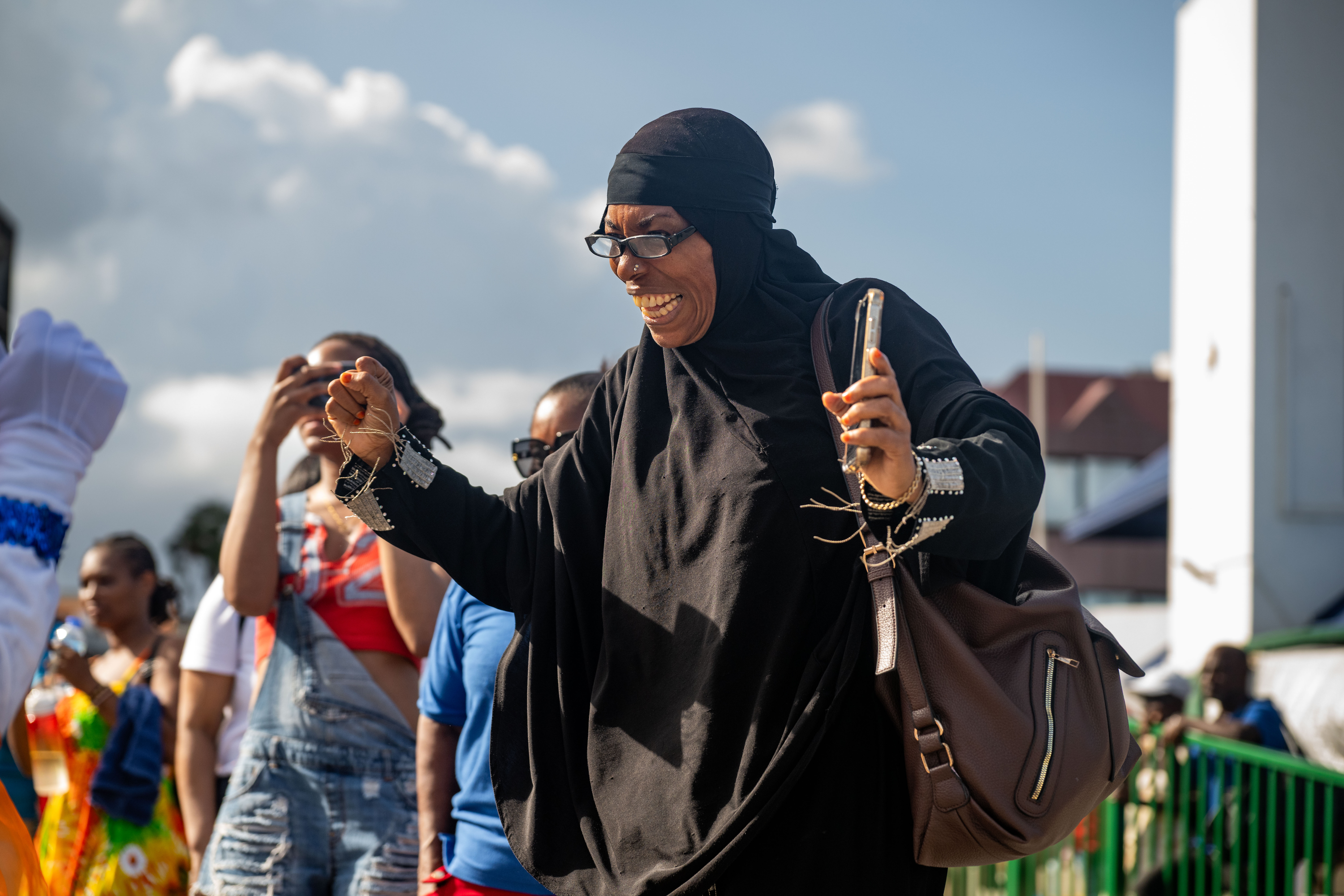
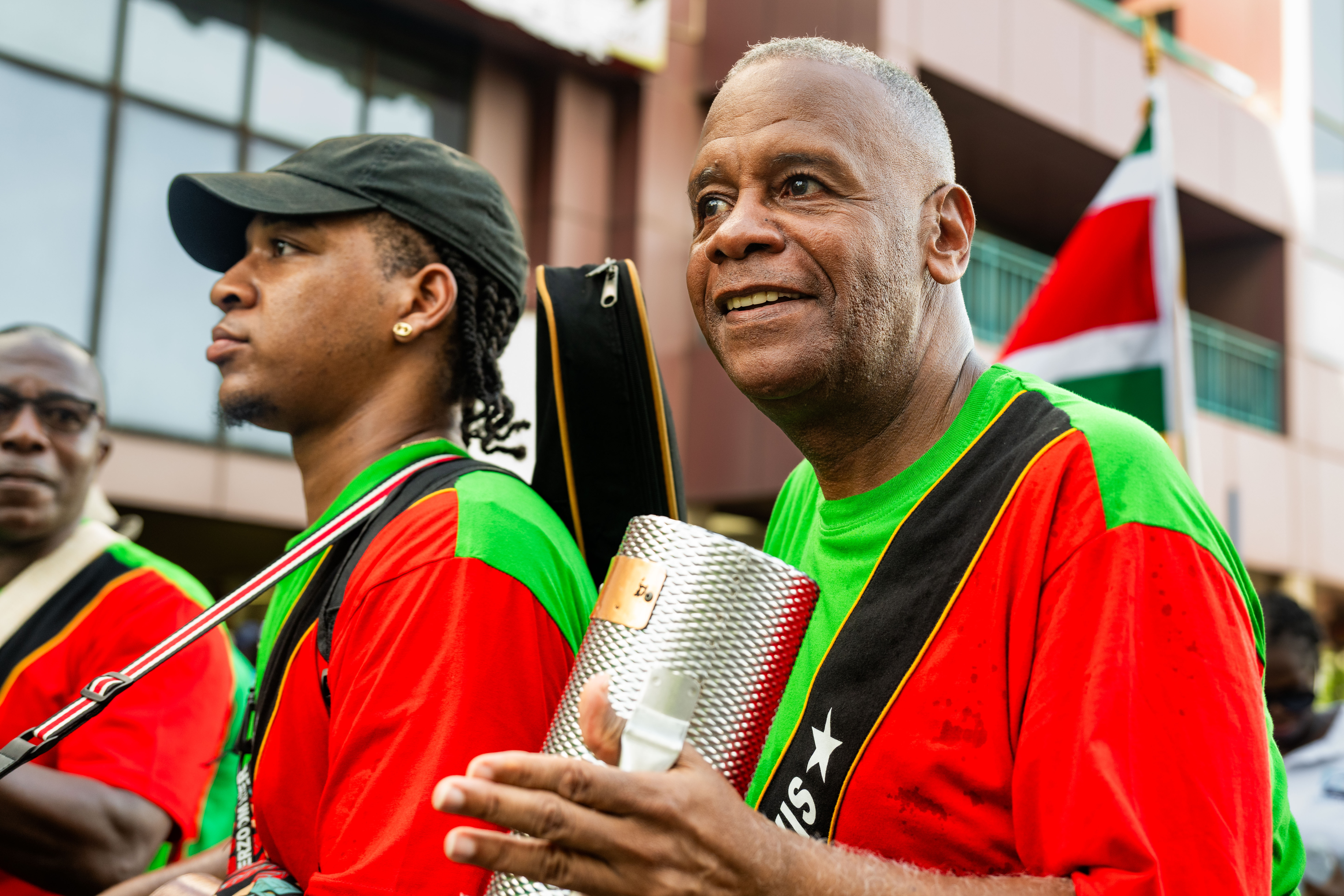
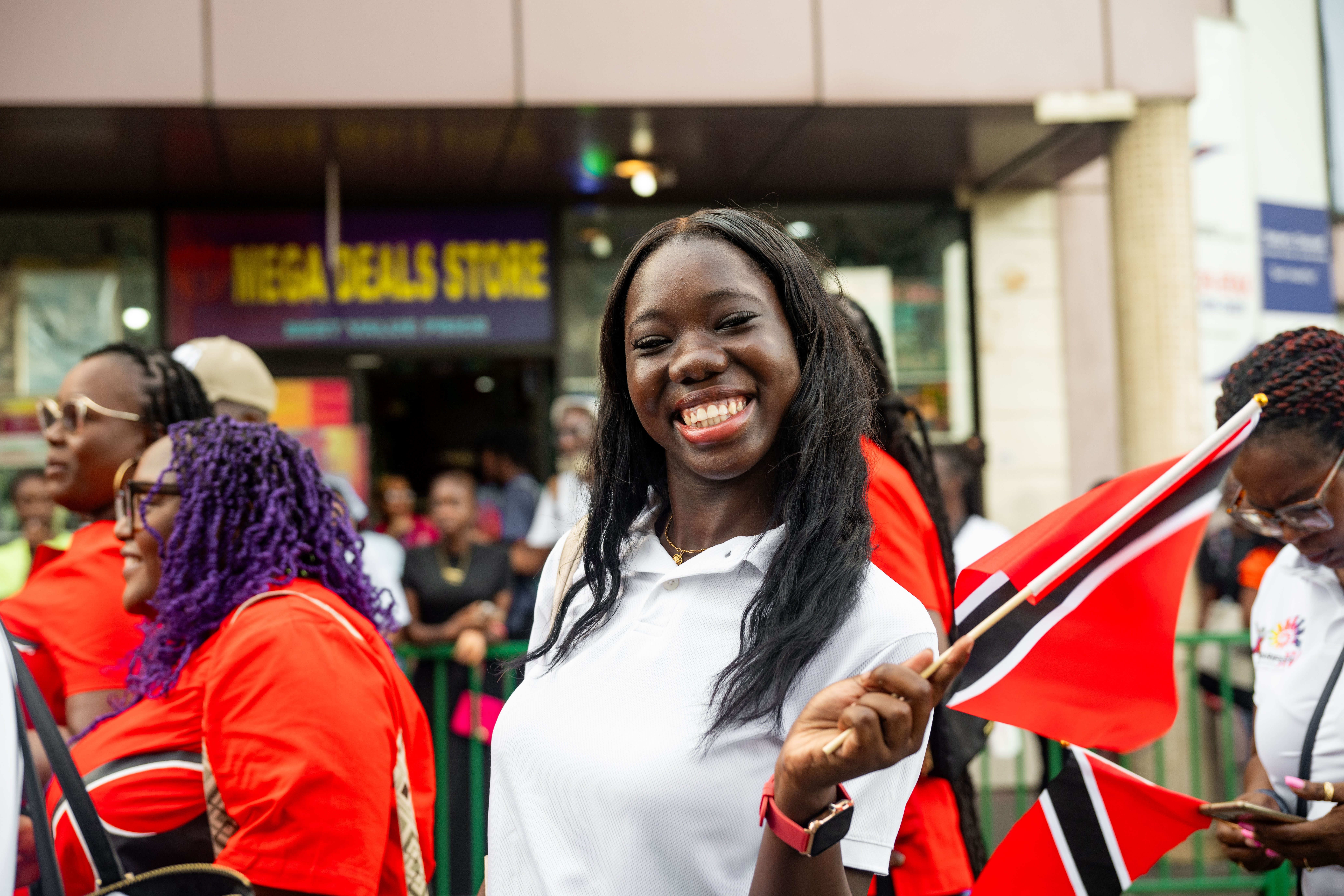
As I continue to explore another aspect of art as part of the media team, here are some of my photos from this year’s parade.

If you are in Barbados, COME OUT!

There is a lot going on!

Happy New Year

Today has been a busy year one where I promised more blogging but instead was between the Handel’s Caribbean Messiah and the BFA and BA programs.

Well for those that pass through here, I want to wish you a happy new year from my Cuban as well as Barbadian Handel’s Caribbean Messiah teams.

Happy New Year everyone.

Crop Over Steel Classics – Happy 50th Anniversary

It is important to continually work with older content; that’s how you build wealth. In that regard, I want to announce my latest offering based on indigenous music, Crop Over Steel Classics, the first release from my new label, 1844 Productions.

https://1844prodcuctions.bandcamp.com/album/crop-over-steel-classics

This album has some of the biggest Crop Over songs of the last 50 years rearranged for steel pan. I have also included a .pdf with the score for all the arrangements.

I want to thank Erica and Gail from COSCAP for helping me with this venture, as they, too, realise the importance of always working with what you have.

Enjoy!

Crop Over – The Periods – Period II – The Blue Ice Years – 1983-1990

Welcome back to my series of Crop Over musical periods. The last period, Ancient Crop Over Music, looked at the music that was part of the festival after its re-introduction in 1974. This next stage is one of the most important ones in the Barbadian music period, and for many, it is seen as the Golden Age.

The Blue Ice Years

The Blue Ice Years is the period where Eddy Grant, from his Blue Wave Studio in St. Philip and Ice Records, his label, dominated Crop Over. He was responsible for the songs that bossed the Tune of the Crop, which are the songs most frequently played at Kadooment, which is the final day of Crop Over.

Boots – The Mighty Gabby

This 1983 release from the Mighty Gabby was massive, not only in Barbados for Crop Over but throughout the region. In fact, it did the unthinkable for a Barbadian release then and became very popular in Trinidad. Boots is also typical of the Grant production approach of that time, with back-beat drums, minimal use of horns, and comparatively sparse bass lines. This song did not win the Tune of the Crop for that year, but it remains one of the classic Crop Over songs of all time.ย 

Sousy – Director


Produced by Eddy Grant and arranged by trumpeter Ricky Brathwaite, this song was one very popular in 1985. The rhythms were more typical of other soca offerings in the Caribbean at the time, and it didn’t have the Grant production stamp of the period, however, the durability (it was remade this year by Barry Chandler) and the impact of this work can not be denied.

Mr. T, Stinging Bees, More Grynner- Grynner

When it comes to popular works from the Blue-Ice Period, Grynner’s songs are definitely the ones to be noted. Grynner was the undisputed Tune of the Crop artist of the 80s, and these three songs won from 1983 to 1985. All of them bore the Eddy Grant style, with the back-beat rhythms from American music and/or the bass and harmonic minimalism.

Summary

For me, the Blue-Ice Period is the most nostalgic era of Crop Over for older Barbadians. It was not only defined by these iconic sounds and songs, but also marked a significant shift in the festival’s status. This was a time when the tent system was thriving, and Crop Over transitioned from the fringes to being a truly national festival.

Crop Over Music – The Periods – 50 Years

So, this year marks the 50th anniversary of Crop Over, and what do we academic types do with art that has been around a long time?

We analyse it and classify it.

Like other classification systems, there is no one cut-off point; instead, each one flows into the other.

Let me declare my hand now; these periods will deal with areas of creativity within Crop Over, which, in the case of Barbados, are mostly within the soca area (which really starts to come in the 2nd Period)

1st-period Ancient Crop Over Music  – 1974-1982

Music of the earliest Crop Over falls under here. The genre of the period is dominated by calypso. In short, this time is mainly based on Barbadian singers, musicians, and producers copying the music from Trinidad.

Key songs from this time:

The Mighty Gabby’s Mr. Harding from 1979.

The drum beat and the melodic construction from this song are all within the typical Trinidadian party calypsos of the 1970s. The instrumentation with the prominence use of “brass” (trumpets and saxes) also makes this a direct copy of what Trinidadian arrangers were doing then.

A similar work from this “Ancient Crop Over Music” time is Viper’s Ting Tong.

Not to sound like a stuck record, but this song, too, displays the characteristics of the Gabby song I posted before. I also want to highlight how melody and harmony work from this Ancient Crop Over Period. There is harmonic movement, and the melodies are less repetitive, especially in the choruses.

This song, Mr Harding from the young artist Red Plastic Bag, comes from the Pic-O-De Crop Competition. This competition is where the heavier lyrical content songs come to be judged in front of a panel, with a winner crowned the calypso monarch. The tempo and the extensive, and I mean EXTENSIVE, verses were typical of these songs, called social commentaries, from the Ancient Crop Over Music period.

The final song I want to post from this time is Jack from the Mighty Gabby. This song also entered the Pic-O-De Crop competition in 1982, but it is a far more uptempo song than Mr. Harding. The verses are shorter, and the melody is much more repetitive despite dealing with a social issue. This song marks the end of this period as the next period began to establish an indigenous Barbadian soca sound.

Catch me on the next blog post for part II – The Blue Wave Period.

Bonus Ancient Crop Over Music Song – Romeo’s Brother Fuzzy