
Review: “Motorboat Holiday” by The Lazy Californians

Someone sent me a song this week โ€” proof, I suppose, that this blog is actually being read. The song is “Motorboat Holiday” by the Lazy Californians, and the man behind it pitched it to me as calypso. He’s not wrong, exactly, but he’s not quite right either.

This is calypso the way Harry Belafonte sold it to America sixty, seventy years ago โ€” the postcard version, not the real thing. If you know the genre the way I do, you’ll hear immediately that it doesn’t reach back any further than that. It’s not pretending to be authentic, and to its credit, it doesn’t try.

What it’s actually trying to be is funny, and here it mostly succeeds. The lyrics play a double entendre game that lands exactly where it’s aiming โ€” simple, cheeky, built for a laugh rather than a message. I won’t pretend to judge it as though it wanted to be serious, because it clearly doesn’t.

The playing tells two different stories. The trumpet and flute soloists know what they’re doing โ€” good tone, good technique, genuinely pleasant to listen to on their own terms. The rhythm section is where it falls apart a little; things don’t always lock together, and you can feel the band pulling in slightly different directions underneath the solos.

So: a simple song doing a simple job, carried by two strong soloists and let down a bit by the engine room. Two and a half stars. It made me laugh โ€” I just wish it could also keep time.

Oh, and I like melons too.

Bob in the Anglican Church? Yessssss please ๐Ÿ™‚โ€โ†•๏ธ ๐Ÿซก


The service to commemorate emancipation, held at St Barnabas church, is easily one of the most daring things I have seen in the Anglican church space,

and I am here for it.

Of course I understand the position of the Rastafarian community; the Anglican church as an institution has blessed some of the greatest abuses against black people and been silent on the others. Not least the destruction of Temple Yard in Barbados, and in Jamaica, Bustamante’s 1963 order to “bring in all Rastas, dead or alive” โ€” the Coral Gardens massacre that saw beard men hunted, beaten, and locked away simply for who they were. But this to me represents the new Caribbean Anglican church โ€” the one doing one of the most daring things, proclaiming a God who is also in the image of Caribbean people, a God who stands up for the rights of the sufferah.

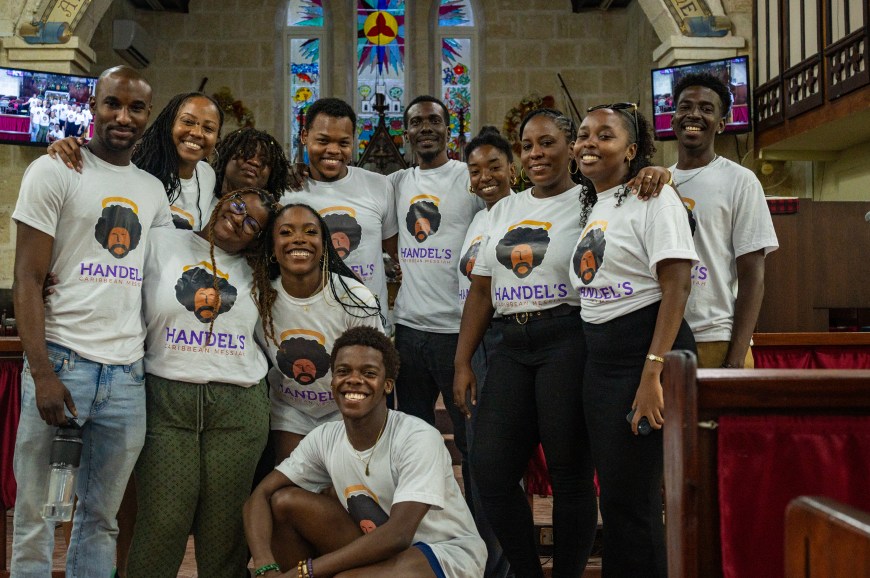
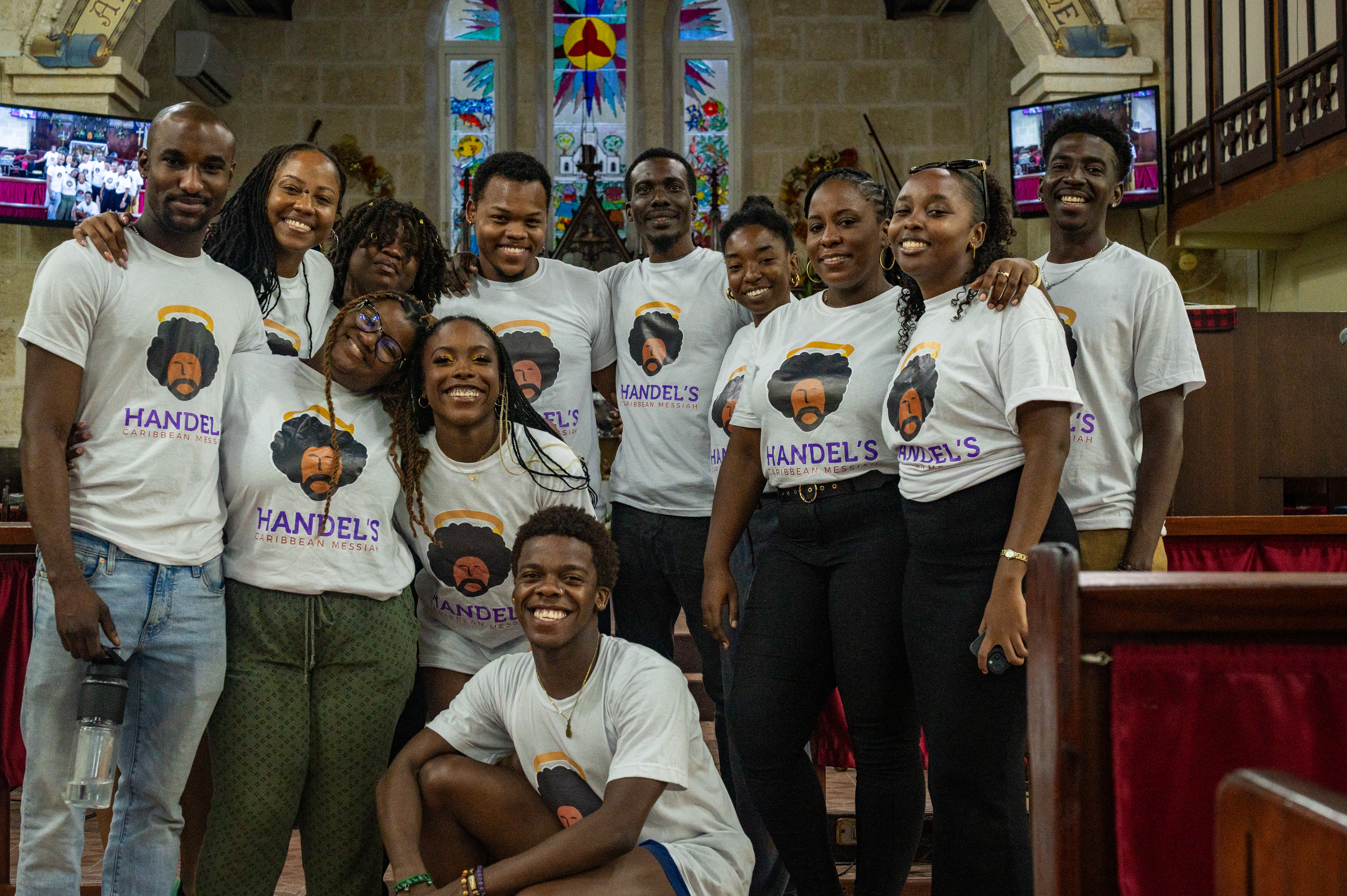
I am on this journey too. The same criticisms levelled at this service are the ones that have followed my work on Handel’s Caribbean Messiah โ€” that we are stretching the tradition too far, that we are putting Caribbean bodies and Caribbean God-images where they were never meant to sit.
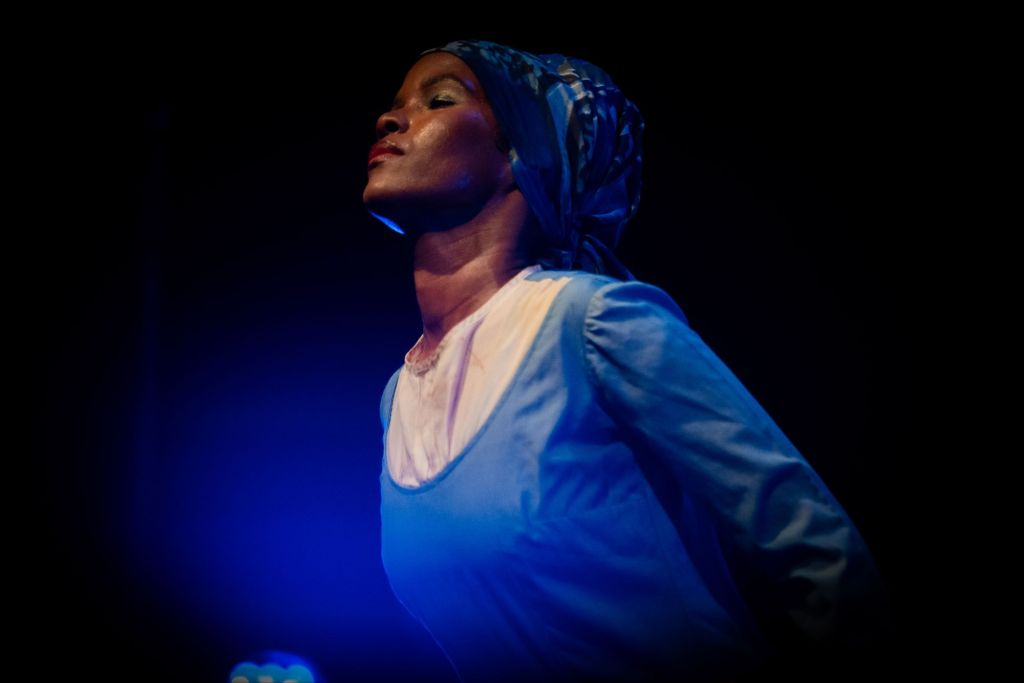
I wear that criticism the same way this service wears it: as confirmation we are doing something that matters.

May this version of the Anglican church step forward and lead us into a new Caribbean.

I am here for it.


JOHN BOULAY – CHARLOTVILLE OR MARTIN’S BAY?

This folk song, John Boulay, is one of the more popular folk songs in Barbados.

I learnt it not from my parents or grandparents, but at primary school from my music teacher, Mr Messiah, and the Bible of folk songs from Barbados, The Folk Songs of Barbados by Marshall, McGeary and Thompson.

However, when I searched for a version of the song I did with the female group, The Tenantry. I came across this. John Boulay, sung by Errol James with the Marionette Chorale. Here it is below:

In the description, it is called a Tobago folk song.

I am really not surprised by this, as songs, even in those days without modern mass media, travelled easily. The journey was made even easier, no doubt by the closeness of Barbados and Tobago. What is interesting, though, is that John Boulay, who is from Martin’s Bay in Barbados, is now from Charlotteville. However, his poor character remains the same.
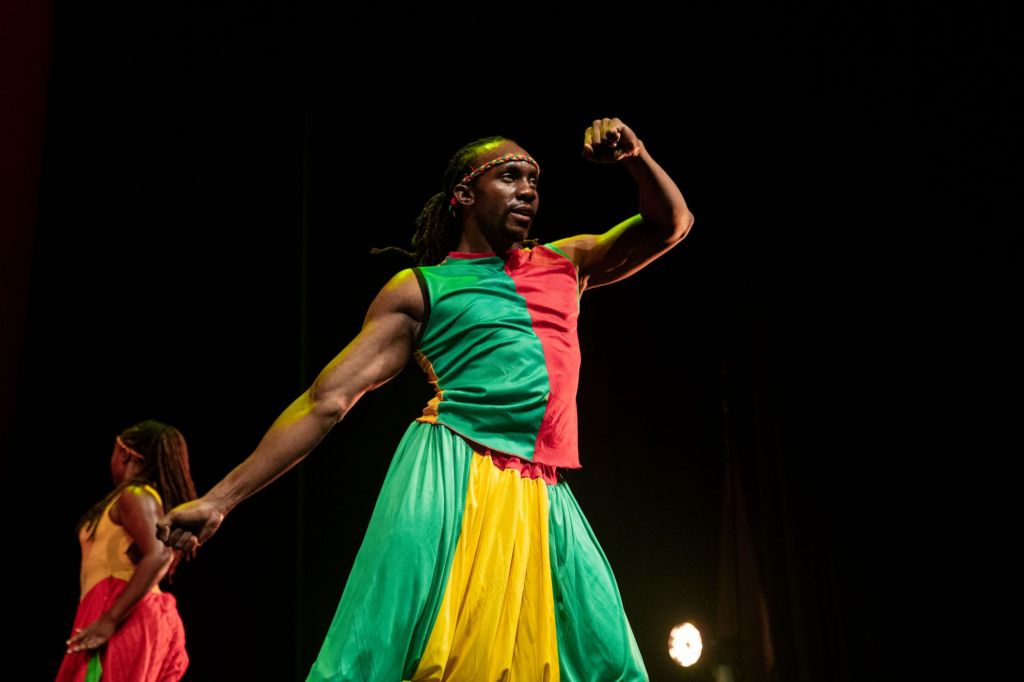
Shame on you, John!

In short, this song shows me how terribly under-researched English-speaking Caribbean folk songs are, and that the Caribbean as an idea extends beyond small national borders, even if it takes the scoundrel John Boulay to show us.

Bajan musical stories in November – Ragga Ragga


โ€œRagga Raggaโ€ is a song written by Red Plastic Bag and released in 1993. Featuring Mac Fingall and produced by Nicholas Brancker, this parody of dancehall turned into a massive hit and changed Red Plastic Bagโ€™s life. ๐Ÿ’ฅ It also went on to have a whole life of its own in Colombia and Central America. ๐ŸŒŽ๐Ÿ”ฅ

Here is a performance from 1994, Congaline.

En Espaรฑol

โœจ Mes de noviembre โ€“ educaciรณn musical bajana ๐ŸŽถ๐Ÿ‡ง๐Ÿ‡ง

โ€œRagga Raggaโ€ es una canciรณn escrita por Red Plastic Bag y lanzada en 1993. Con la participaciรณn de Mac Fingall y producida por Nicholas Brancker, esta parodia del dancehall se convirtiรณ en un gran รฉxito y cambiรณ la vida de Red Plastic Bag. ๐Ÿ’ฅ Tambiรฉn tuvo una vida propia en Colombia y Centroamรฉrica. ๐ŸŒŽ๐Ÿ”ฅ

Aquรญ hay un concierto de 1994 de Congaline.

Carifesta XV – The final days

It is not often that Barbados gets to speak to the British Virgin Islands Islands on a cultural level.

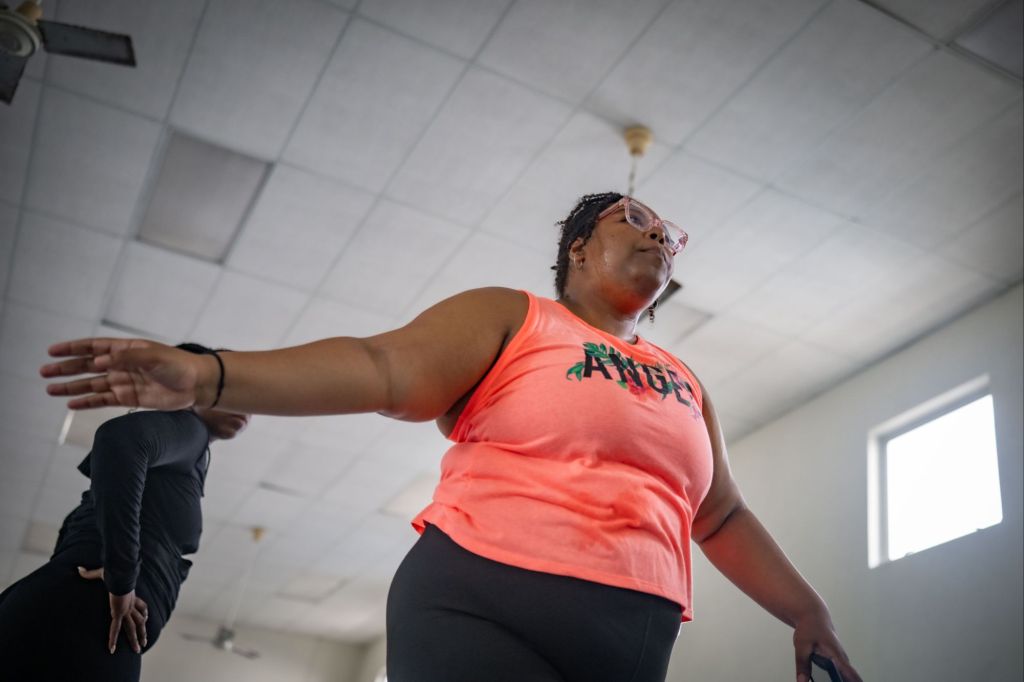
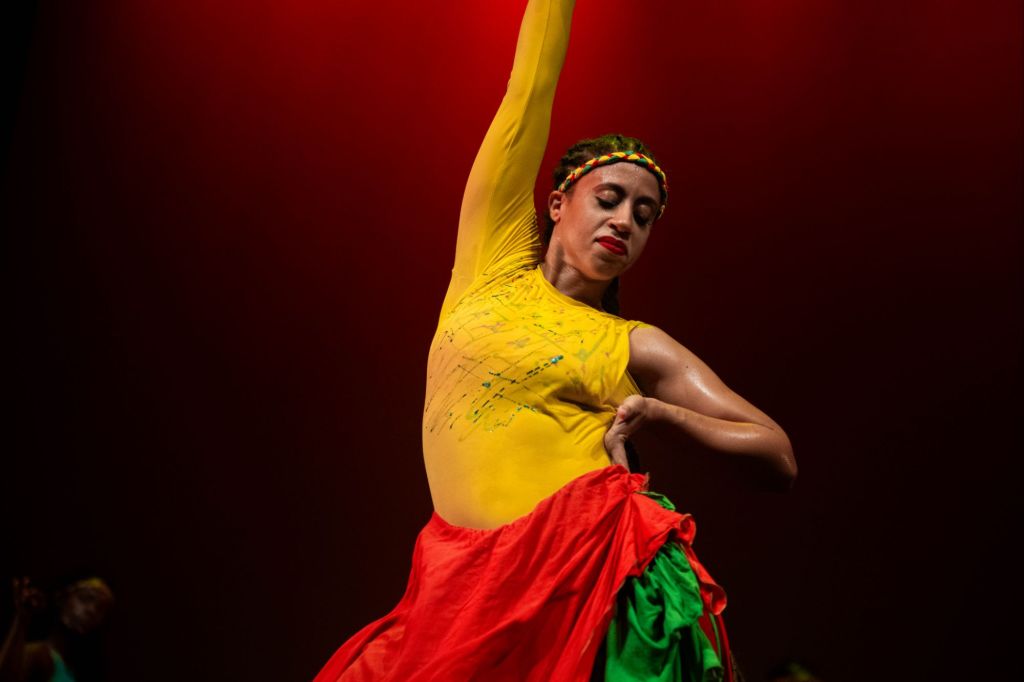
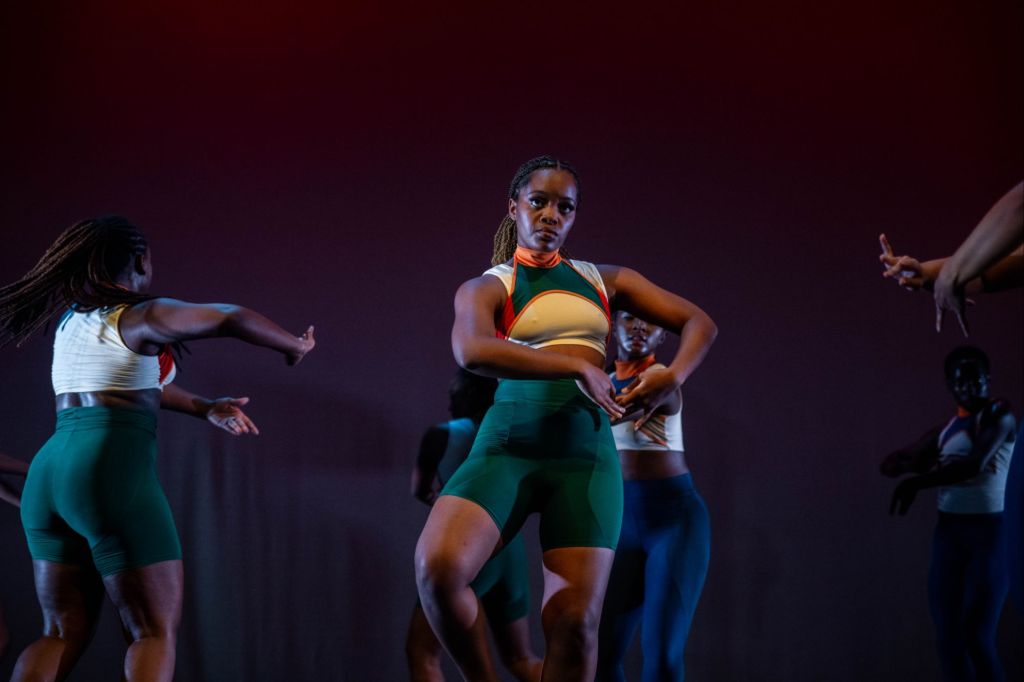
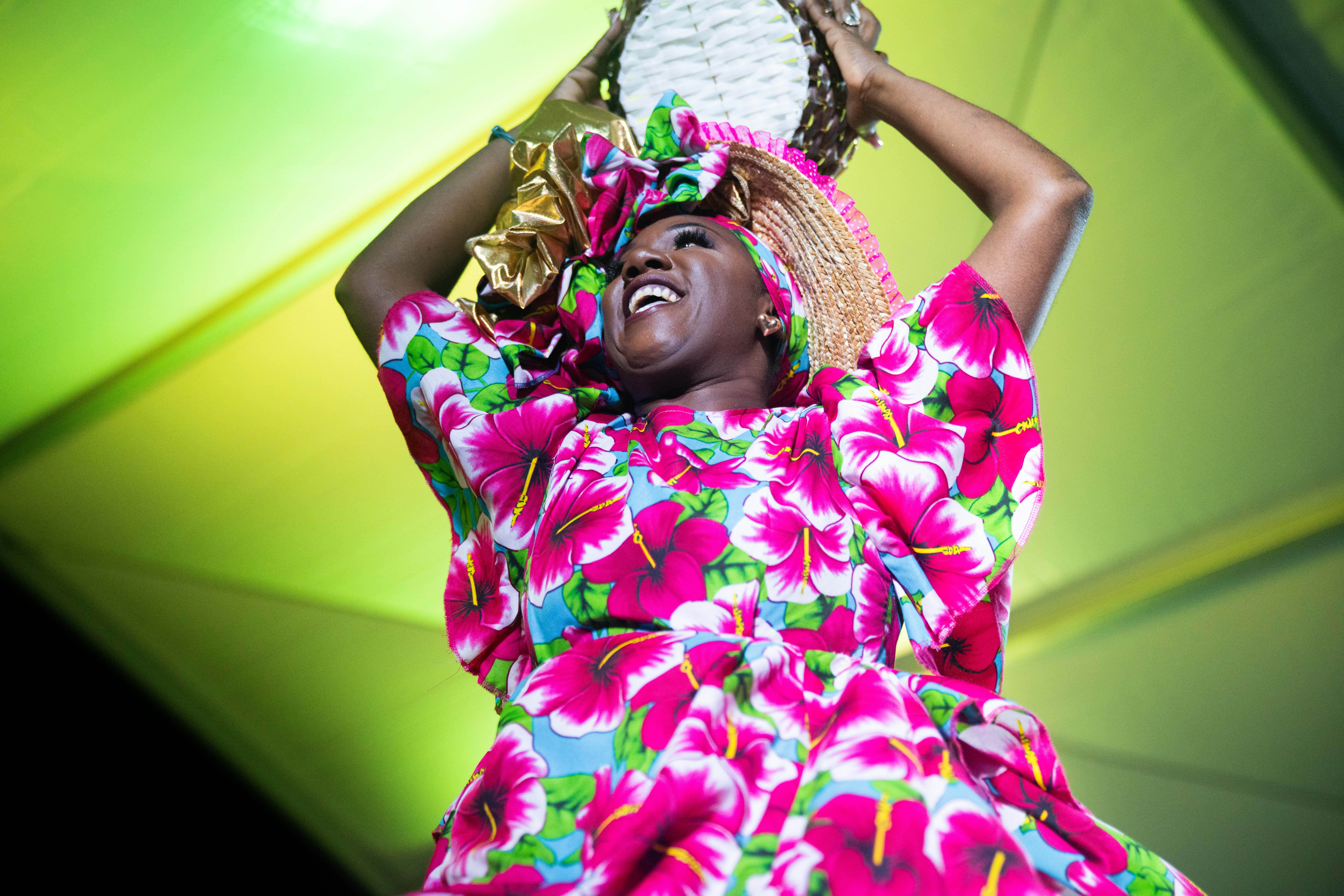
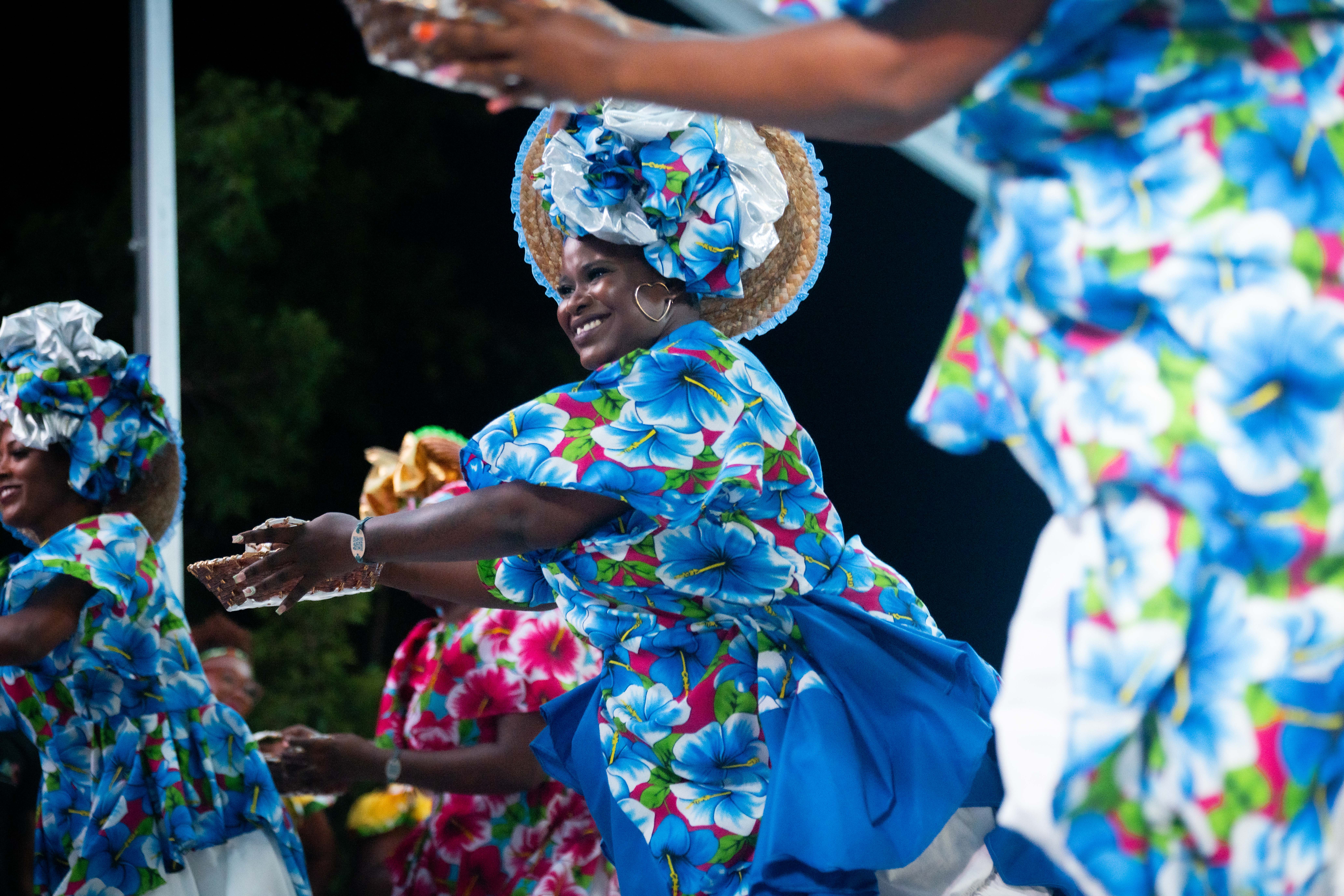
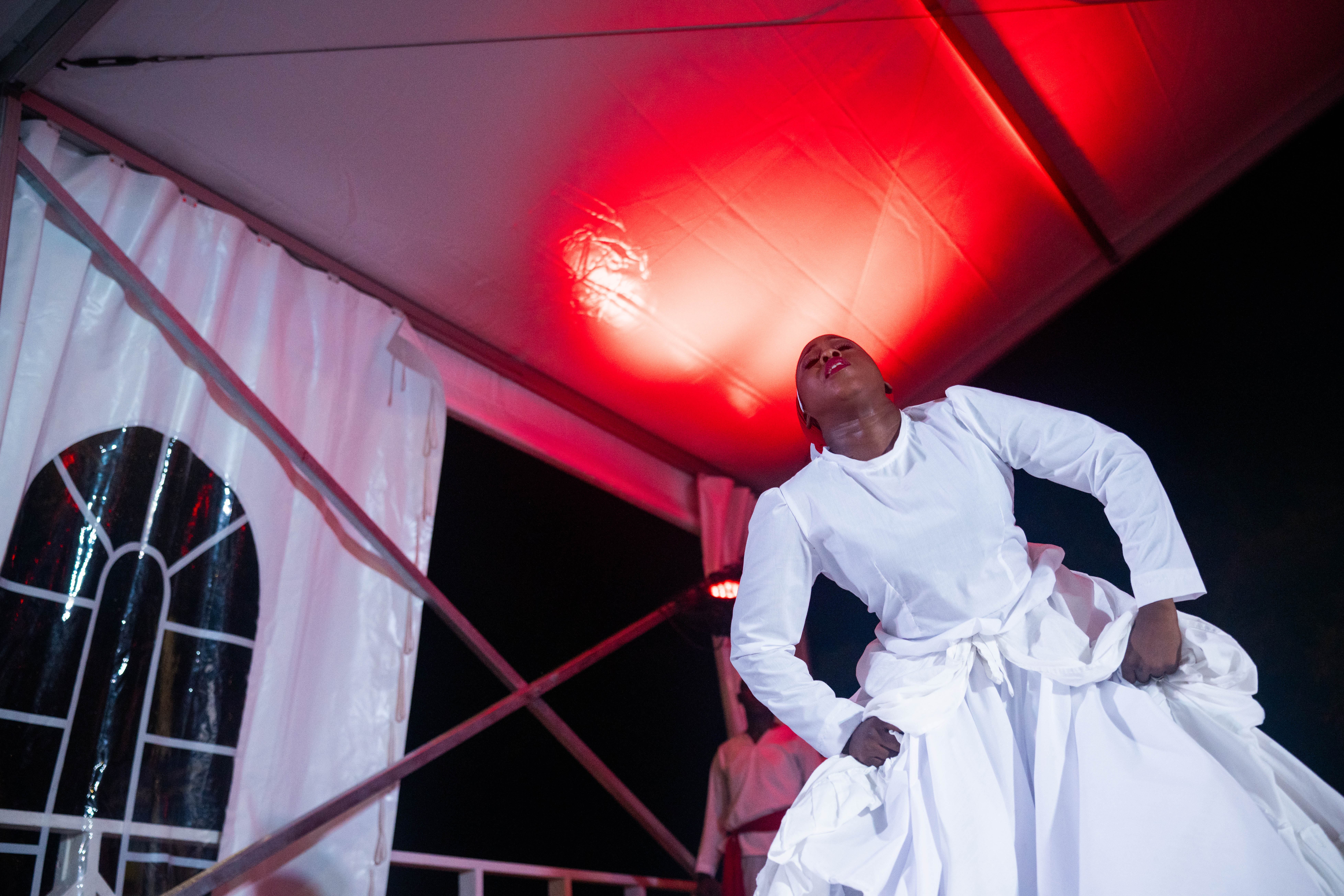
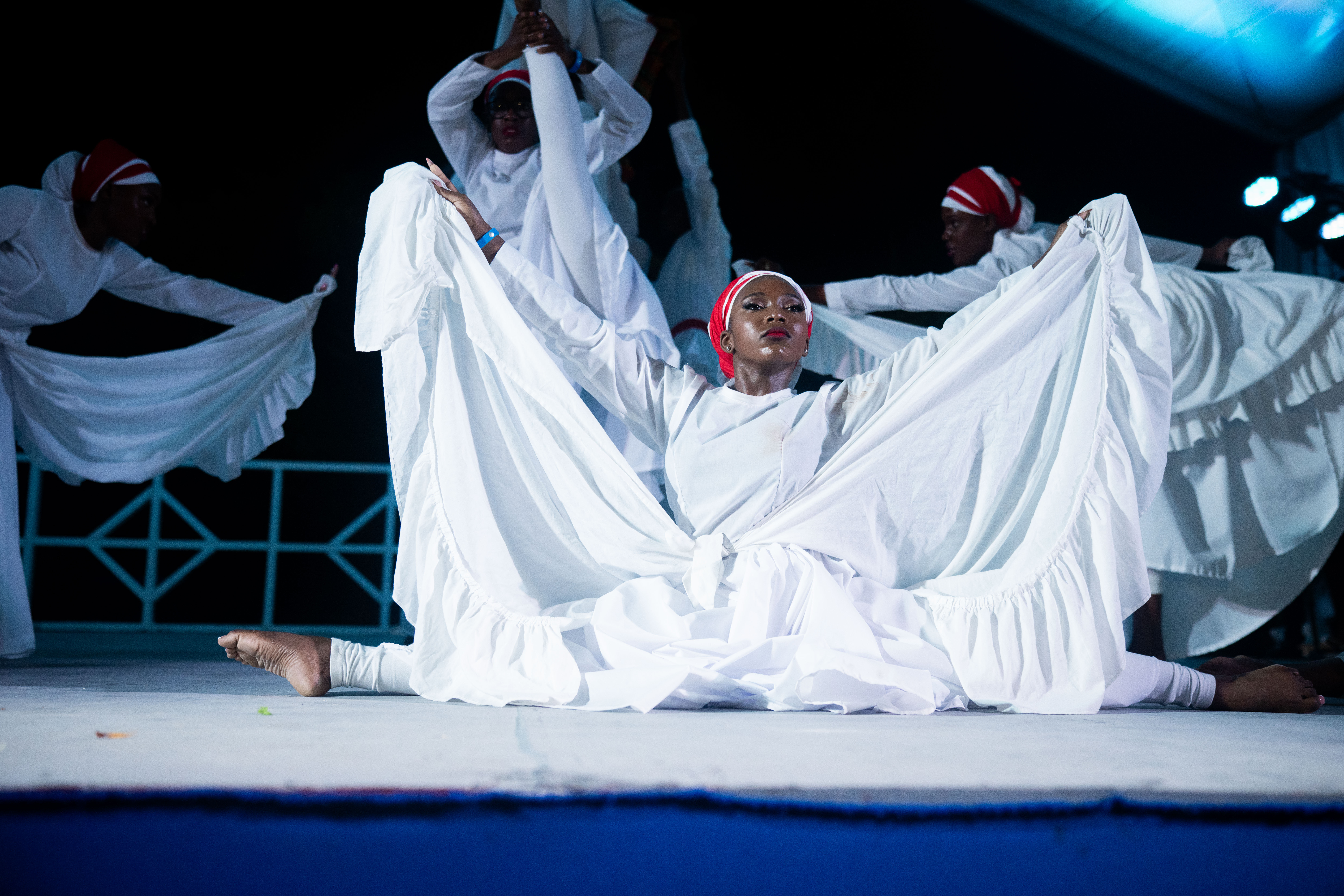
Here are some photos from a Jazz workshop at the Errol Barrow Centre for Creative Imagination, where the two territories had that dialogue.

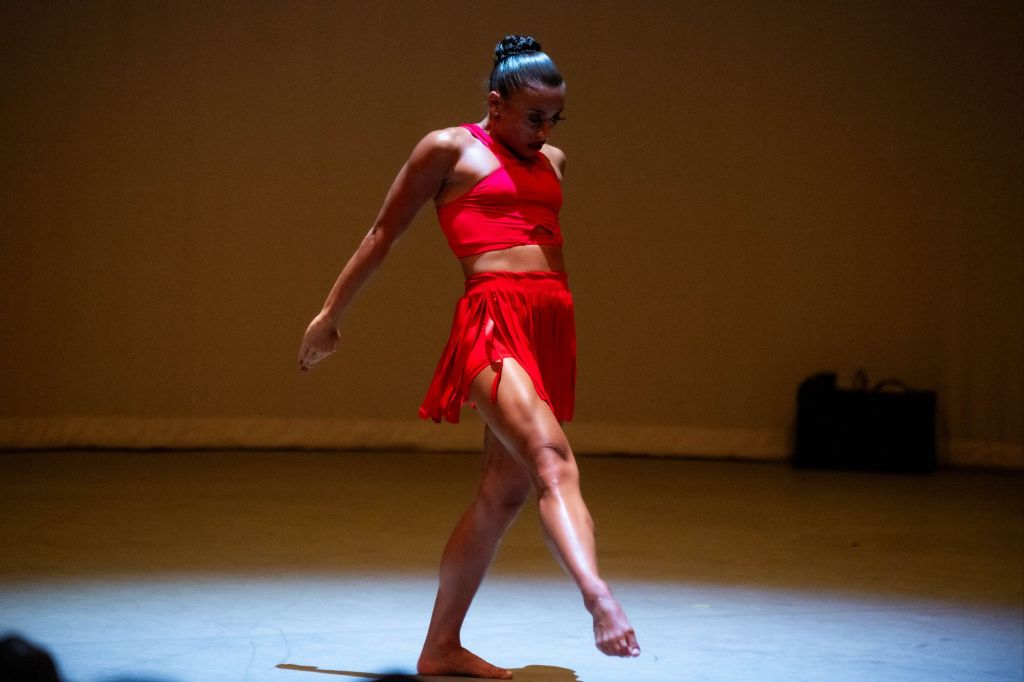
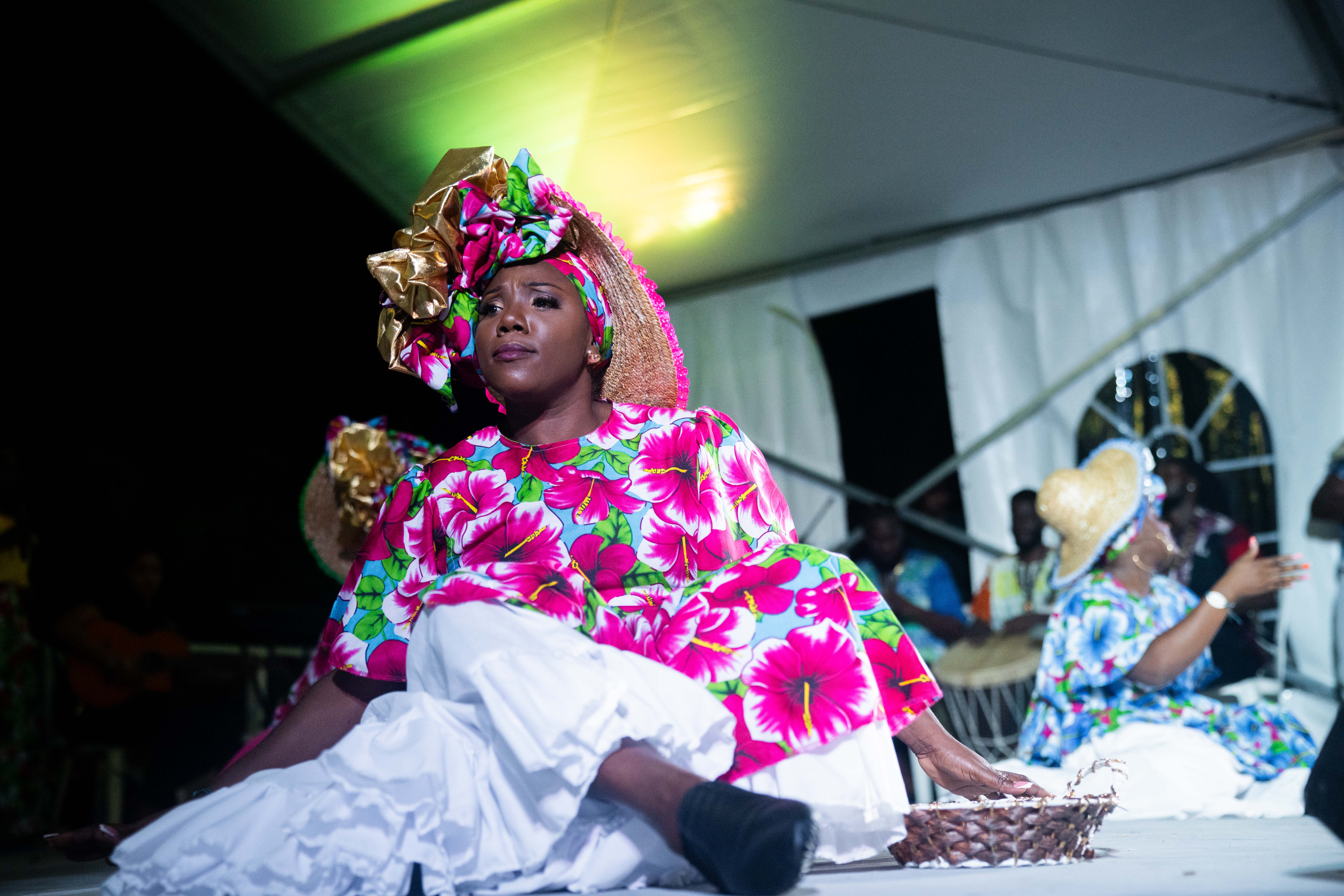
They were joined by other dancers from the region.

This is what Carifesta XV Is about.

Carifesta XV Day#3

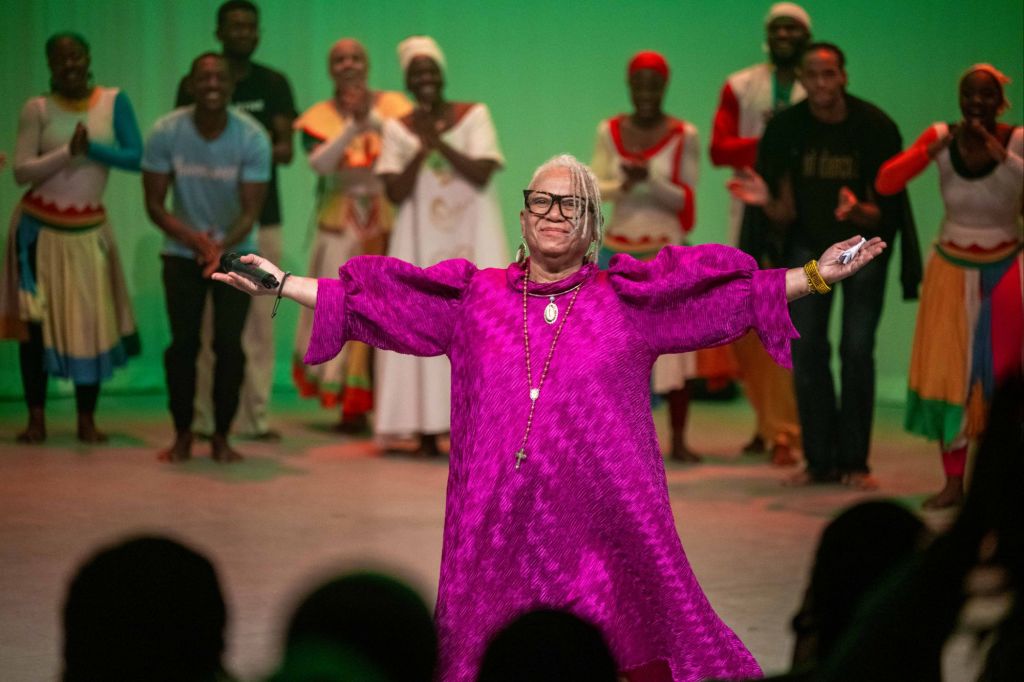
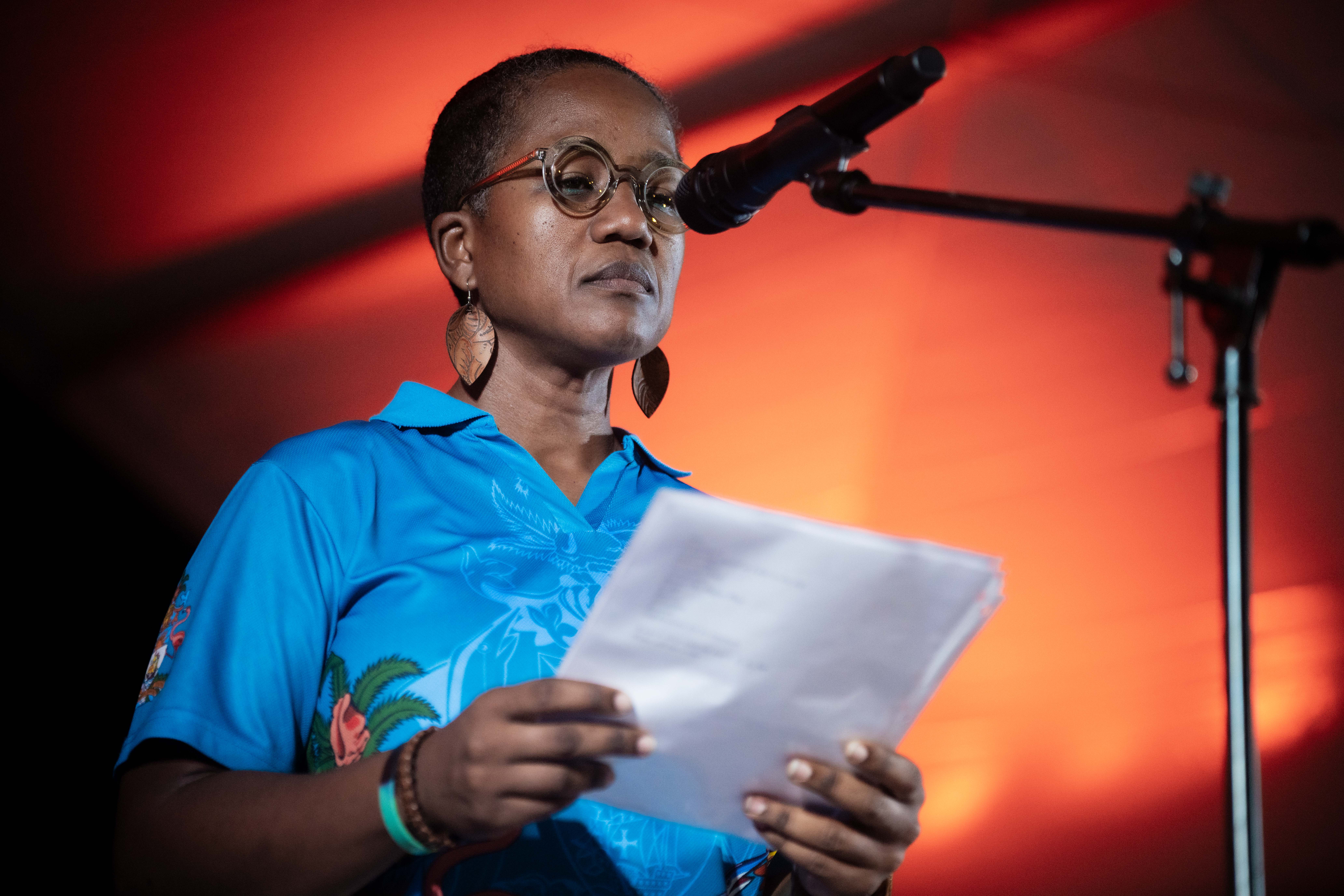
Sunday, the 24th of August was Night of the Icons at EBCCI.

This event saw a number of Caribbean cultural giants honoured.

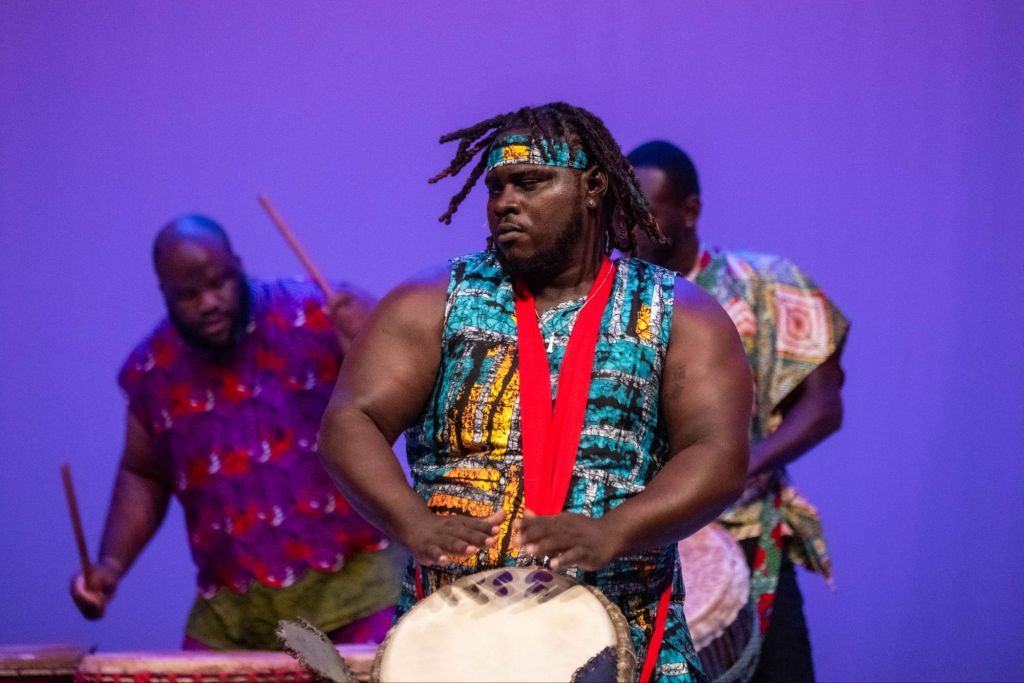
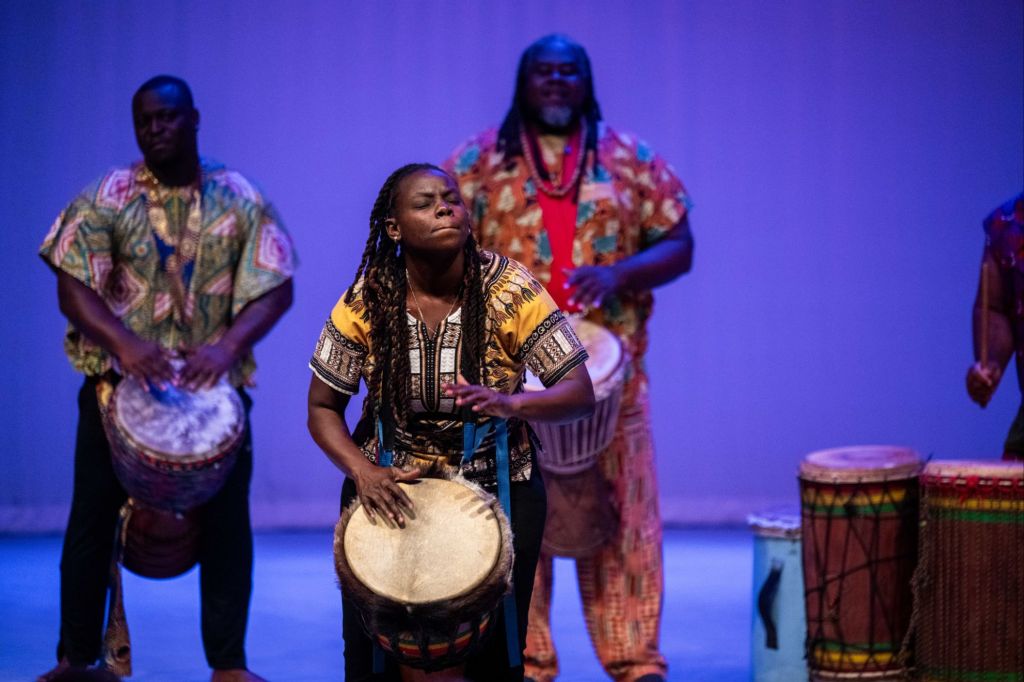
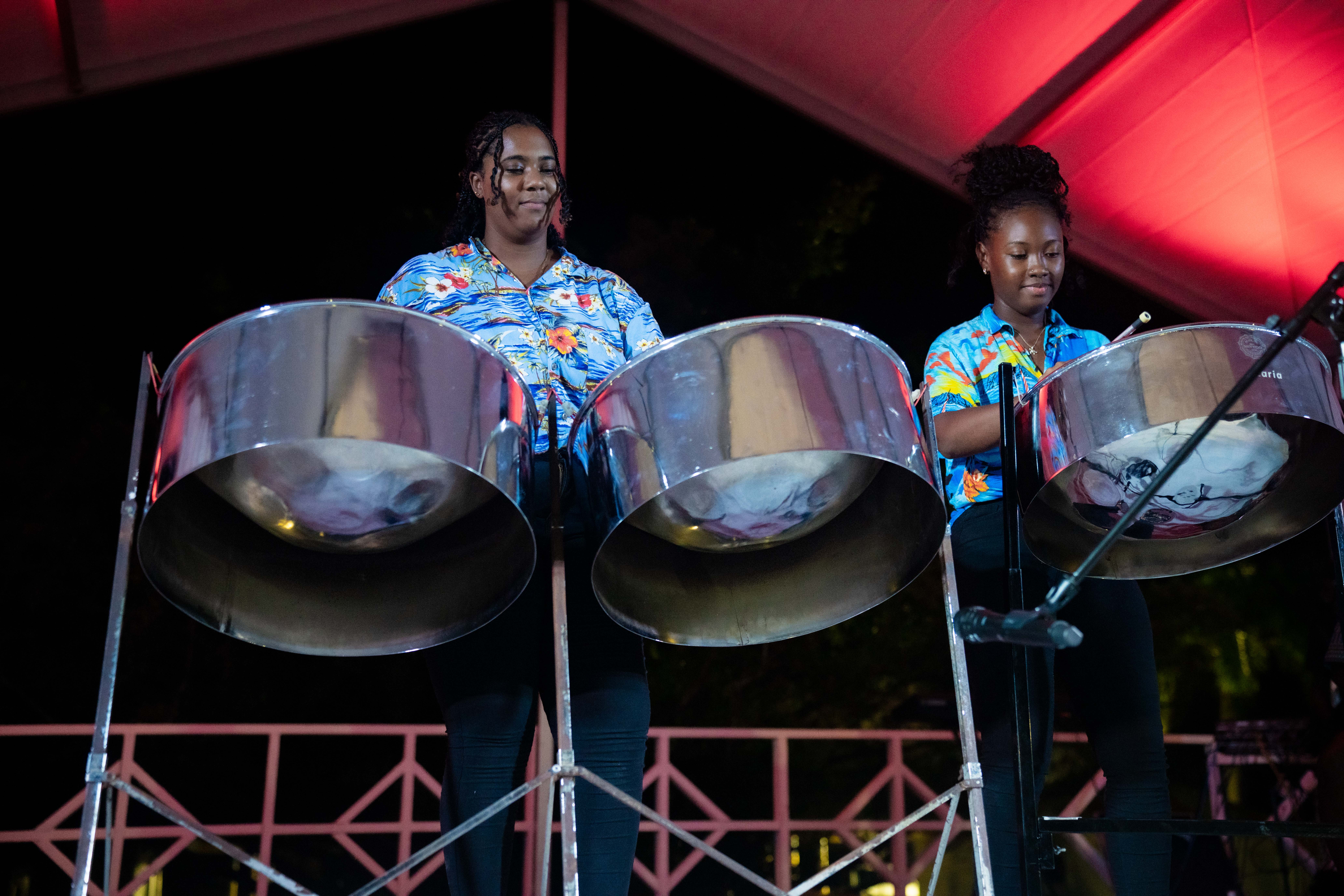
Here are a few pics from the night.

๐Ÿ‡ฏ๐Ÿ‡ฒ๐Ÿ‡ง๐Ÿ‡ง๐Ÿ‡จ๐Ÿ‡บ๐Ÿ‡ฌ๐Ÿ‡พ

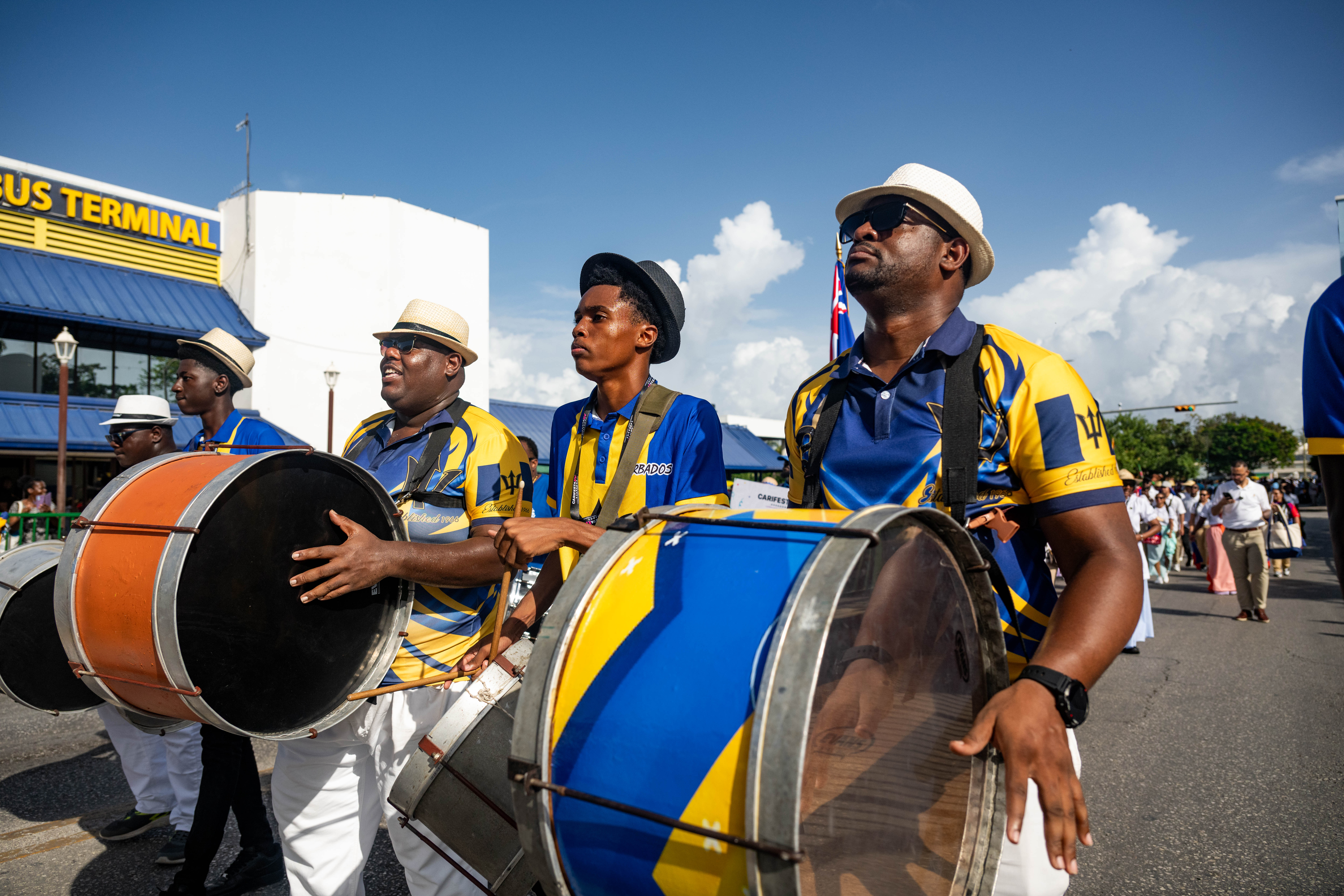
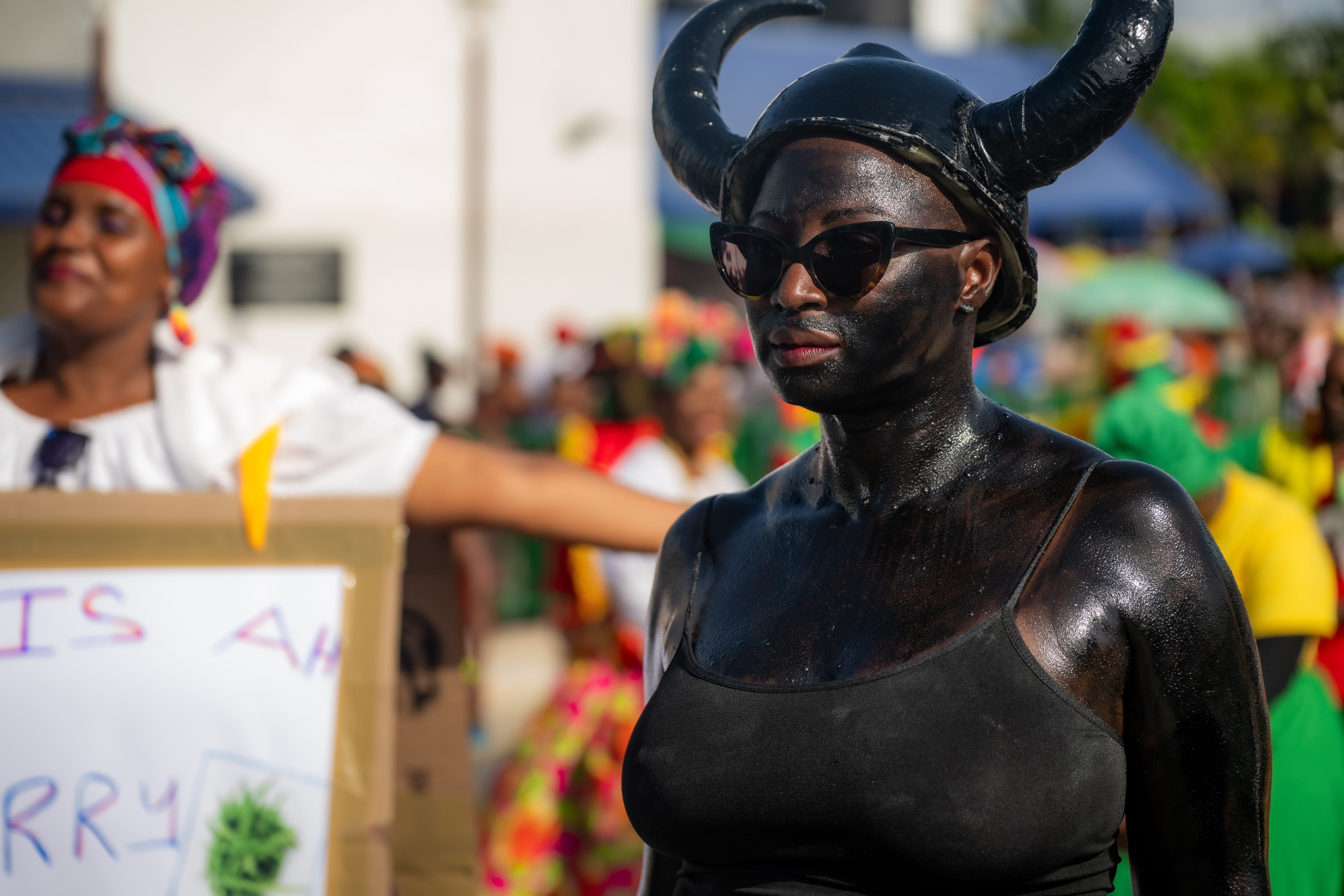
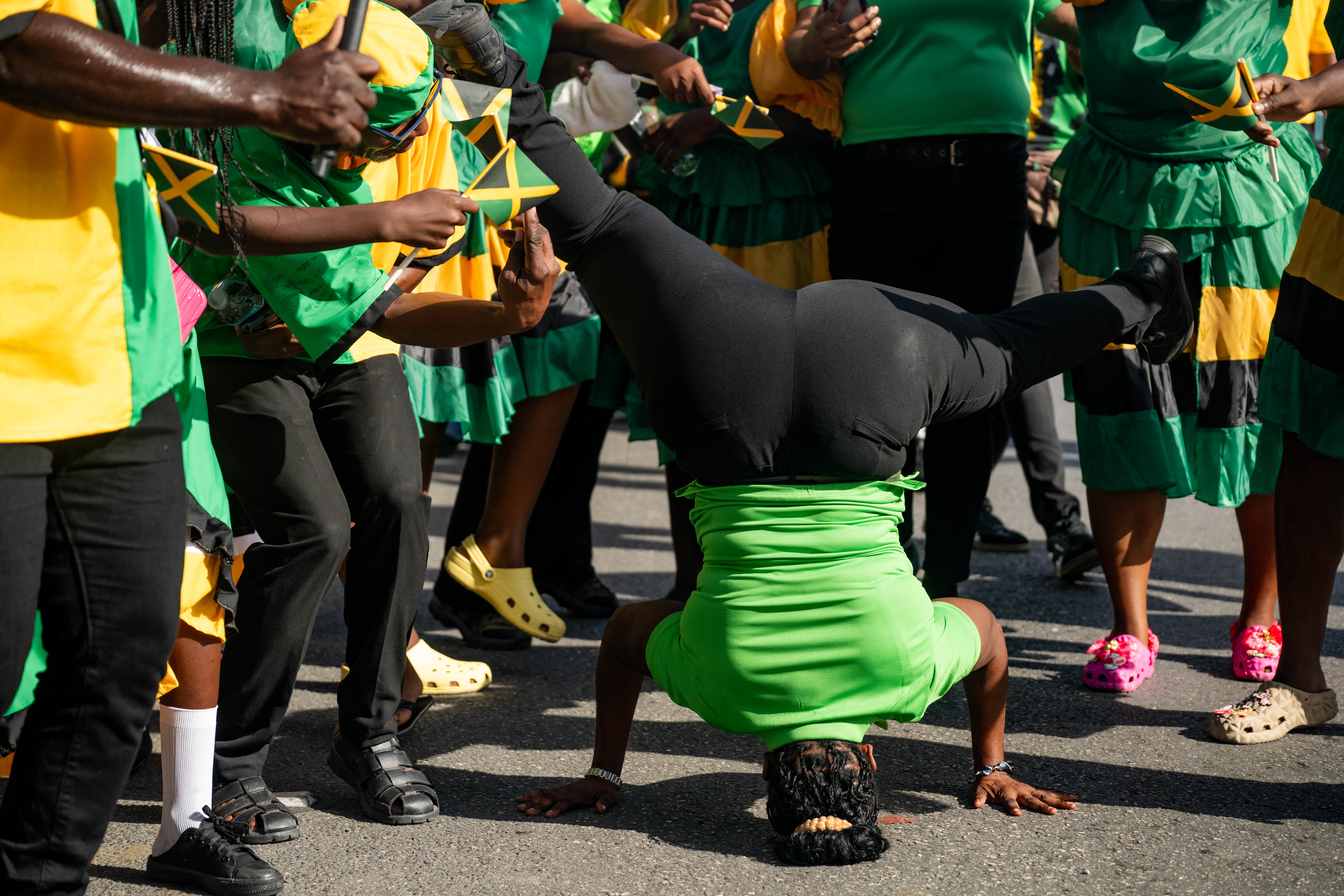
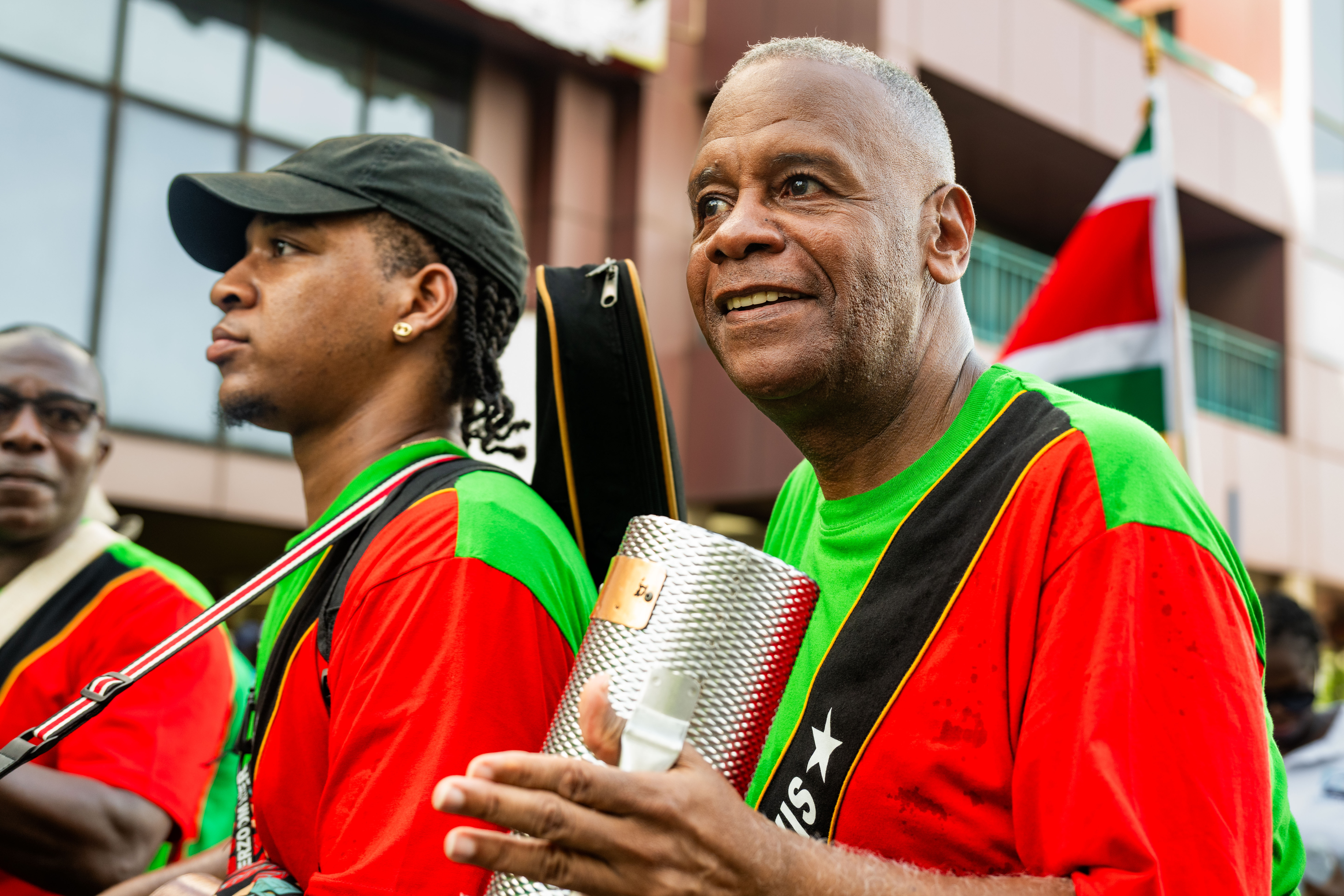
Carifesta XV

Carifesta is in Barbados, returning after 8 years.

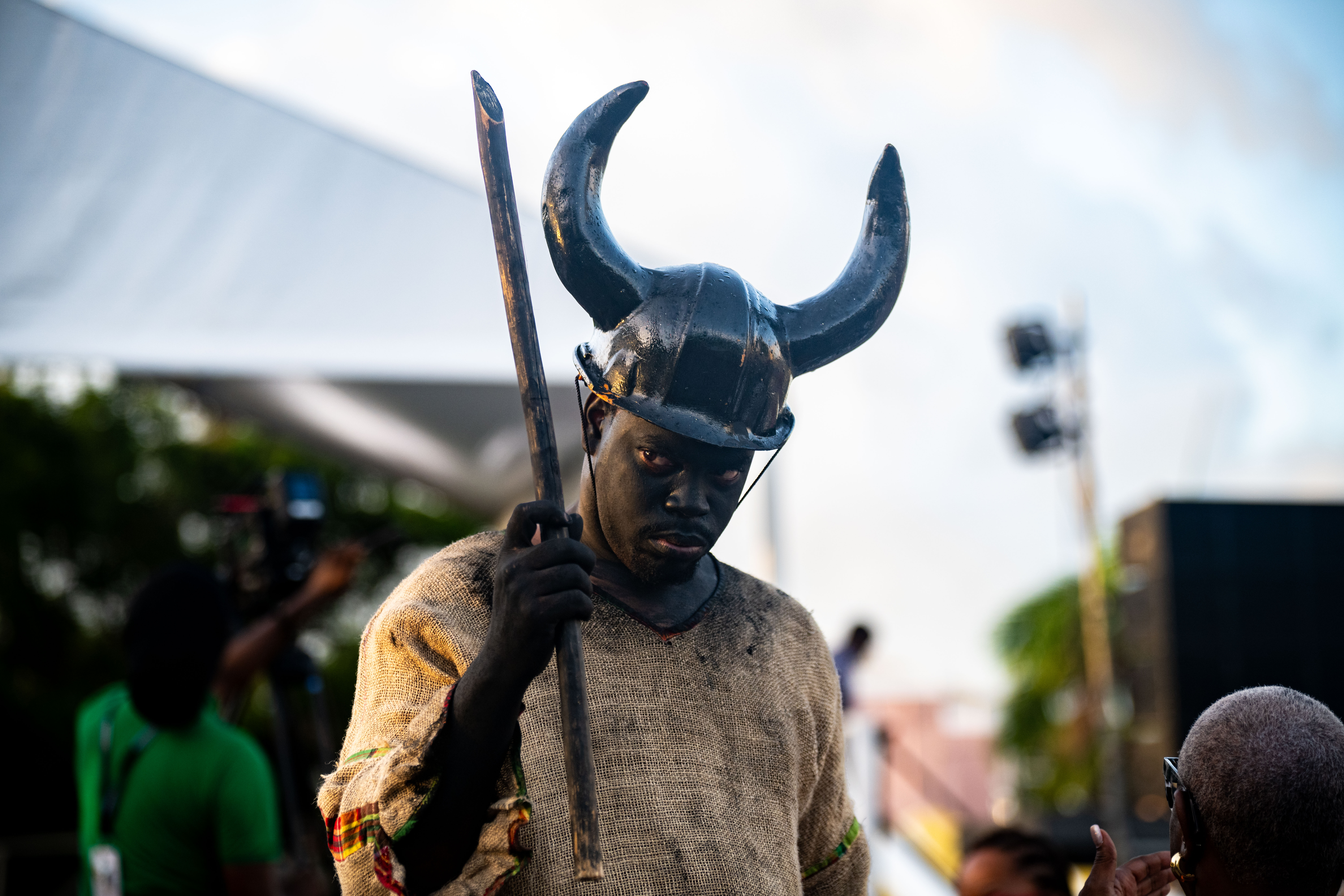
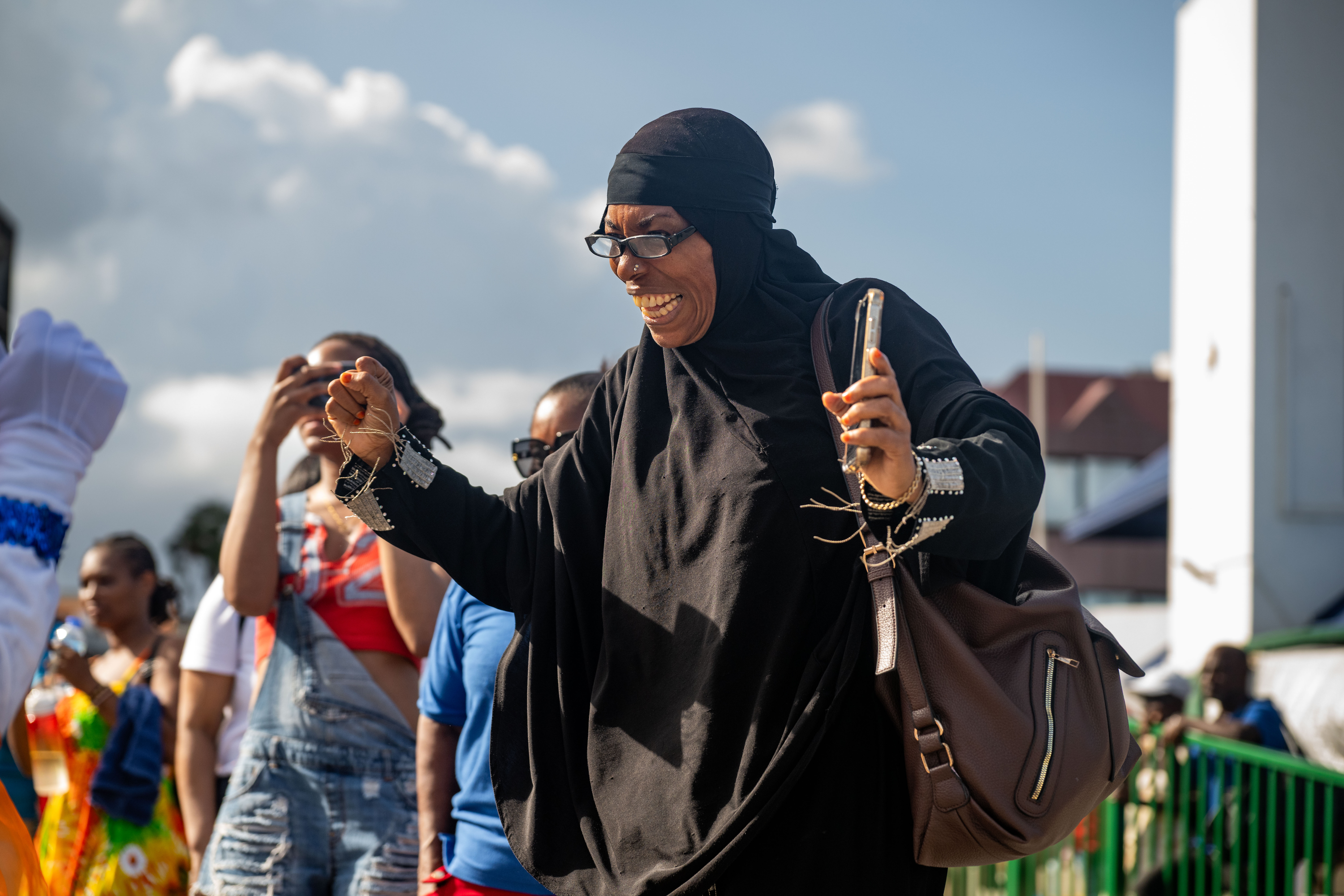
As I continue to explore another aspect of art as part of the media team, here are some of my photos from this year’s parade.

If you are in Barbados, COME OUT!

There is a lot going on!

Happy New Year

Today has been a busy year one where I promised more blogging but instead was between the Handel’s Caribbean Messiah and the BFA and BA programs.

Well for those that pass through here, I want to wish you a happy new year from my Cuban as well as Barbadian Handel’s Caribbean Messiah teams.

Happy New Year everyone.