
Carifesta is in Barbados, returning after 8 years.
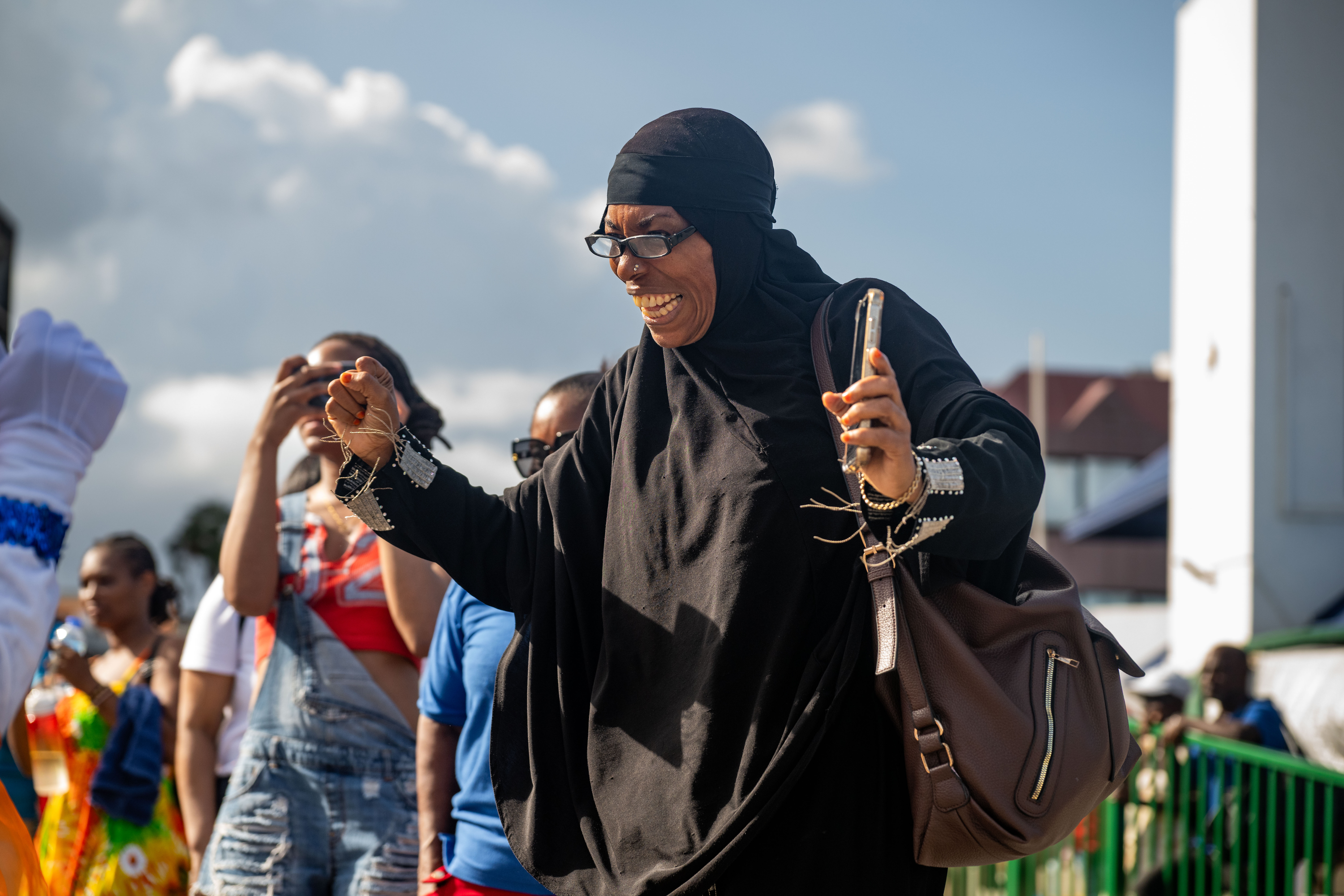
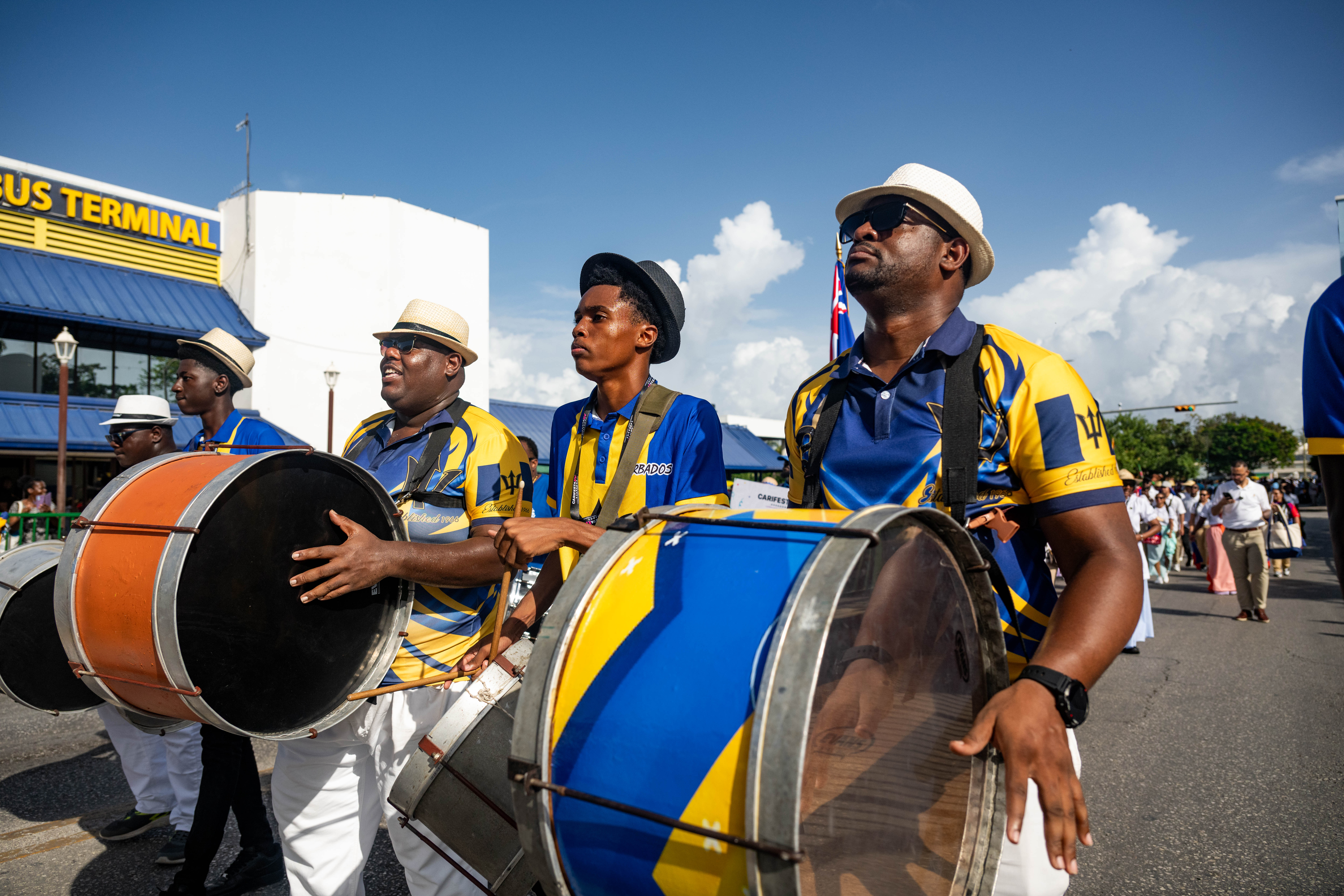
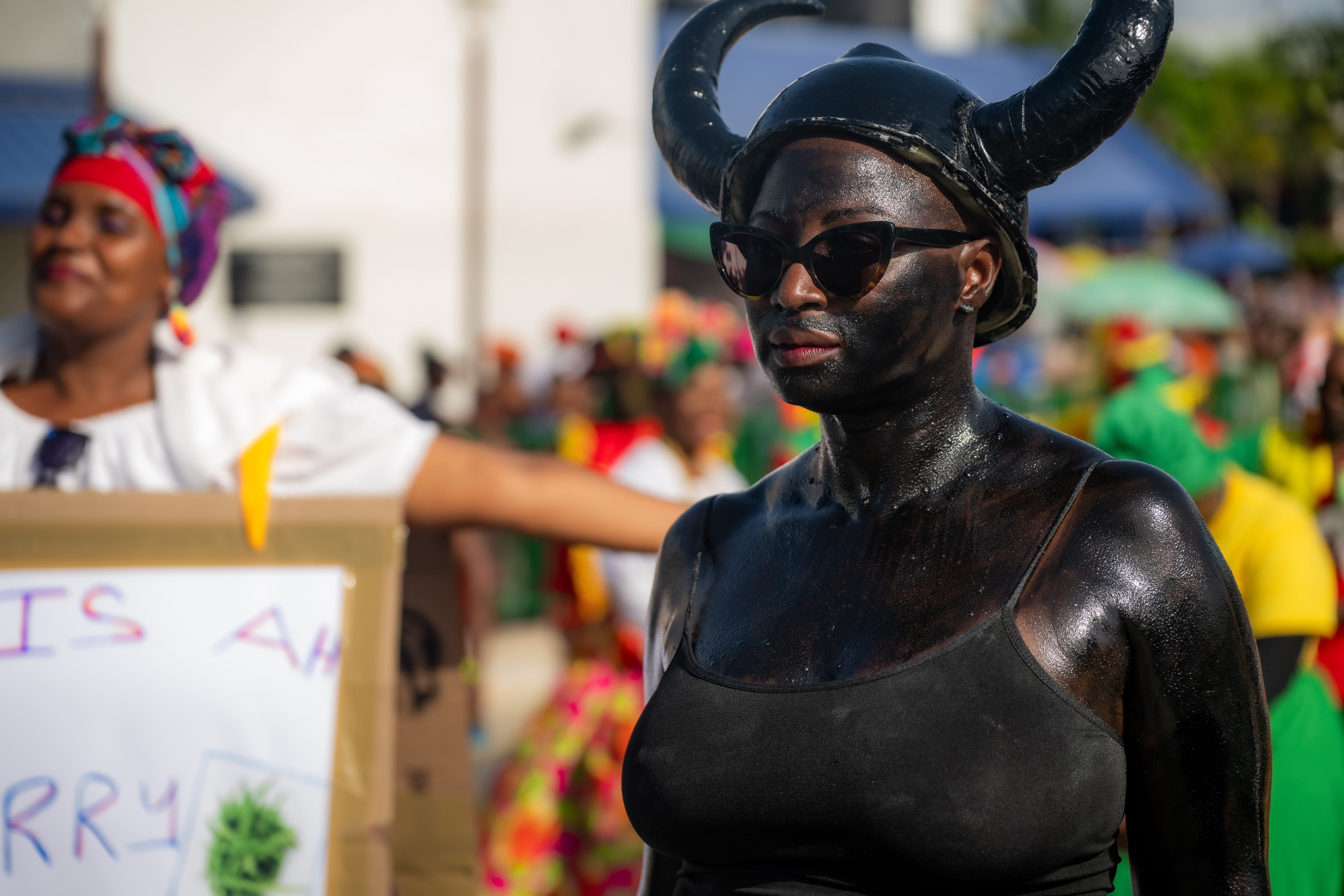
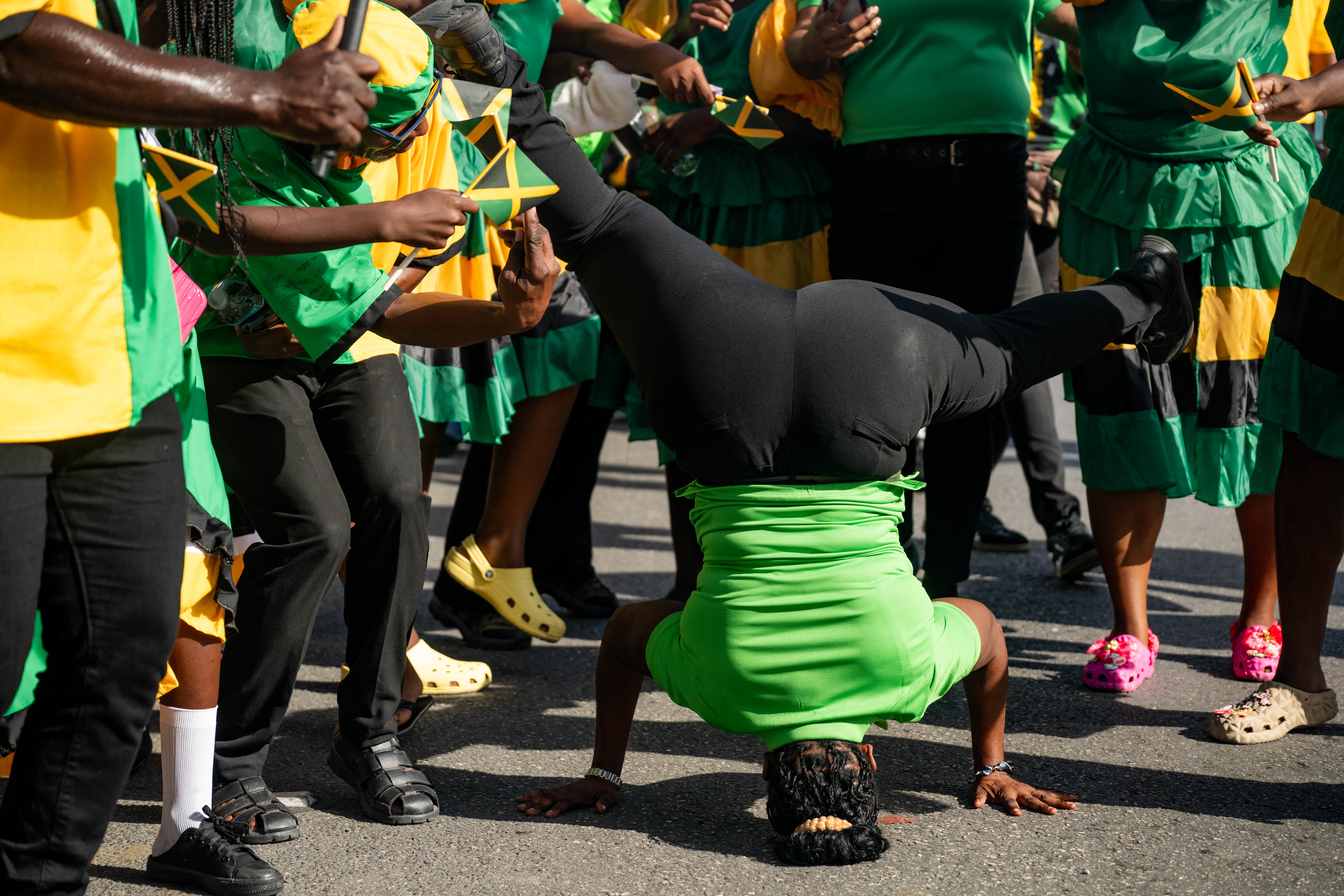
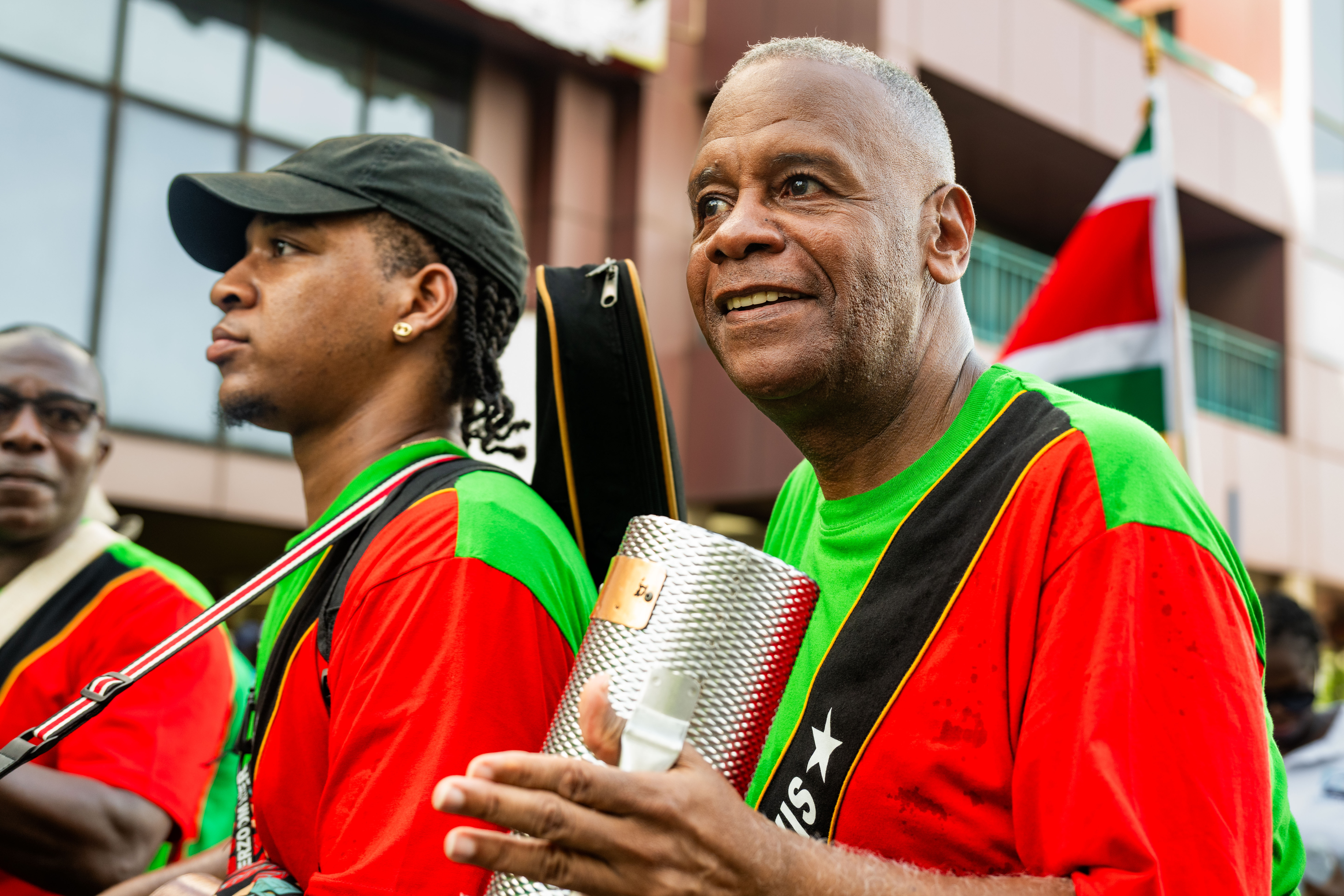
As I continue to explore another aspect of art as part of the media team, here are some of my photos from this year’s parade.
If you are in Barbados, COME OUT!
There is a lot going on!









Carifesta is in Barbados, returning after 8 years.
As I continue to explore another aspect of art as part of the media team, here are some of my photos from this year’s parade.
If you are in Barbados, COME OUT!
There is a lot going on!
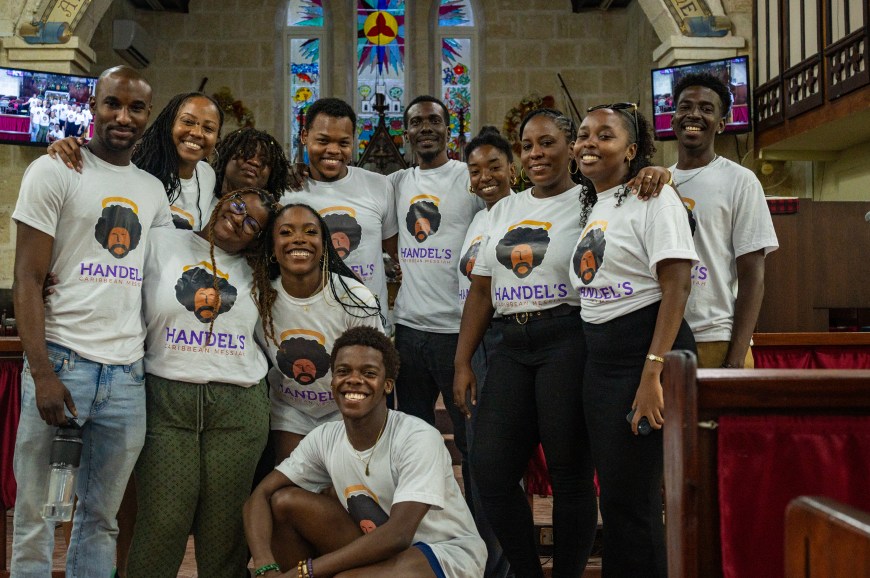
Today has been a busy year one where I promised more blogging but instead was between the Handel’s Caribbean Messiah and the BFA and BA programs.
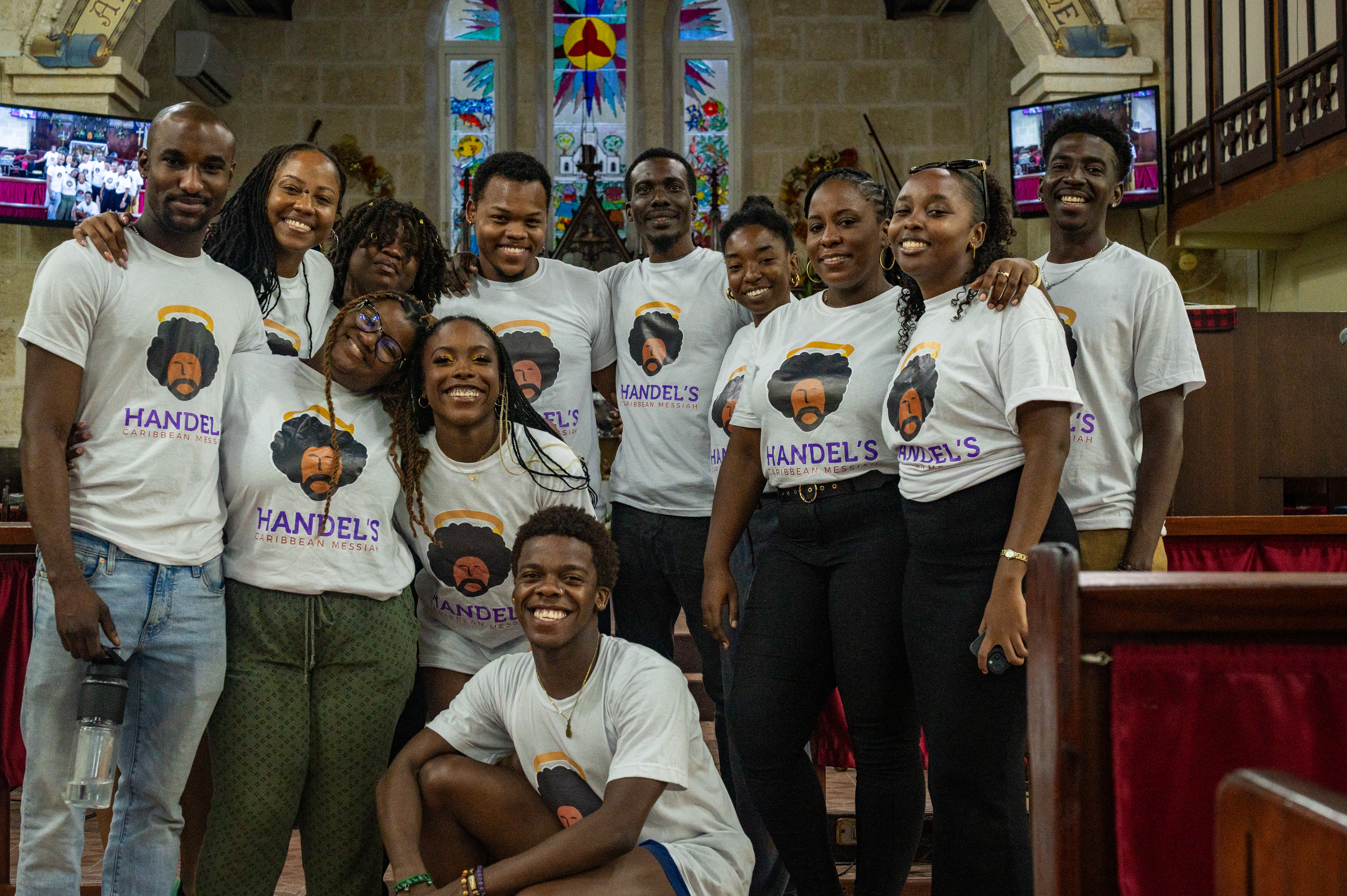
Well for those that pass through here, I want to wish you a happy new year from my Cuban as well as Barbadian Handel’s Caribbean Messiah teams.
Happy New Year everyone.


Welcome back to my series of Crop Over musical periods. The last period, Ancient Crop Over Music, looked at the music that was part of the festival after its re-introduction in 1974. This next stage is one of the most important ones in the Barbadian music period, and for many, it is seen as the Golden Age.
The Blue Ice Years
The Blue Ice Years is the period where Eddy Grant, from his Blue Wave Studio in St. Philip and Ice Records, his label, dominated Crop Over. He was responsible for the songs that bossed the Tune of the Crop, which are the songs most frequently played at Kadooment, which is the final day of Crop Over.
Boots – The Mighty Gabby
This 1983 release from the Mighty Gabby was massive, not only in Barbados for Crop Over but throughout the region. In fact, it did the unthinkable for a Barbadian release then and became very popular in Trinidad. Boots is also typical of the Grant production approach of that time, with back-beat drums, minimal use of horns, and comparatively sparse bass lines. This song did not win the Tune of the Crop for that year, but it remains one of the classic Crop Over songs of all time.
Sousy – Director
Produced by Eddy Grant and arranged by trumpeter Ricky Brathwaite, this song was one very popular in 1985. The rhythms were more typical of other soca offerings in the Caribbean at the time, and it didn’t have the Grant production stamp of the period, however, the durability (it was remade this year by Barry Chandler) and the impact of this work can not be denied.
Mr. T, Stinging Bees, More Grynner- Grynner
When it comes to popular works from the Blue-Ice Period, Grynner’s songs are definitely the ones to be noted. Grynner was the undisputed Tune of the Crop artist of the 80s, and these three songs won from 1983 to 1985. All of them bore the Eddy Grant style, with the back-beat rhythms from American music and/or the bass and harmonic minimalism.
Summary
For me, the Blue-Ice Period is the most nostalgic era of Crop Over for older Barbadians. It was not only defined by these iconic sounds and songs, but also marked a significant shift in the festival’s status. This was a time when the tent system was thriving, and Crop Over transitioned from the fringes to being a truly national festival.
So, this year marks the 50th anniversary of Crop Over, and what do we academic types do with art that has been around a long time?
We analyse it and classify it.
Like other classification systems, there is no one cut-off point; instead, each one flows into the other.
Let me declare my hand now; these periods will deal with areas of creativity within Crop Over, which, in the case of Barbados, are mostly within the soca area (which really starts to come in the 2nd Period)
1st-period Ancient Crop Over Music – 1974-1982
Music of the earliest Crop Over falls under here. The genre of the period is dominated by calypso. In short, this time is mainly based on Barbadian singers, musicians, and producers copying the music from Trinidad.
Key songs from this time:
The Mighty Gabby’s Mr. Harding from 1979.
The drum beat and the melodic construction from this song are all within the typical Trinidadian party calypsos of the 1970s. The instrumentation with the prominence use of “brass” (trumpets and saxes) also makes this a direct copy of what Trinidadian arrangers were doing then.
A similar work from this “Ancient Crop Over Music” time is Viper’s Ting Tong.
Not to sound like a stuck record, but this song, too, displays the characteristics of the Gabby song I posted before. I also want to highlight how melody and harmony work from this Ancient Crop Over Period. There is harmonic movement, and the melodies are less repetitive, especially in the choruses.
This song, Mr Harding from the young artist Red Plastic Bag, comes from the Pic-O-De Crop Competition. This competition is where the heavier lyrical content songs come to be judged in front of a panel, with a winner crowned the calypso monarch. The tempo and the extensive, and I mean EXTENSIVE, verses were typical of these songs, called social commentaries, from the Ancient Crop Over Music period.
The final song I want to post from this time is Jack from the Mighty Gabby. This song also entered the Pic-O-De Crop competition in 1982, but it is a far more uptempo song than Mr. Harding. The verses are shorter, and the melody is much more repetitive despite dealing with a social issue. This song marks the end of this period as the next period began to establish an indigenous Barbadian soca sound.
Catch me on the next blog post for part II – The Blue Wave Period.
Bonus Ancient Crop Over Music Song – Romeo’s Brother Fuzzy
Hello,
Here is a video I created for the 1688 Dingolay channel.
It looks at the ways Africa has contributed to the music of the Caribbean and the Americas.
Enjoy.
Crop Over is finished for 2022.
Here is my personal highlight:
the Barbados National Youth Steel Orchestra, led by Lowrey Worrell doing my arrangement of an Alison Hinds medley sung by Ambassador Alison Hinds herself.
Here is to a great Crop Over 2023.
There are few sub-genres in Soca at Crop Over that are as divisive as Bashment Soca (both 1st and 2nd comings see my article).
To refresh, Bashment Soca (the I and the II) makes heavy use of Bajan dialect with speech as melody.
Most with traditional musical training usually dismiss it as sonic drivel sighting its harmonic simplicity and melodic monotony.
But are they looking for music in the right places?
Let’s take a look at “Go Stabby” to try and answer that question.
“Go Stabby” is a typical Bashment Soca song.
Here is it below.
To my surprise, “Go Stabby” was popular outside of Barbados despite Stabby being unintelligible to most non-Barbadians. Why may you ask? It is because “Go Stabby” connected on a different musical level to other pop and carnival soca songs; it is was all about the RHYTHM!
Believe it or not “Go Stabby” is quite interesting rhythmically. “Go Stabby” has something called rhythmic tension and release with the “Go Stabby” repeated line, the tension and the “Stabbyyyyy,” the release.
Net result?
INTEREST.
It also helps that these two parts of the song are the ones most clearly understood by non-Bajan speakers.
In short, there is a reason for everything under the sun, and though some might claim the reason for “Go Stabby’s” popularity was because of duped and ignorant audiences, that’s not the case.
One has to look in the right places.
* Side note, I performed this song as part of the backing band at Bacchanal Calypso Tent in 2008. The initial reaction was tremendous, but in performance, Stabby didn’t realise that the verses were not what people wanted to hear, and he chose to perform it like the recording. Of course, the verses fell flat, meaning the live performance was lukewarm at best. Which brings us to a future blog, performance of Soca, stay tuned.

I am very proud to announce that Handel’s Caribbean Messiah has been selected for the Handel-Festspiele in Halle Germany for 2021.
The Handel-Festspiele is an annual festival celebrating Handel’s music in his birthplace by local German and international acts.
I am incredibly moved by this selection as we were chosen based on my re-imagining, orchestrations and in some cases compositions, with the performances executed by a 100% Barbadian cast.
The fact that this was done by a panel of Handel experts makes the achievement even more rewarding. Also, the fact that the negotiations began through my completion of the Caribbean Export process, which involved some sacrifice, made me more reassured in my music business decisions.
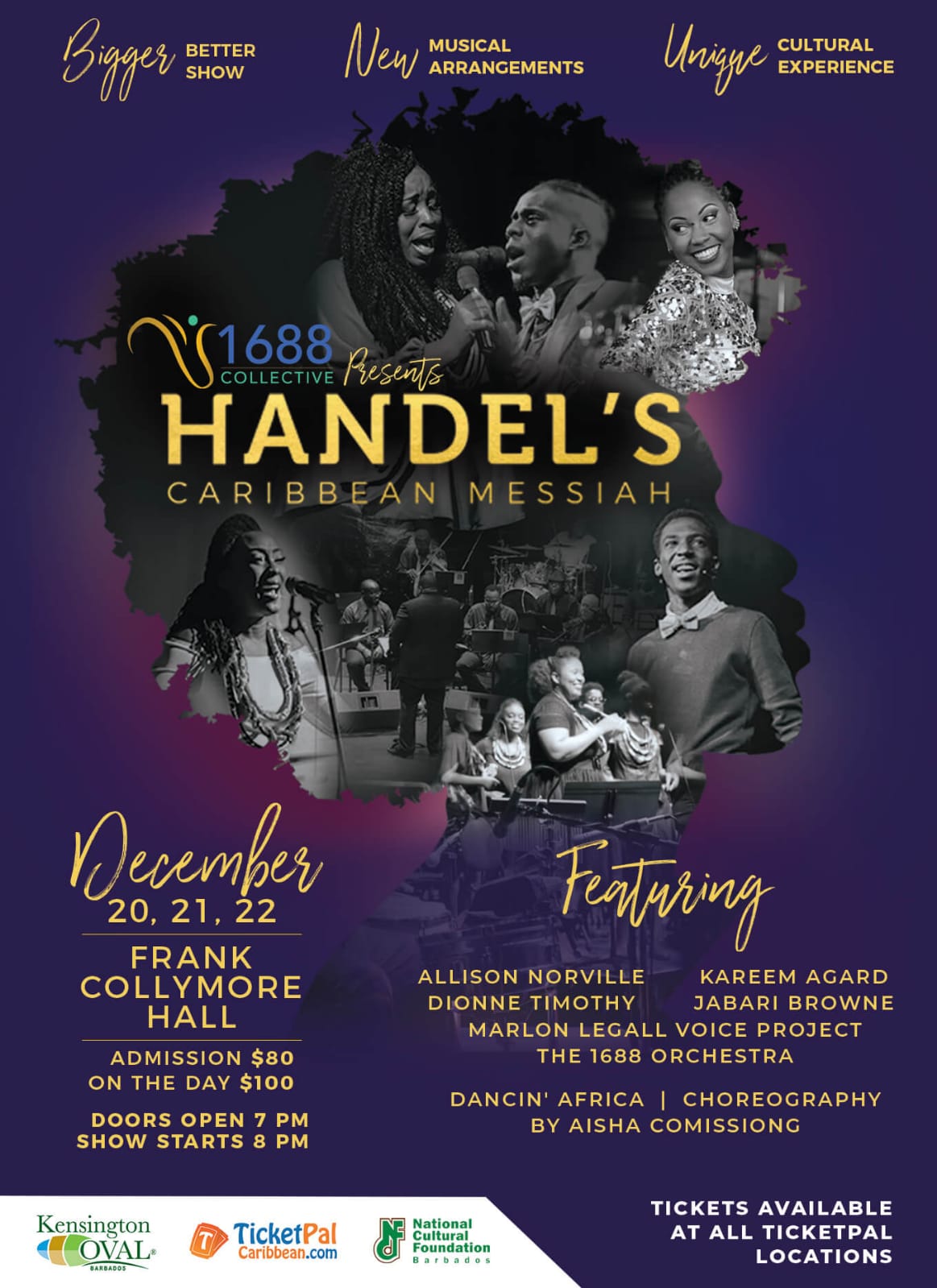
Handel’s Caribbean Messiah is one of the only locally created indigenous works that brings the strands of Caribbean culture together and even though we might not make the last financial hurdle to reach Halle, the fact that it has been looked at as having international quality by unbiased experts shows how we should rely on our own confidence as Caribbean cultural practitioners in what we do.
I encourage all who are in Barbados this week, December 20-22nd, to come out to the Frank Collymore Hall and see this production that will soon be leaving these shores by the 100% Bajan ORIGINAL cast.
Thanks to my team who supported the dream and to Fran Wickham and Ronald Grant whose support allowed for the first staging of the production in 2017. Also to Carol Roberts who was enthusiastic about it when it was only an idea and suggested the use of a Bajan nation language narrator who is now Jabari Prince Browne.
One of the biggest hits for Carnival 2019 is Mr Killa’s Run Wid It.
For those unfamiliar with the style, it is referred to as Jab, a sub-genre of soca which I posted on before. In terms of soca, there are no better musical sub-generes suited to talk about spiritual possession more than Jab because Jab, for all intents and purposes is possession/trance music. It ticks all the boxes. For example:
To see what I mean check the music from Cuban Santeria below:
It is obvious, Jab is meant to induce possession.
The psycho-acoustic explanation for this is that the repeated patterns lead to less distraction which in turn can manipulate the trance-like state. For the more spiritual, these rhythms carry with them certain deities and given the reaction to this song, I think the latter definitely has a point. Check below:
So that my friends a brief look at Jab and its relation to possession music. Whenever this song plays, just be careful, it is meant to take a HOLD of you.
Have a great and musical 2019 everyone.
Here is an artist I recently came across.
Rosalia.
She has successfully managed to pair her traditional culture with American music.
What a great example!
Check her clip below.
 stefanwalcott.com