
JOHN BOULAY – CHARLOTVILLE OR MARTIN’S BAY?

This folk song, John Boulay, is one of the more popular folk songs in Barbados.

I learnt it not from my parents or grandparents, but at primary school from my music teacher, Mr Messiah, and the Bible of folk songs from Barbados, The Folk Songs of Barbados by Marshall, McGeary and Thompson.

However, when I searched for a version of the song I did with the female group, The Tenantry. I came across this. John Boulay, sung by Errol James with the Marionette Chorale. Here it is below:

In the description, it is called a Tobago folk song.

I am really not surprised by this, as songs, even in those days without modern mass media, travelled easily. The journey was made even easier, no doubt by the closeness of Barbados and Tobago. What is interesting, though, is that John Boulay, who is from Martin’s Bay in Barbados, is now from Charlotteville. However, his poor character remains the same.

Shame on you, John!

In short, this song shows me how terribly under-researched English-speaking Caribbean folk songs are, and that the Caribbean as an idea extends beyond small national borders, even if it takes the scoundrel John Boulay to show us.
Bajan musical stories in November – Ragga Ragga


“Ragga Ragga” is a song written by Red Plastic Bag and released in 1993. Featuring Mac Fingall and produced by Nicholas Brancker, this parody of dancehall turned into a massive hit and changed Red Plastic Bag’s life. 💥 It also went on to have a whole life of its own in Colombia and Central America. 🌎🔥

Here is a performance from 1994, Congaline.

En Español

✨ Mes de noviembre – educación musical bajana 🎶🇧🇧

“Ragga Ragga” es una canción escrita por Red Plastic Bag y lanzada en 1993. Con la participación de Mac Fingall y producida por Nicholas Brancker, esta parodia del dancehall se convirtió en un gran éxito y cambió la vida de Red Plastic Bag. 💥 También tuvo una vida propia en Colombia y Centroamérica. 🌎🔥

Aquí hay un concierto de 1994 de Congaline.

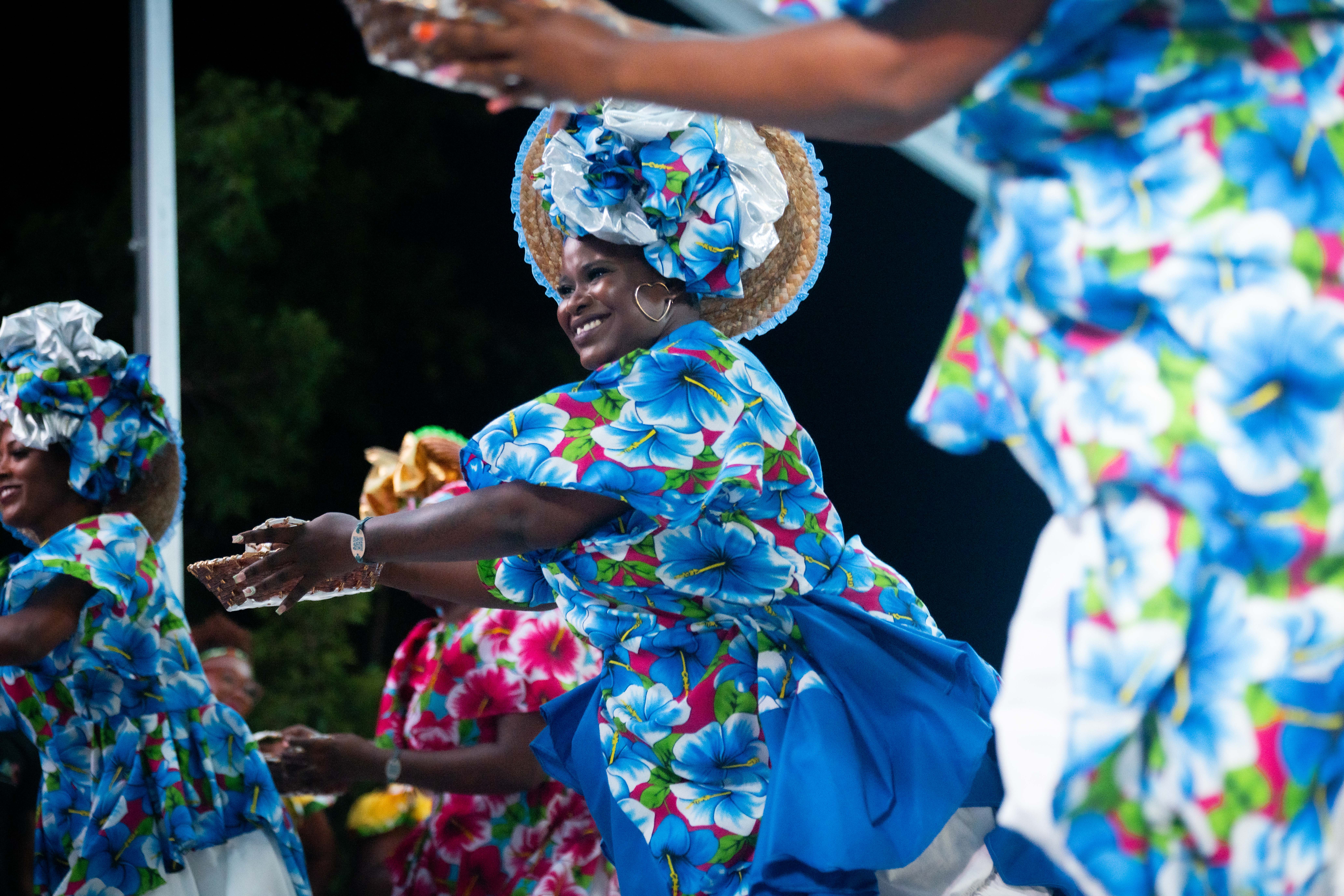
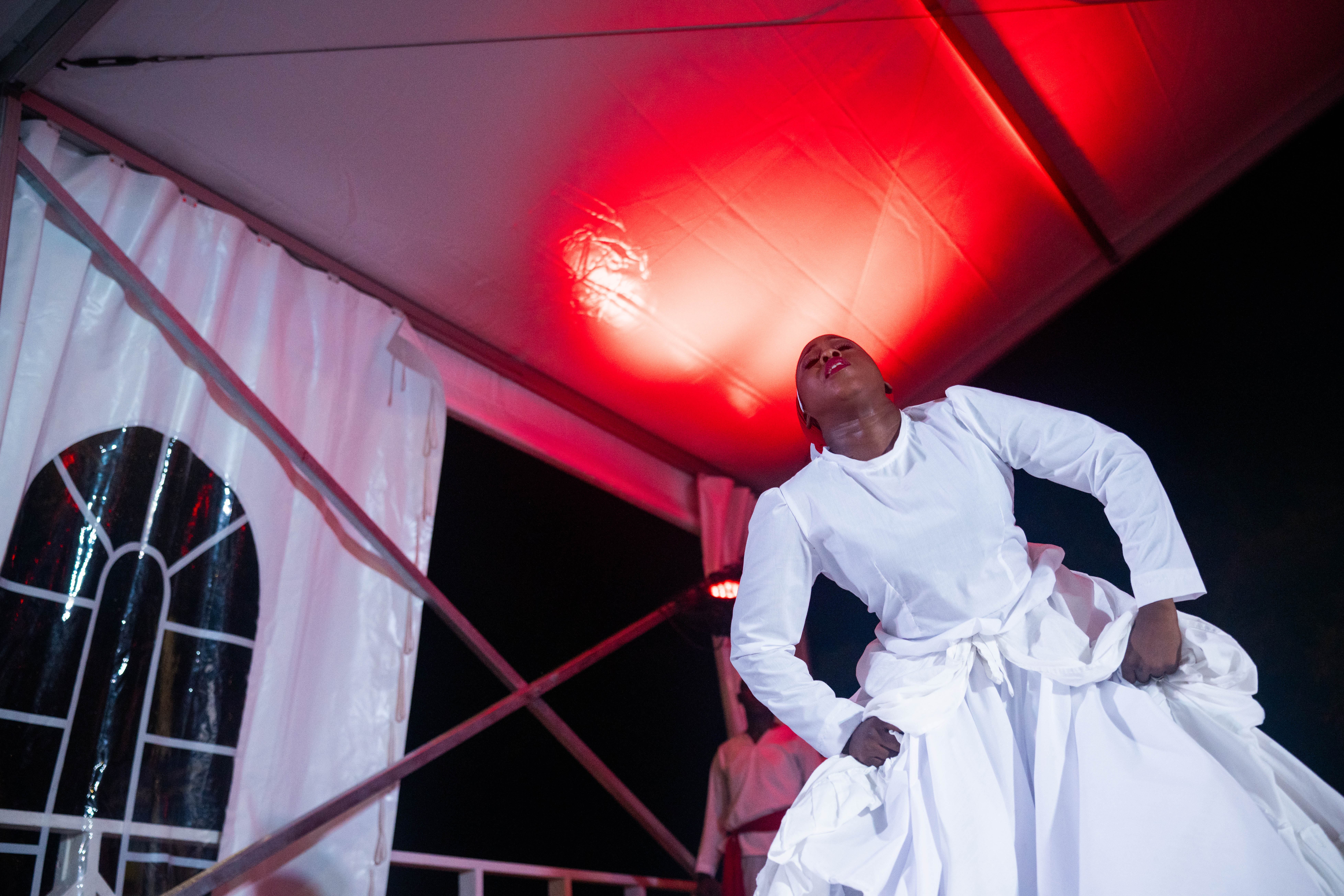
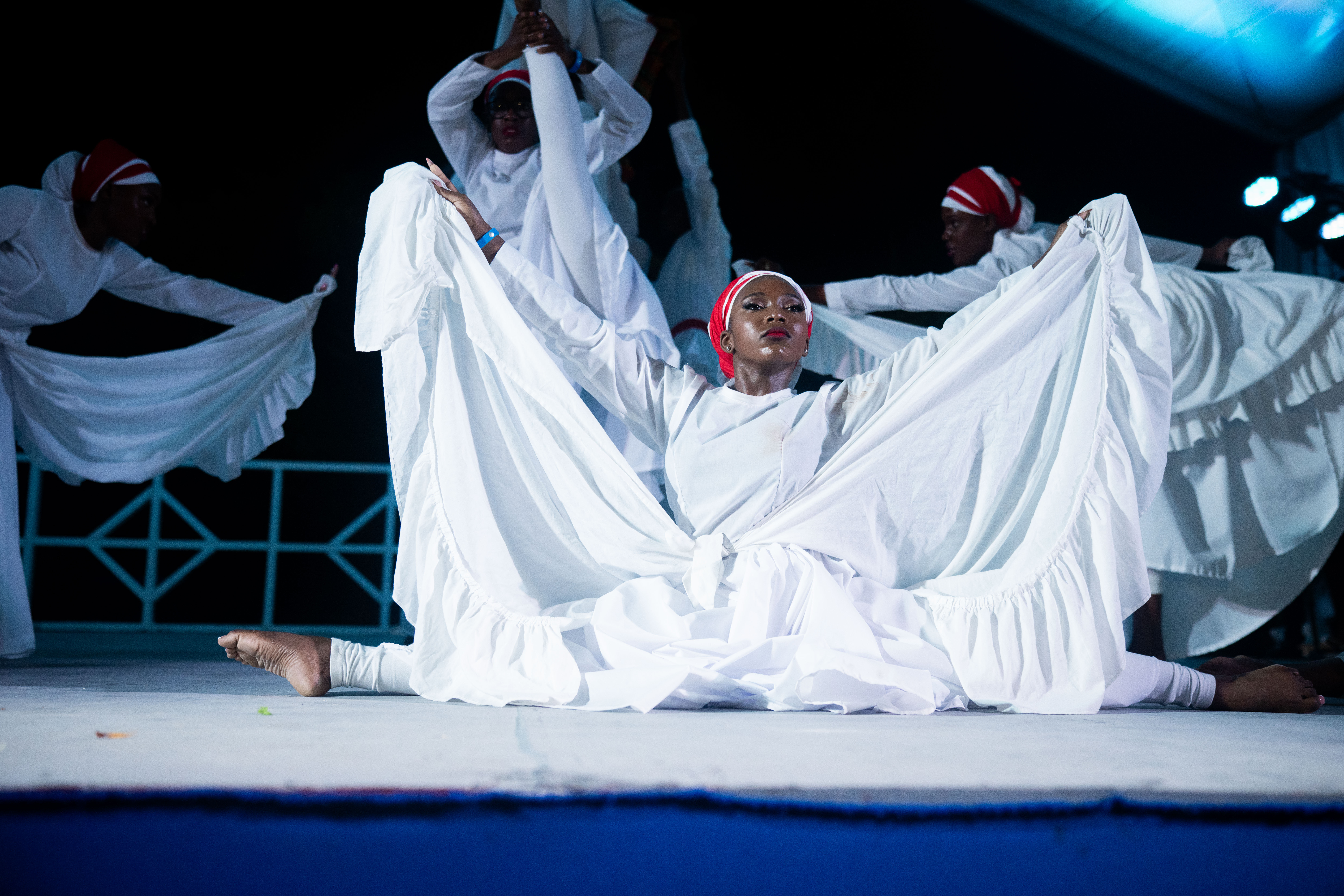
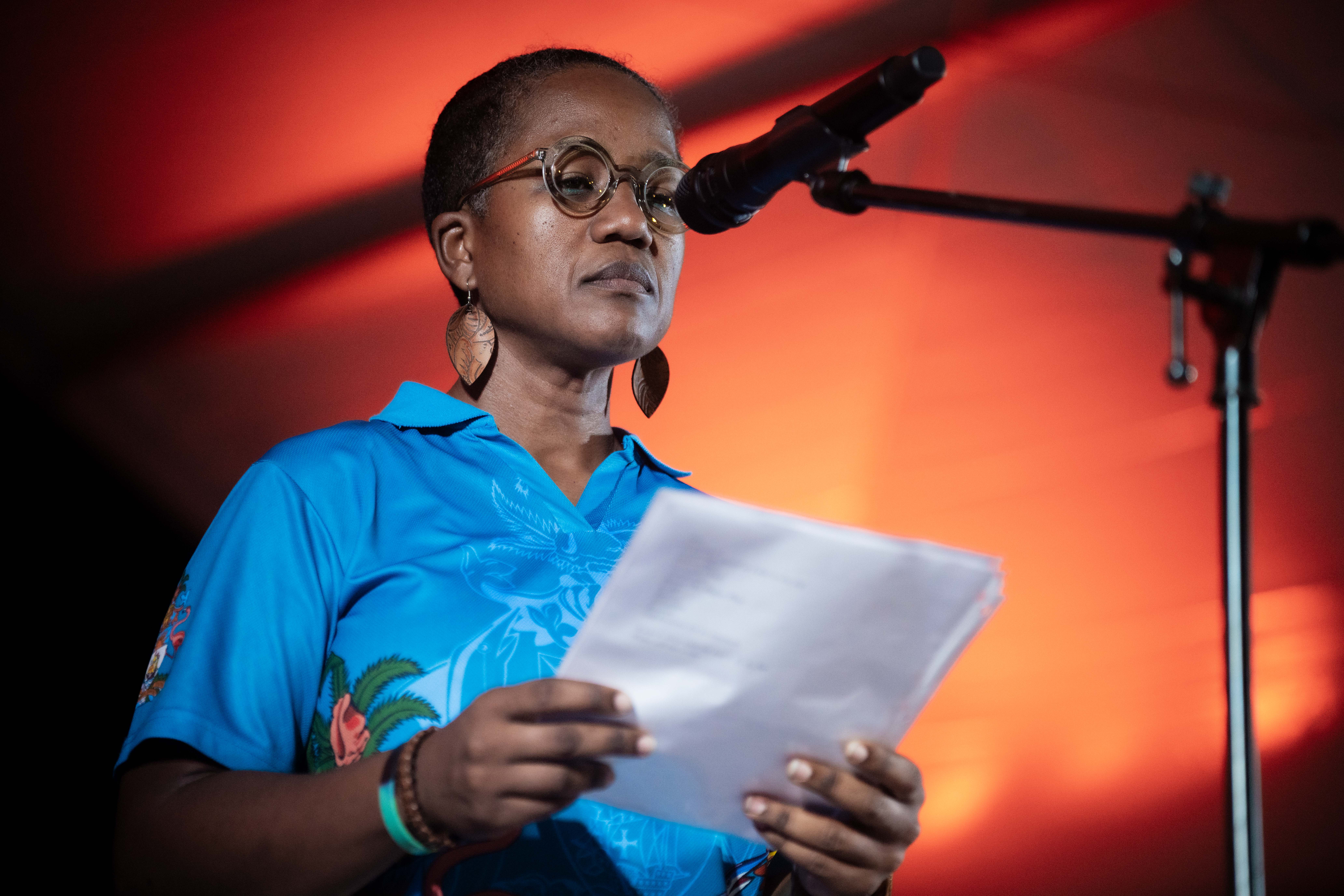
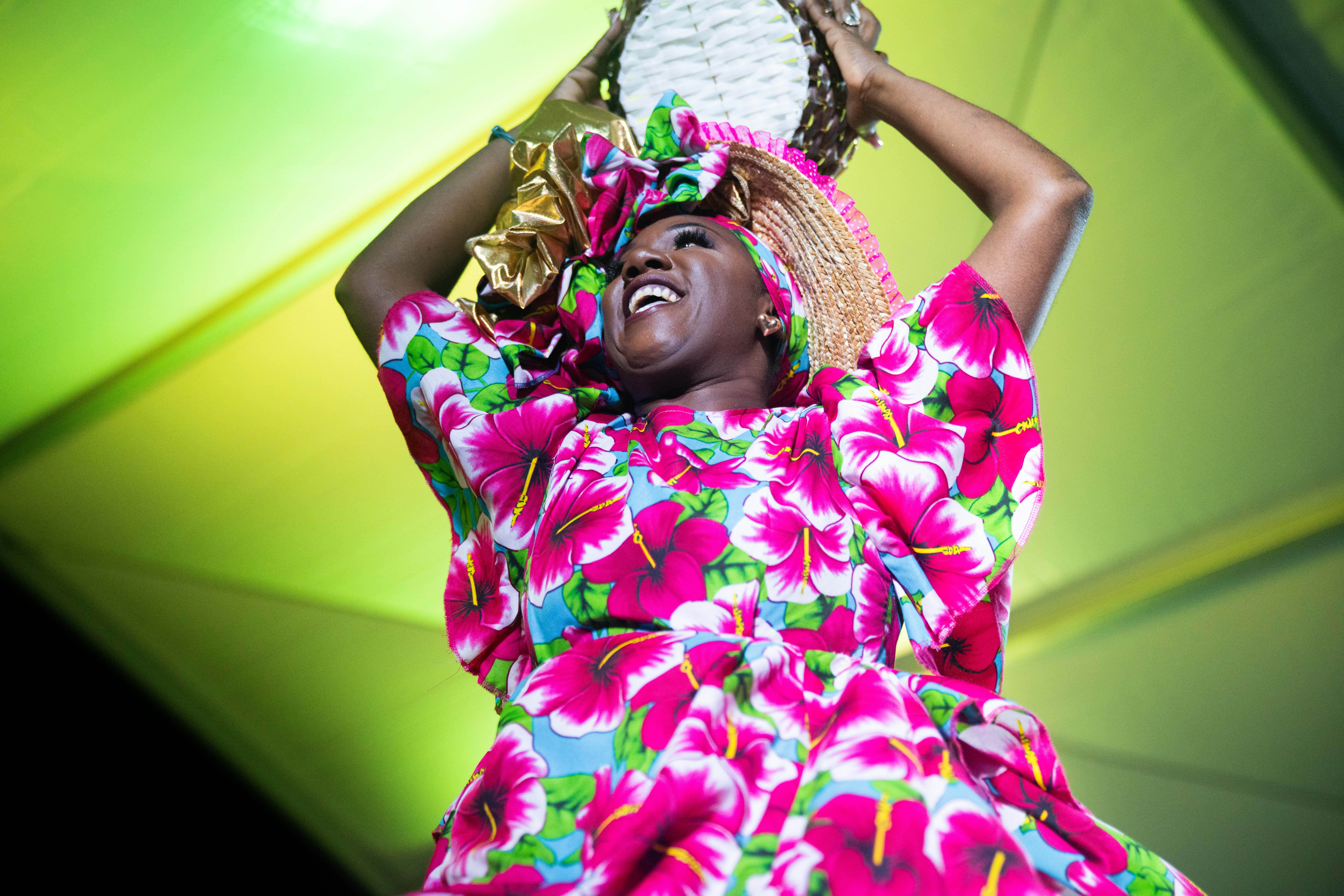
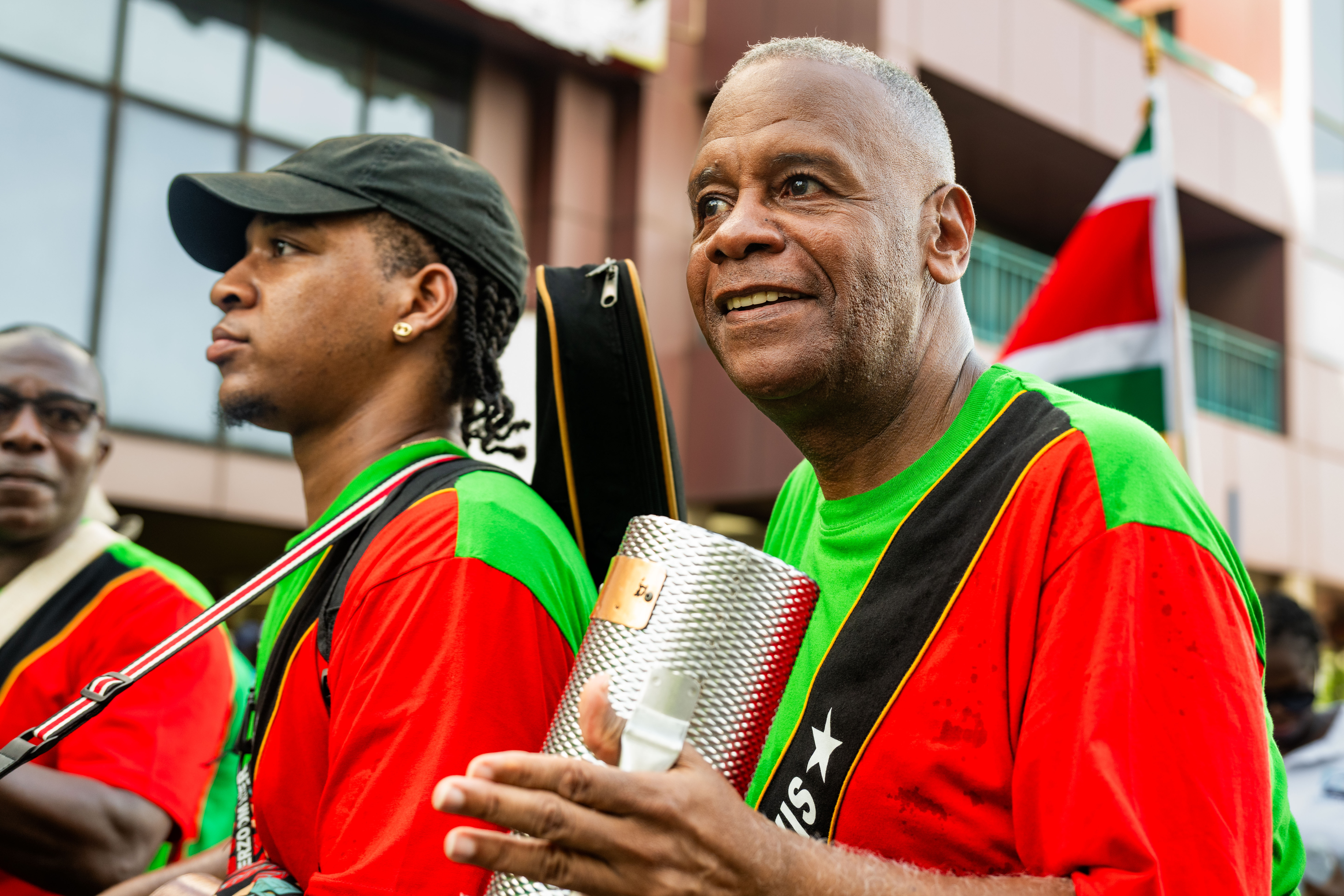
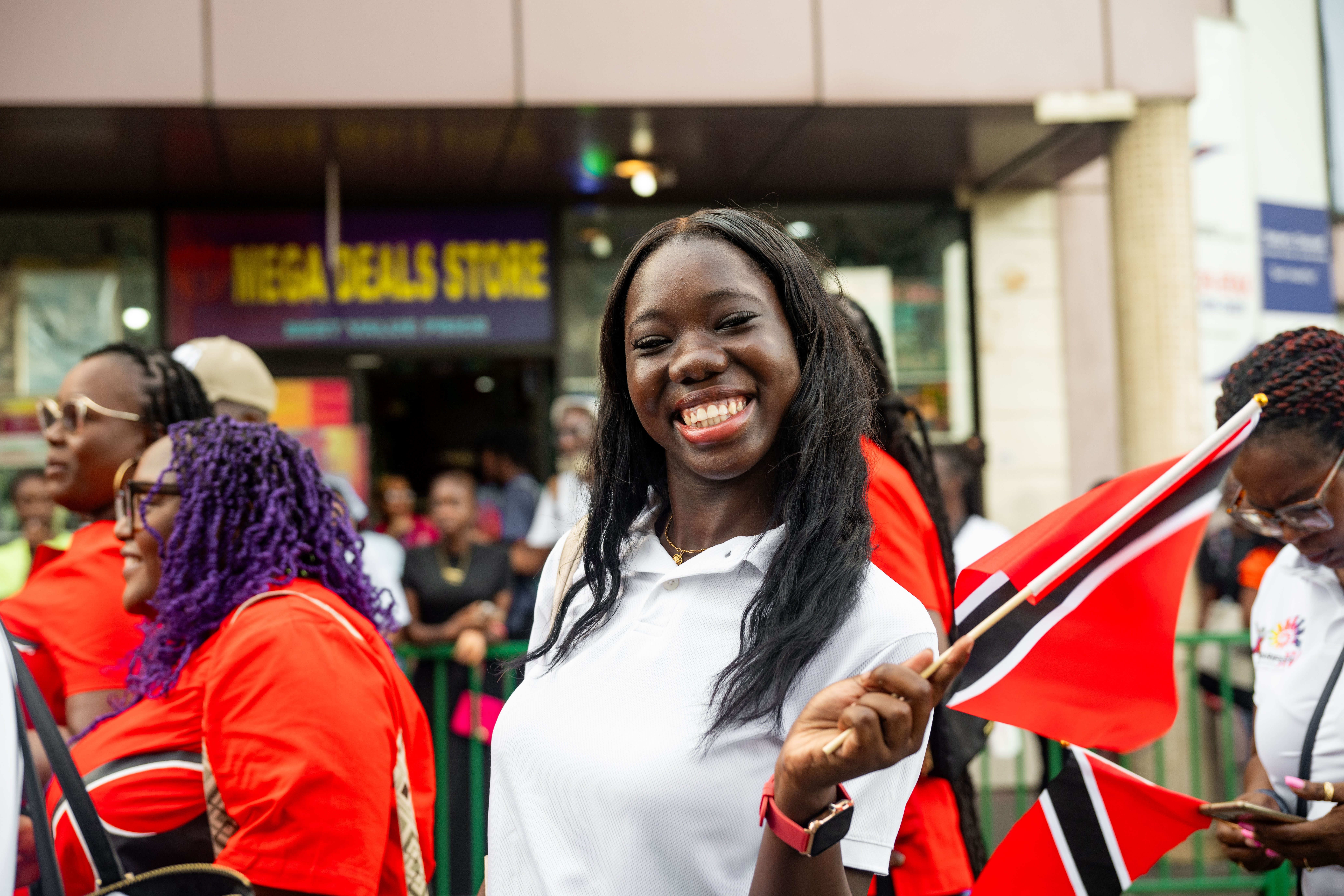
Carifesta XV

Carifesta is in Barbados, returning after 8 years.

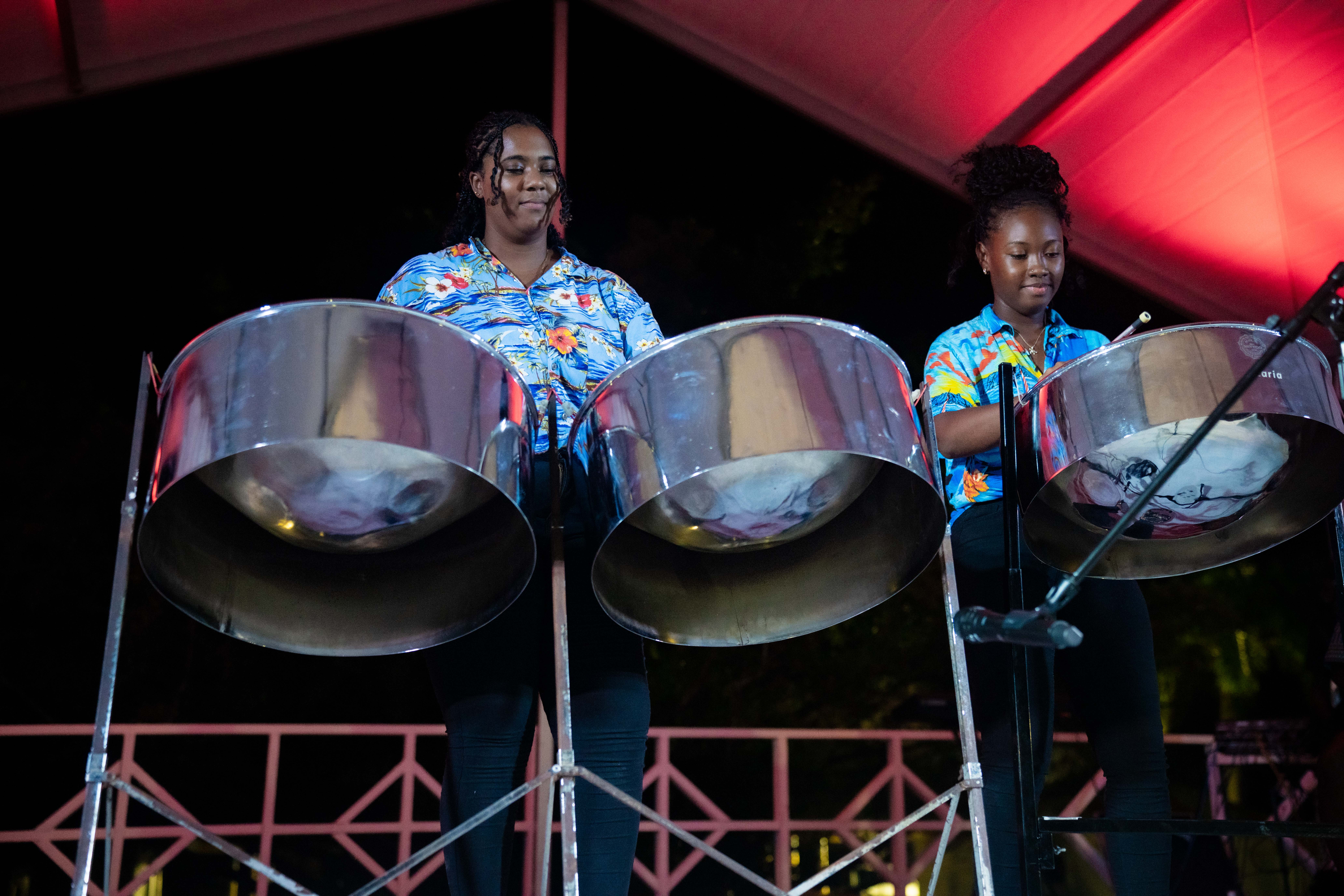
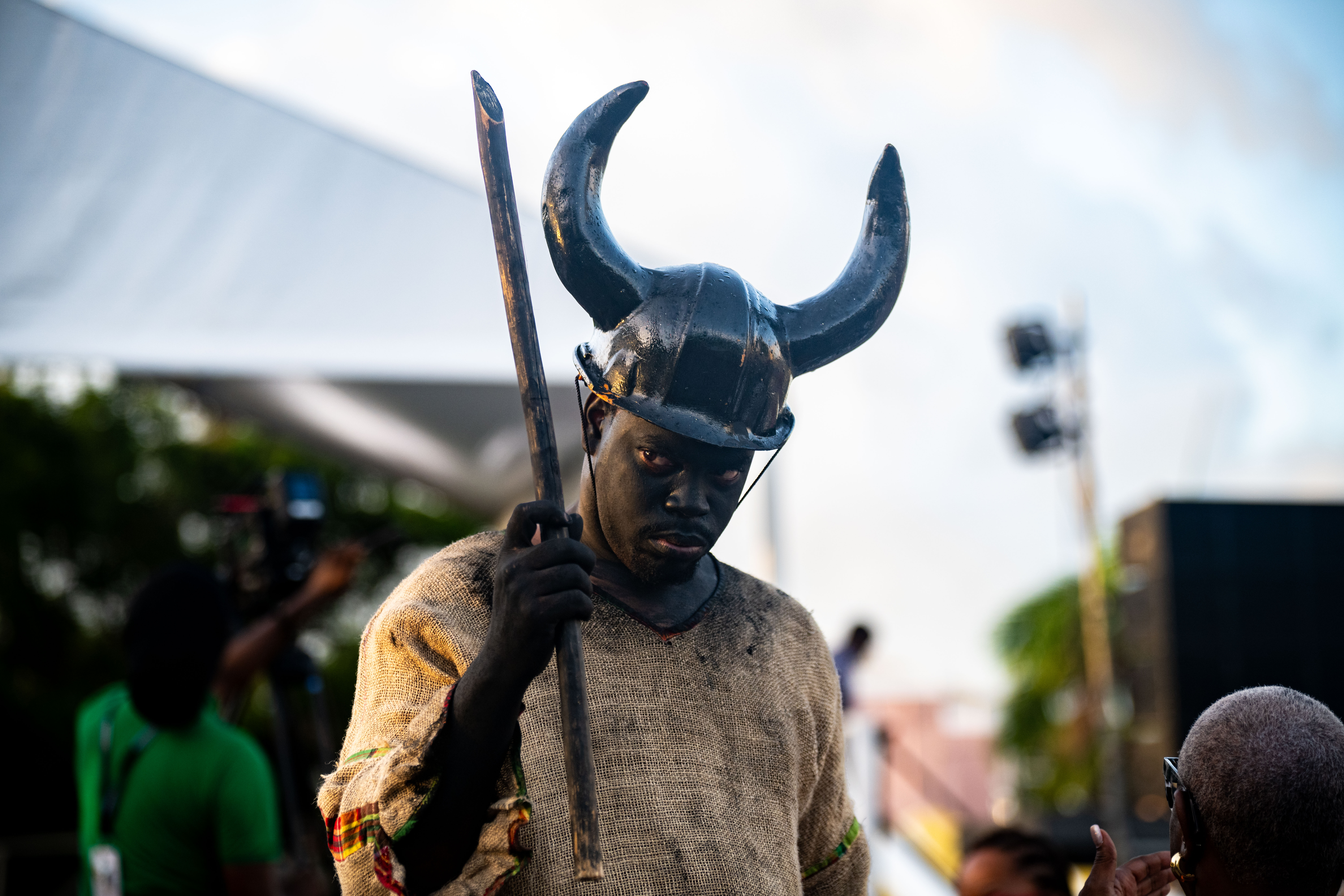
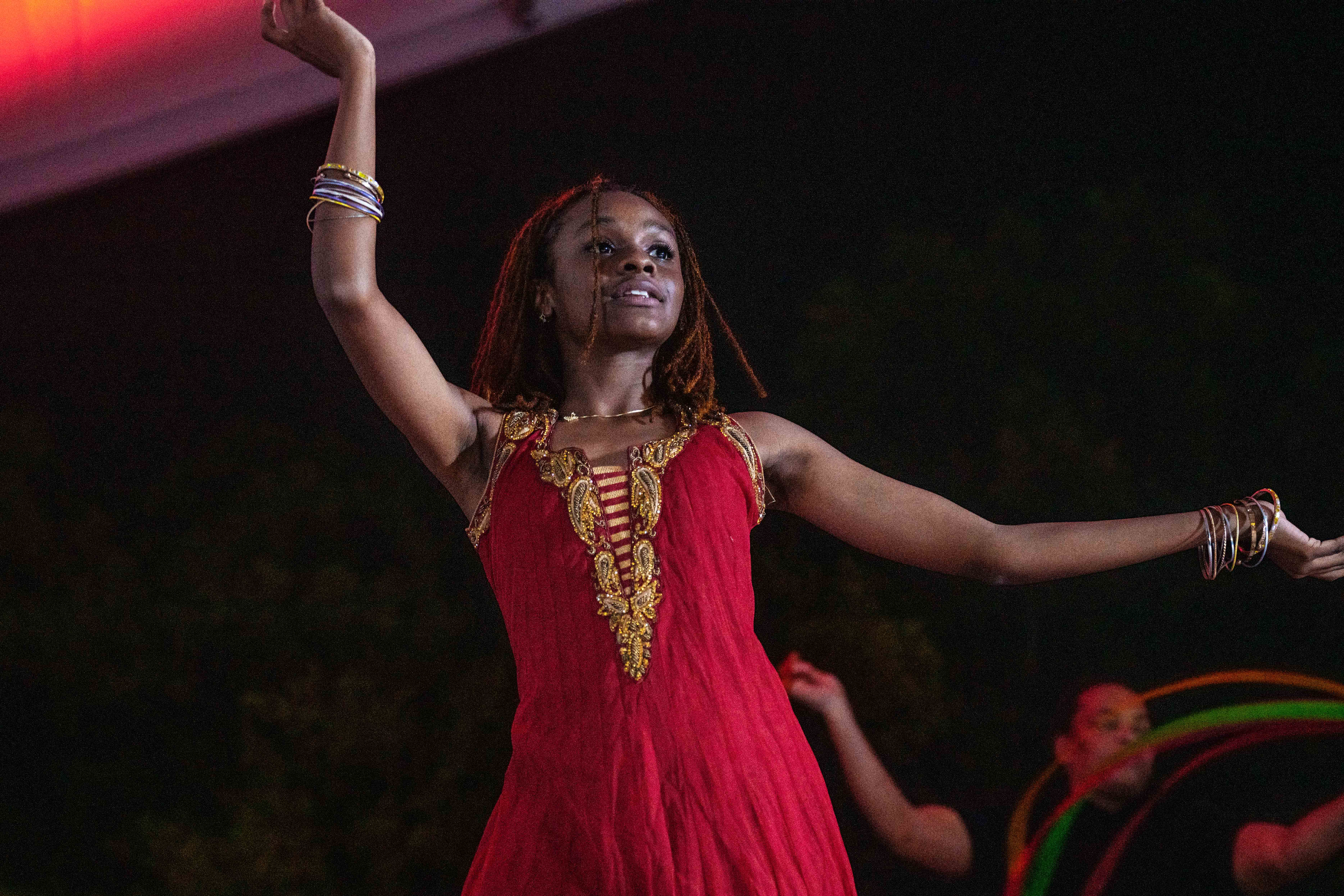
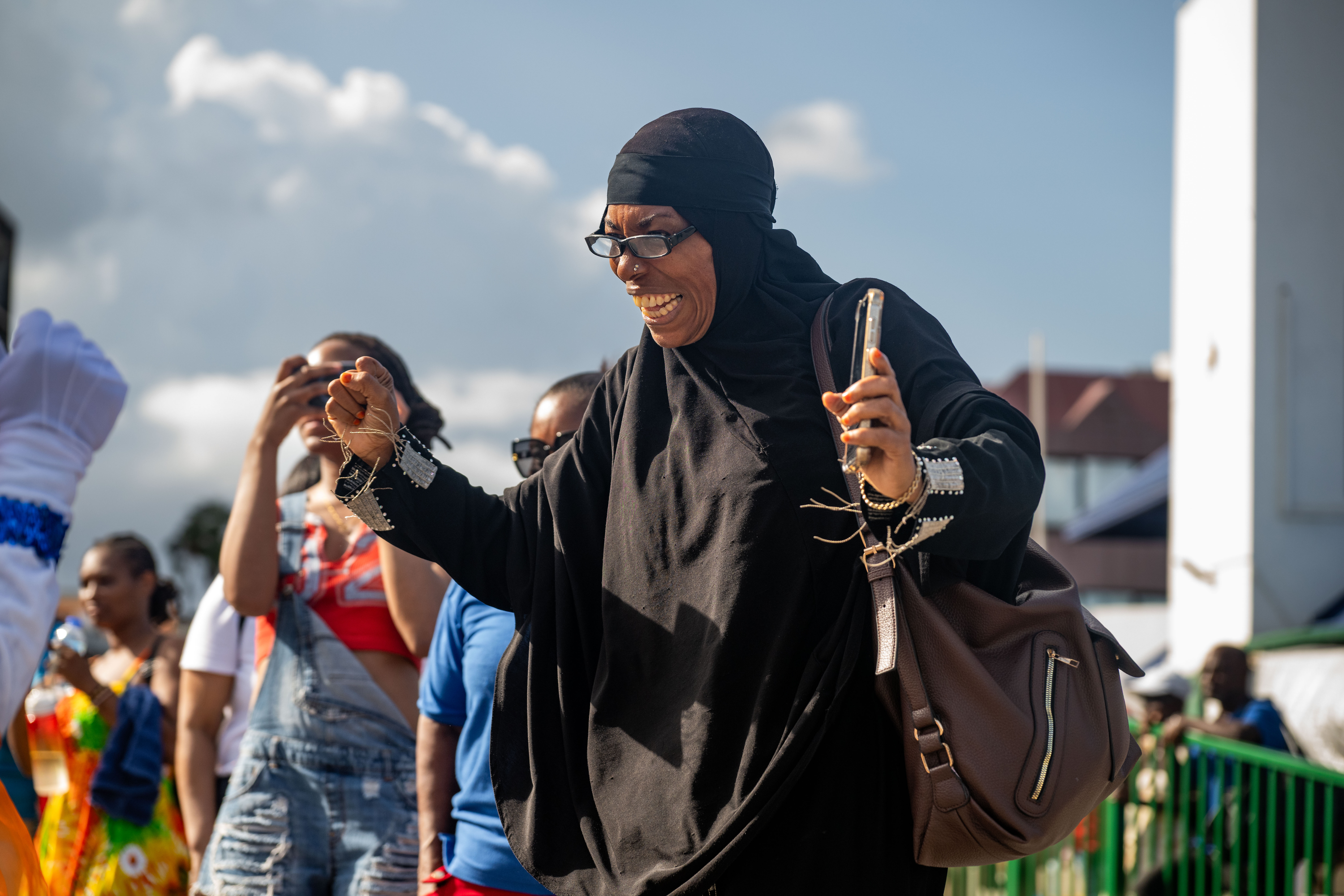
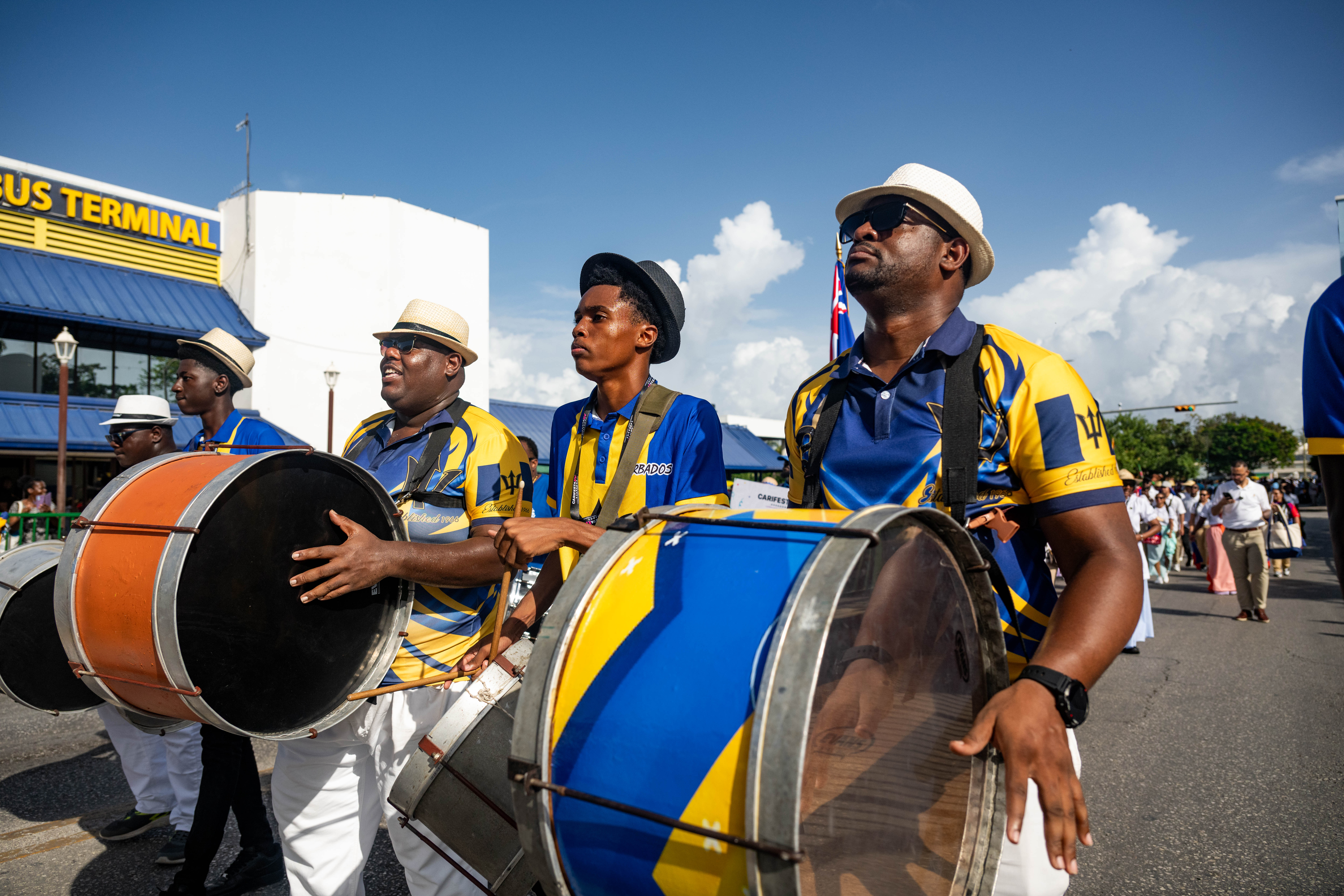
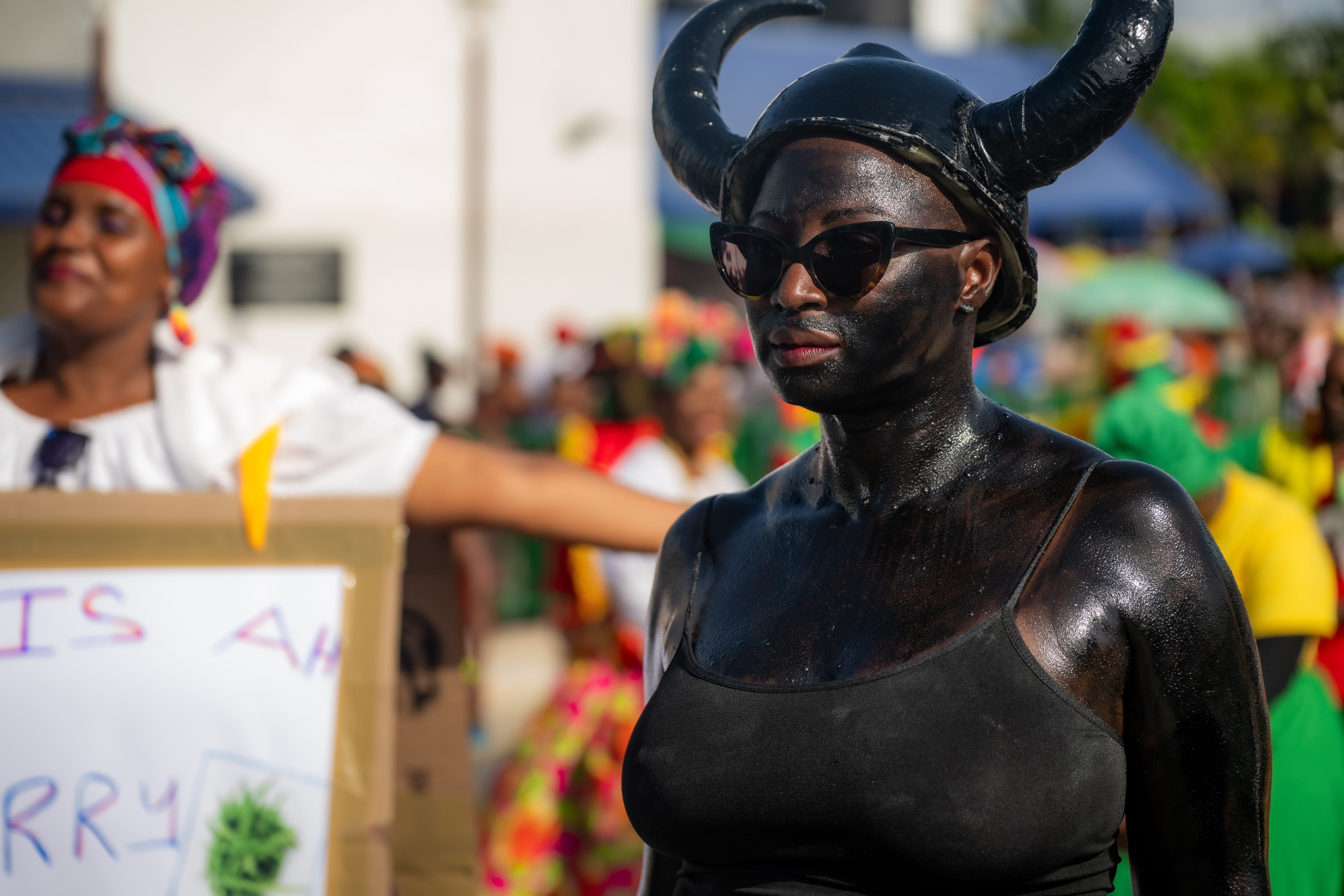
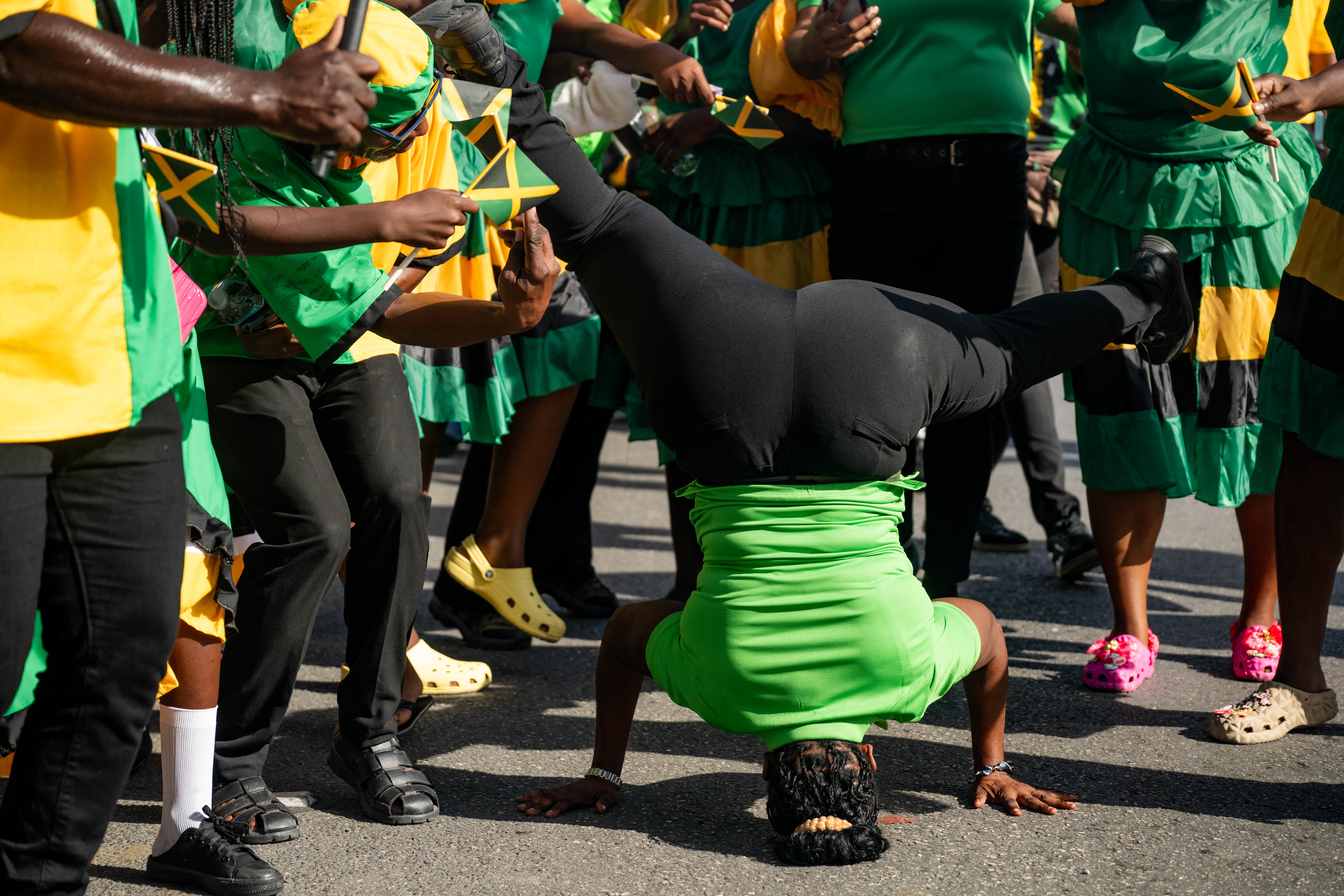
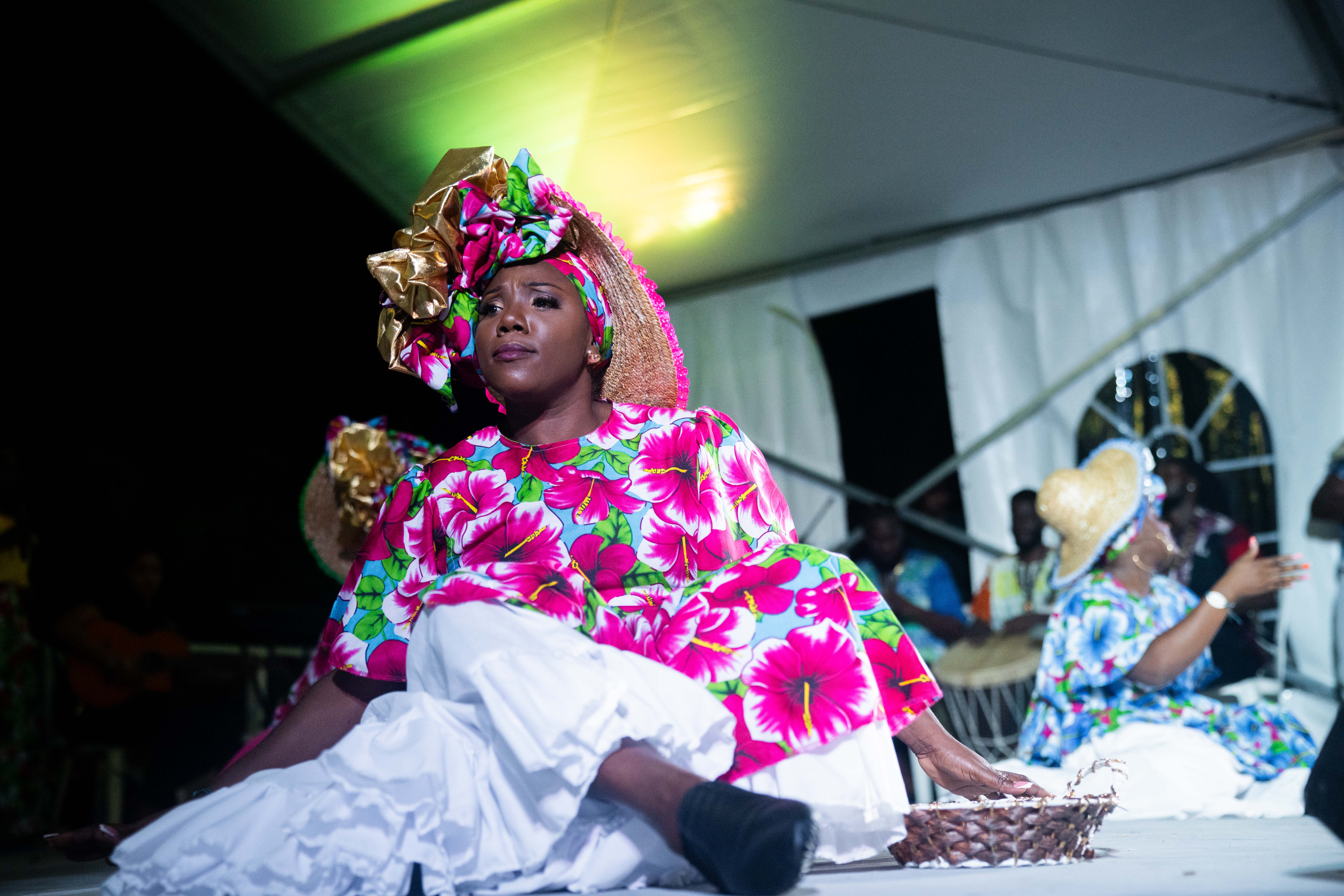
As I continue to explore another aspect of art as part of the media team, here are some of my photos from this year’s parade.

If you are in Barbados, COME OUT!

There is a lot going on!

Crop Over – The Periods – Period II – The Blue Ice Years – 1983-1990

Welcome back to my series of Crop Over musical periods. The last period, Ancient Crop Over Music, looked at the music that was part of the festival after its re-introduction in 1974. This next stage is one of the most important ones in the Barbadian music period, and for many, it is seen as the Golden Age.

The Blue Ice Years

The Blue Ice Years is the period where Eddy Grant, from his Blue Wave Studio in St. Philip and Ice Records, his label, dominated Crop Over. He was responsible for the songs that bossed the Tune of the Crop, which are the songs most frequently played at Kadooment, which is the final day of Crop Over.

Boots – The Mighty Gabby

This 1983 release from the Mighty Gabby was massive, not only in Barbados for Crop Over but throughout the region. In fact, it did the unthinkable for a Barbadian release then and became very popular in Trinidad. Boots is also typical of the Grant production approach of that time, with back-beat drums, minimal use of horns, and comparatively sparse bass lines. This song did not win the Tune of the Crop for that year, but it remains one of the classic Crop Over songs of all time. 

Sousy – Director


Produced by Eddy Grant and arranged by trumpeter Ricky Brathwaite, this song was one very popular in 1985. The rhythms were more typical of other soca offerings in the Caribbean at the time, and it didn’t have the Grant production stamp of the period, however, the durability (it was remade this year by Barry Chandler) and the impact of this work can not be denied.

Mr. T, Stinging Bees, More Grynner- Grynner

When it comes to popular works from the Blue-Ice Period, Grynner’s songs are definitely the ones to be noted. Grynner was the undisputed Tune of the Crop artist of the 80s, and these three songs won from 1983 to 1985. All of them bore the Eddy Grant style, with the back-beat rhythms from American music and/or the bass and harmonic minimalism.

Summary

For me, the Blue-Ice Period is the most nostalgic era of Crop Over for older Barbadians. It was not only defined by these iconic sounds and songs, but also marked a significant shift in the festival’s status. This was a time when the tent system was thriving, and Crop Over transitioned from the fringes to being a truly national festival.

Crop Over Music – The Periods – 50 Years

So, this year marks the 50th anniversary of Crop Over, and what do we academic types do with art that has been around a long time?

We analyse it and classify it.

Like other classification systems, there is no one cut-off point; instead, each one flows into the other.

Let me declare my hand now; these periods will deal with areas of creativity within Crop Over, which, in the case of Barbados, are mostly within the soca area (which really starts to come in the 2nd Period)

1st-period Ancient Crop Over Music  – 1974-1982

Music of the earliest Crop Over falls under here. The genre of the period is dominated by calypso. In short, this time is mainly based on Barbadian singers, musicians, and producers copying the music from Trinidad.

Key songs from this time:

The Mighty Gabby’s Mr. Harding from 1979.

The drum beat and the melodic construction from this song are all within the typical Trinidadian party calypsos of the 1970s. The instrumentation with the prominence use of “brass” (trumpets and saxes) also makes this a direct copy of what Trinidadian arrangers were doing then.
A similar work from this “Ancient Crop Over Music” time is Viper’s Ting Tong.

Not to sound like a stuck record, but this song, too, displays the characteristics of the Gabby song I posted before. I also want to highlight how melody and harmony work from this Ancient Crop Over Period. There is harmonic movement, and the melodies are less repetitive, especially in the choruses.

This song, Mr Harding from the young artist Red Plastic Bag, comes from the Pic-O-De Crop Competition. This competition is where the heavier lyrical content songs come to be judged in front of a panel, with a winner crowned the calypso monarch. The tempo and the extensive, and I mean EXTENSIVE, verses were typical of these songs, called social commentaries, from the Ancient Crop Over Music period.

The final song I want to post from this time is Jack from the Mighty Gabby. This song also entered the Pic-O-De Crop competition in 1982, but it is a far more uptempo song than Mr. Harding. The verses are shorter, and the melody is much more repetitive despite dealing with a social issue. This song marks the end of this period as the next period began to establish an indigenous Barbadian soca sound.

Catch me on the next blog post for part II – The Blue Wave Period.

Bonus Ancient Crop Over Music Song – Romeo’s Brother Fuzzy


Crop Over 2022

Crop Over is finished for 2022.

Here is my personal highlight:

the Barbados National Youth Steel Orchestra, led by Lowrey Worrell doing my arrangement of an Alison Hinds medley sung by Ambassador Alison Hinds herself.

Here is to a great Crop Over 2023.

Top Ten crop over Songs of all time

Crop Over is a summer festival held in Barbados. Originally it was a post-harvest festival held after the sugar season, but it was re-introduced in the 1970s as a carnival-like event.
Since its re-introduction, the festival has grown considerably to where it is now one of the main cultural events in the Barbadian calendar. Over the years, many songs have been released for Crop Over that fall into two genres:

  • Calypso
  • Soca
    The calypsos are usually written for the calypso competition while the soca songs are for the parties and the street celebration known as Kadooment.
    I will now give a Top 10 Crop Over songs of all time where I seek to narrow down the thousands of songs that have been released in these two genres. To get on this list, a song had to be:
  • A prototype of a particular period
  • A song that went on to change how music was being made in Crop Over.

So here is my Top 10 (not in any particular order).

Tek Off Something – Stiffy – 2016
1. Tek Off Something is the newest song on this list. It gets its place because it represents the Bashment Soca form of soca which is the favoured Crop Over genre by the current youth in Barbados. Bashment Soca is really a re-emergence of Bajan Dub from the 1990s, and the music was then re-branded and given a competition within the Crop Over Festival. Stiffy won the first-ever Bashment Soca competition with this song. Tek Off Something gets on the list, therefore, because it is a prototype of Bashment Soca. I actually call it Bashment Soca II because the original Bashment Soca I is different to this newer form.

Hard Wine – Lil Rick – 1996
2. Hard Wine is a song from the mid-1990s sung by Crop Over giant and Bajan cultural icon Lil Rick. This song gains its place because of the influence it had on later producers and singers. It was raw in its production and had Lil Rick chanting/singing in Bajan dialect. It started a whole sub-genre, Bashment Soca I, where bed-room producers came to the game with raw production and songs sung in Bajan dialect. This type of Bashment Soca was popular for another ten years and formed part of the soundtrack to Crop Overs of the early 2000s.

The Country Ain’t Well – RPB – 1989
3. The Country Ain’t Well was part of the calypso competition, called Pic-O-De Crop in 1989. It gets on the list because it represents the calypso writing style of RPB, who had the most success in Bajan calypso competitions. The RPB style is based around simple, singable melodies and lyrics that display the use of metaphor. This song is a prototype Bag and helped him win the competition in 1989.

West Indian Politician – Gabby – 1985
4. The other influential way of composing calypso is the way it has been done by the Mighty Gabby. Unlike RPB, the Gabby method is full of melodic complexity in comparison to other calypsos. Gabby loves chromatic notes, and he also varies the rhythm of his melodies between verses as well. This way has also been very successful at the calypso competition, with Gabby being the second-highest winner. Basically, Bajan calypsonians either utilize the Bag style or the RPB style in making their music.

Ragamuffin – Square One with Alison Hinds – 1996
5. Alison has been one of the leading female voices in soca, a genre that has been male-dominated since its inception. Ragamuffin represents the type of fast soca which emerged in the mid-1990s that was more sung when compared with the Bashment Soca I. This type of soca, like Bashment Soca I did not feature a lot of instruments and was considerably quicker than the other types of Soca, which were popular in the 1980s. Although Obadele was the first to win the most popular on the road with this type of soca, Raggamuffin because Alison Hinds sang it, is not only a prototype of this quicker soca in the 1990s; it also is the prototype female artist within soca and thus an automatic entry on this Top 10 list.

Pump Me Up – Krosfyah with Edwin Yearwood – 1995
6. The slower type of soca, known as Ragga Soca, is very popular at Crop Over. Though it has been renamed under the influence of Trinidad to Groovy Soca, it still forms a critical element of modern parties. The first soca of this type is Pump Me Up by Edwin Yearwood, which fused dancehall with soca music. This slower tempo, plus the way Edwin sings, was imitated by many and went on to have considerable influence in all carnivals in the English-speaking Caribbean. Pump Me Up was this a no-brainer inclusion to the Top 10 list.

Mr T – Grynner – 1983
7. Before the considerable changes in soca music in the 1990s, Grynner was the dominant sound of soca music in Barbados in the 1980s. Grynner’s sound was built in Eddy Grant’s Blue Wave Studio, and it basically involved a backbeat which is found across many genres as the drum pattern and then calypso percussion on top. In addition, Grynner’s unique Bajan voice carries the melody. This combination was very popular, and Mr T. represents this sound to a T.

Ragga Ragga – RPB – 1993
8. Although Pump Me Up was the most influential of the Ragga Soca songs, the song that opened the door of Jamaican dancehall mixed with soca was Ragga Ragga. This song gave Ragga Soca its name and is a definite inclusion on this list. It is on this, however, to represent the regional influence of songs released in Crop Over as Ragga Ragga was very popular in the Caribbean region of Colombia and Panama. It probably remains one of the most recognizable songs from Crop Over in that region and has a redone Spanish version (reggae en Espanol).

My Car Brek Down – Contone – 2006
9. Contone was a car-washer and part-time singer. His song My Car Brek Down was the most popular Bashment Soca I song ever and marked the end of that particular era. Some may consider this song a strange inclusion, but in my time on stage, I have never seen such a reaction from an artist as Contone received at that time.

All of We – Peter Ram – 2015
10. In 2021, the other sound that dominates Crop Over and Bashment Soca II is the sound of Red Boyz soca. The Red Boyz are a production team of Scott Galt and Mikey Hulsmeier with a garrison of hit songs since their 2006 debut album. In 2015, Peter Ram’s All of We, which was written by Shaft Bishop, a close associate of the Red Boyz, completely dominated 2015 Crop Over. The Red Boyz sound is based a lot on the re-introduction of 1980s style production of soca with live instruments frequently featured.

So there it is, my Top 10 Crop Over List to date. Do you agree with mine? Which other songs should be included?

Creating through limits

I created the following re-arrangement of 2 Mile Hill and Buggy’s Talk to Me using just one virtual instrument.

I chose BBC Discover by Spitfire because this library is very affordable in comparison with others and gives very few articulation choices.

As a creative person, setting up limits forces you to solve problems in others ways.

I recommend this process highly.

Anyway, here is the video, enjoy. 

The Battle of Bronze Nelson

The statue of Lord Nelson is about to be removed from its prominent position in the centre of Bridgetown.

The debate which led to the removal has been fierce with the Nelsonexiters, those that wanted him gone for years, the Remainers, those that don’t want to see him budge and the Penny-savers, those who think that the money to remove him could be spent elsewhere, all arguing and venting on social and traditional media. 

So before the bronze man disappears into the museum, I want to try to make sense of what has been going on in simple language to show that the Battle of Bronze Nelson can tell us a lot about meaning and how it works in modern Caribbean societies.

  1. Symbols do matter to people, just ask the Egyptians.

Despite what the Penny-Savers think, symbols matter to many Barbadians, because Bronze Nelson HAS mattered.

If we were to look at all human communities throughout history, we will see that symbols have always counted. Every community has objects that serve no functional purpose towards the survival of members of those communities.  The Egyptians built pyramids when they could have used holes in the ground. 


nations have flags when bar-codes would be cheaper; all modern states put up statues that they cannot eat and have to clean.

Ridiculous you say — then why?

The short answer is because we humans think in signs, and it is the MEANING we get from these symbols that makes us act together.

Every communist regime understands this just ask North Koreans how many statues of the Kims are erected or how their country does a military parade.

A government even makes sure its citizens use the same symbols, they are called letters. This is because letters, like statues, are symbols they STAND in for things and are essential for communication.

In short, whether it be a statue or an alphabet.

Symbols are not just important, they are ESSENTIAL to human life!

  1. What society thinks of a symbol CHANGES over time!

One argument the Remainers put forward in keeping the Bronze Nelson goes like this,

“You take down Nelson, what’s next? You remove Sir Gary from Kensington you stop teaching British history, where does it stop?”

The answer to that question is no one knows and frankly unless you plan to live to 1000 years old, you shouldn’t care. 

For the Nelsonexiteers of 2020 Bronze Nelson was no longer ACCEPTABLE as a public symbol. 

The same thing will happen to other symbols we now consider sacred. 

For example, there is no white or brown in the broken trident. 

However, as the Asian descended population continues to grow and inevitably become more publicly engaged, they might see this as an issue and demand removal of the BLACK broken trident from the national flag.

If something like this happens it will not be the first time.

One only need to look at post-war Germany to see the mass removal of symbols by the following generation as the symbols of the previous Nazi regime become unacceptable.  

In short,

Nothing last forever, statues included.

In summary

The Battle of Bronze Nelson is ultimately a battle of meaning. And at this moment in Barbadian history, he represents an oppressive form of colonialisation which is not acceptable.

Who knows, he may return as racial politics changes and who controls those meanings changes.

But for now, he is on history’s page and in the Barbados Museum.