
Carifesta is in Barbados, returning after 8 years.
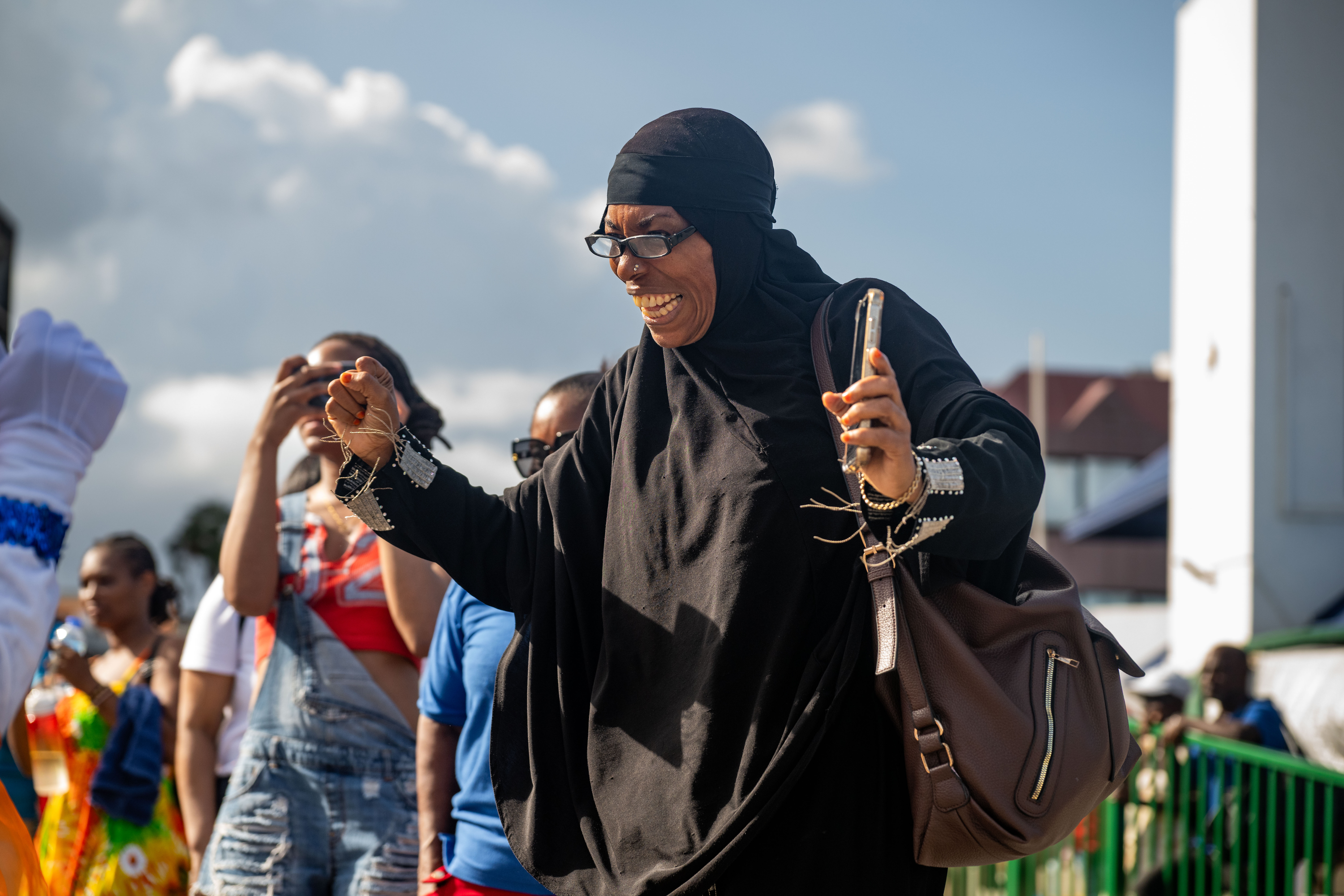
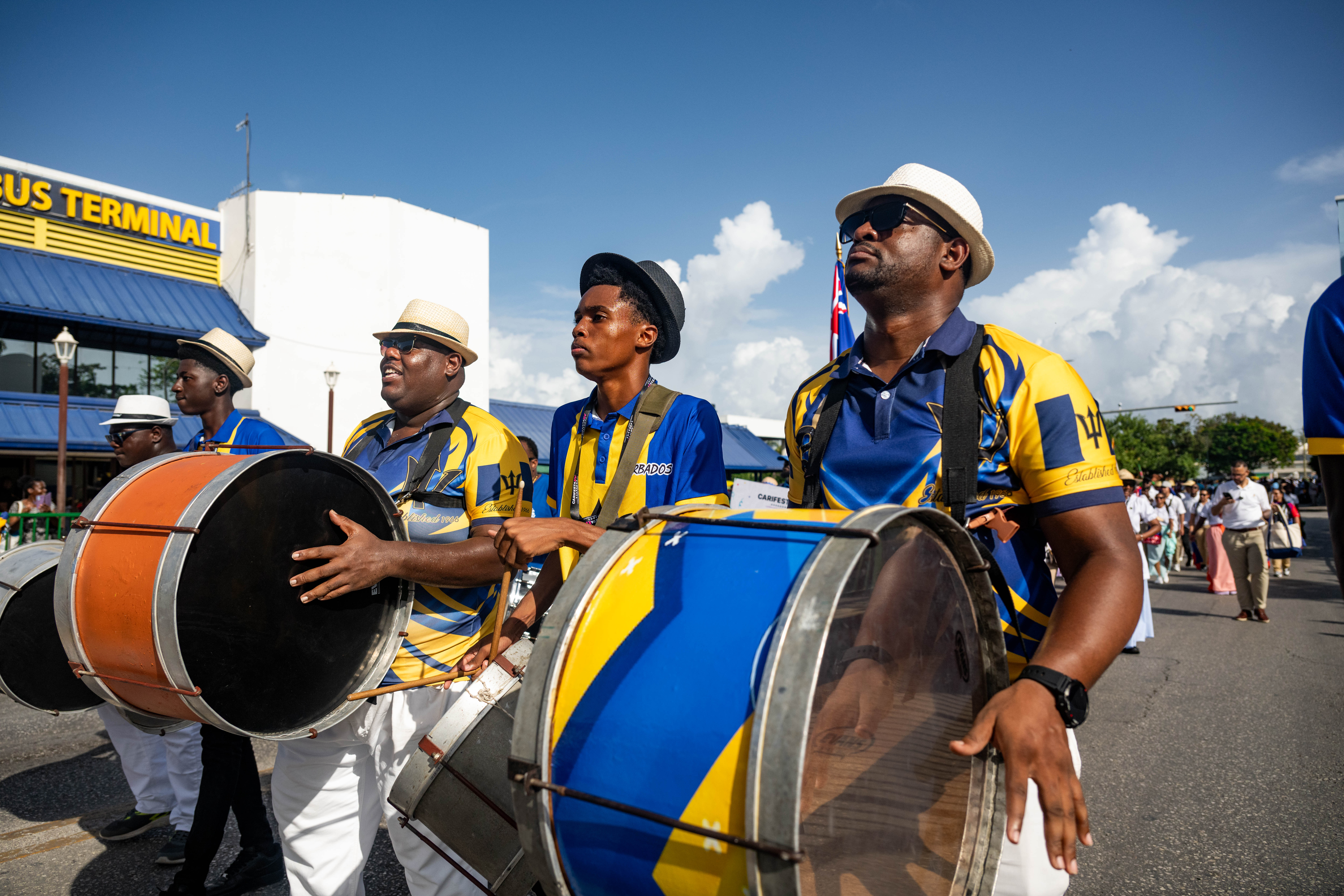
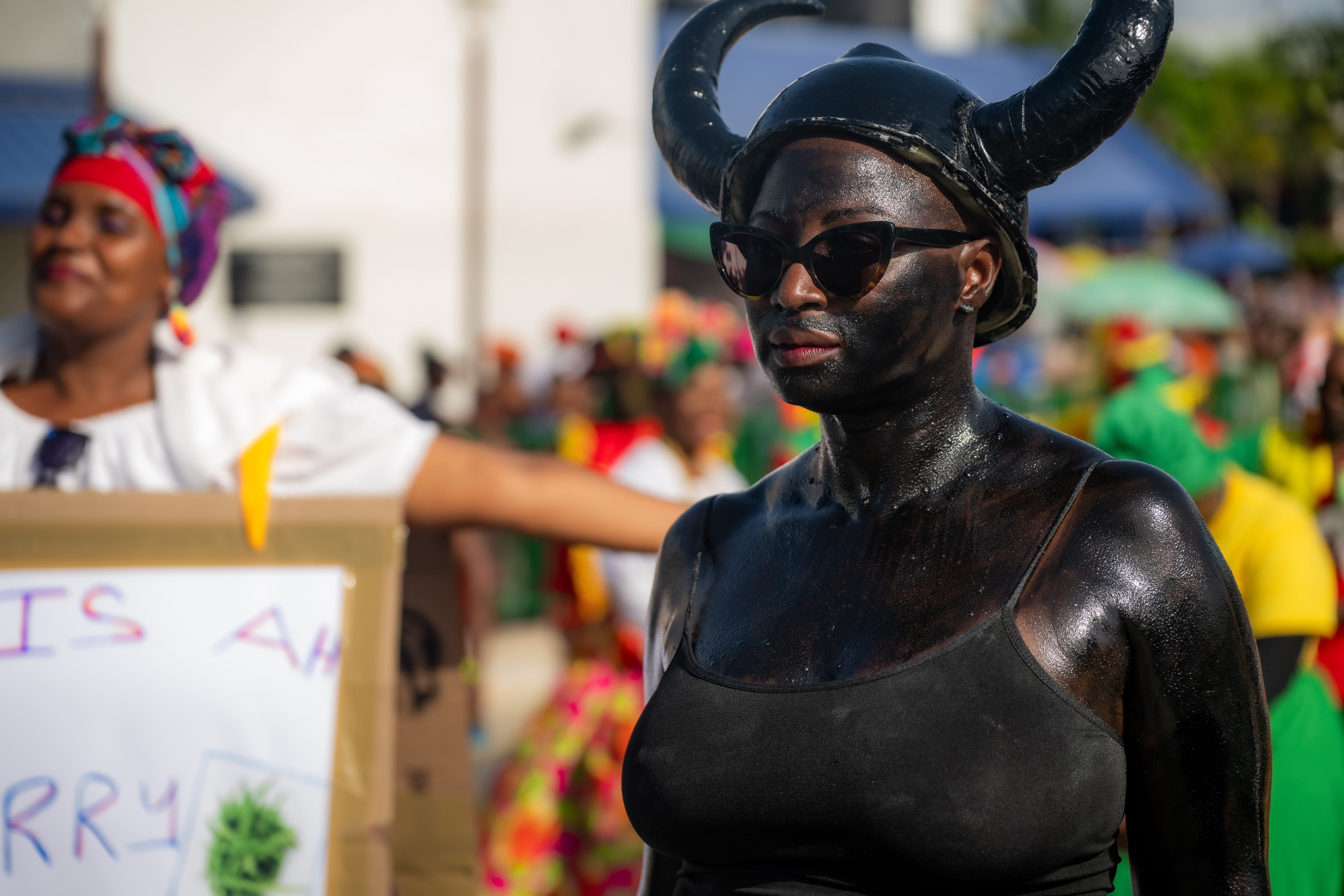
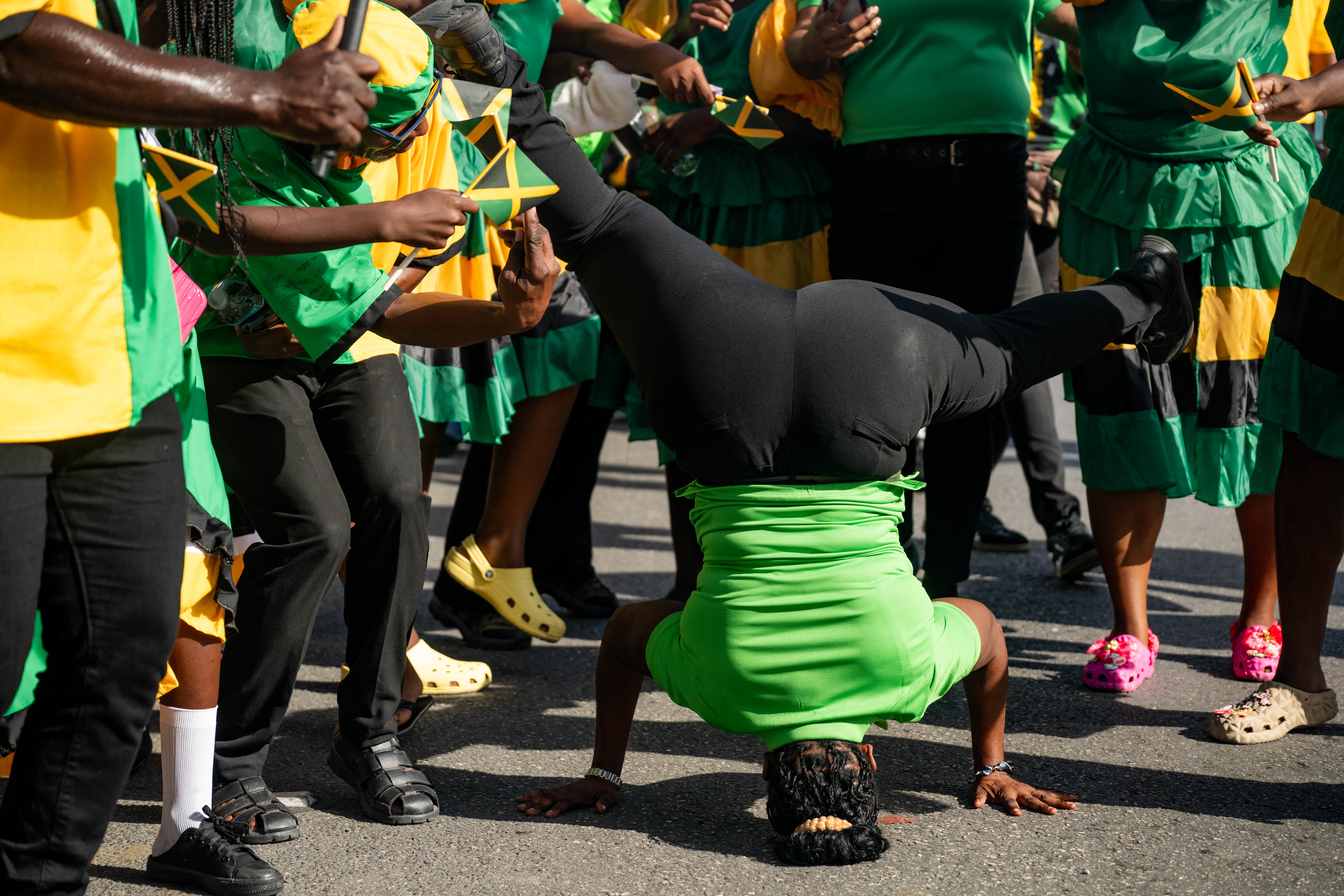
As I continue to explore another aspect of art as part of the media team, here are some of my photos from this year’s parade.
If you are in Barbados, COME OUT!
There is a lot going on!



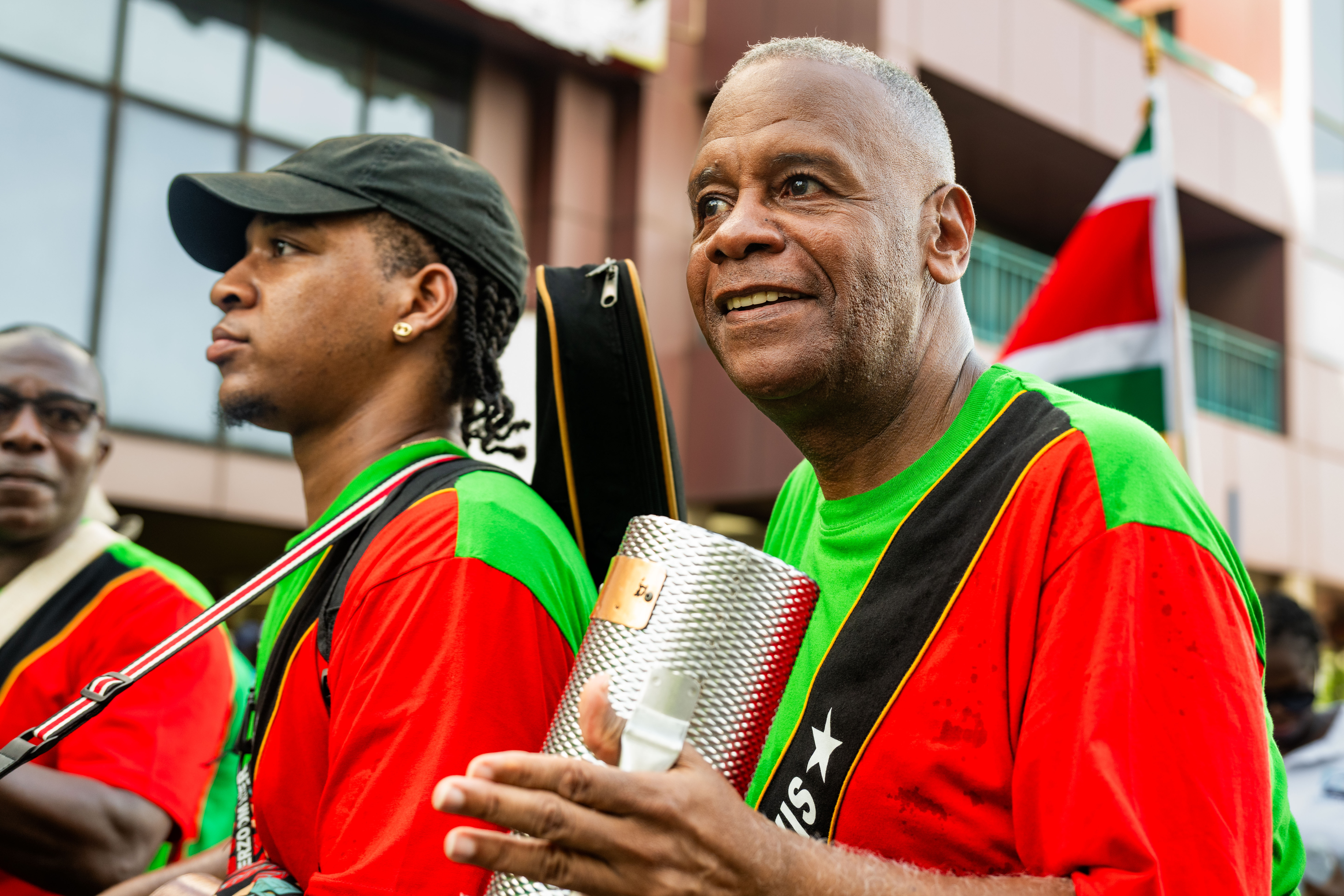






Carifesta is in Barbados, returning after 8 years.
As I continue to explore another aspect of art as part of the media team, here are some of my photos from this year’s parade.
If you are in Barbados, COME OUT!
There is a lot going on!
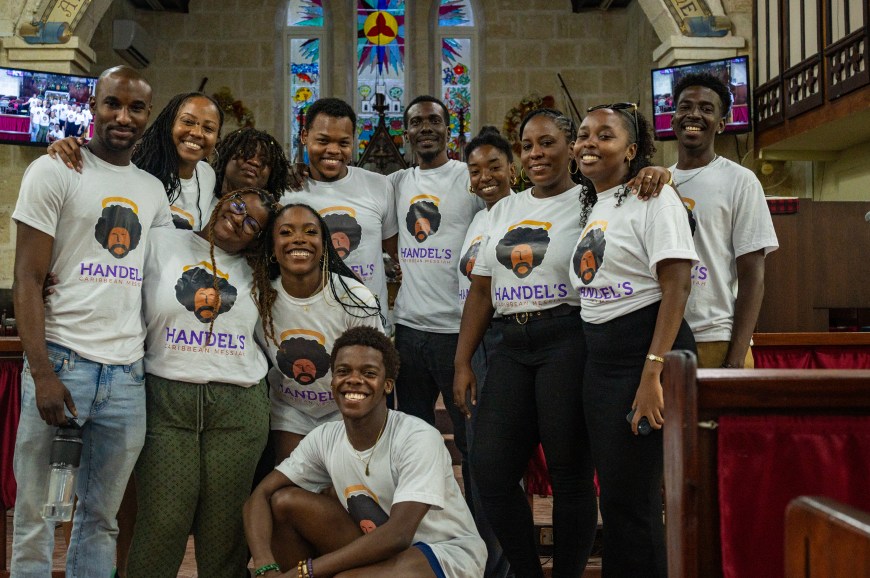
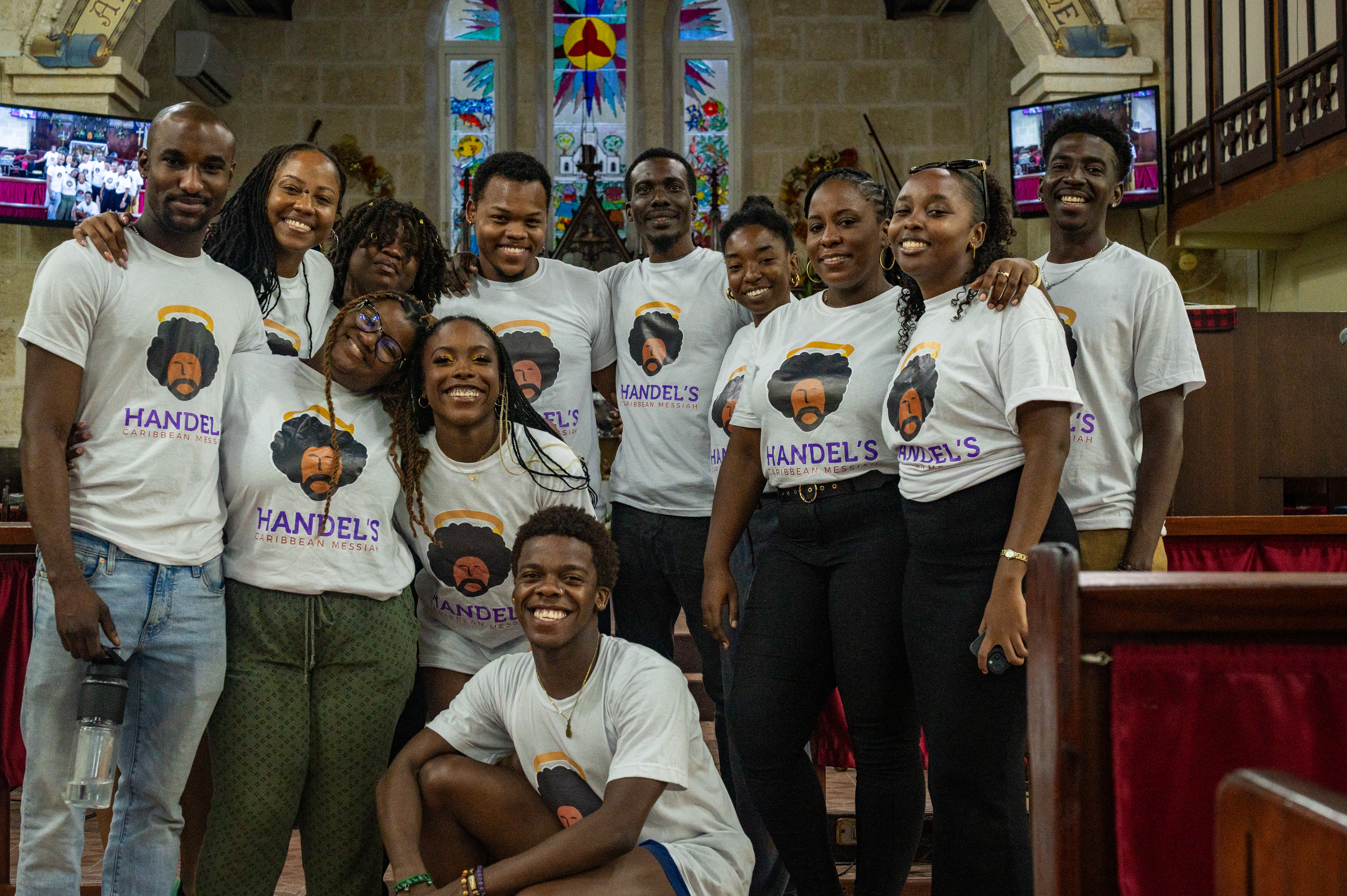
Today has been a busy year one where I promised more blogging but instead was between the Handel’s Caribbean Messiah and the BFA and BA programs.
Well for those that pass through here, I want to wish you a happy new year from my Cuban as well as Barbadian Handel’s Caribbean Messiah teams.
Happy New Year everyone.


Welcome back to my series of Crop Over musical periods. The last period, Ancient Crop Over Music, looked at the music that was part of the festival after its re-introduction in 1974. This next stage is one of the most important ones in the Barbadian music period, and for many, it is seen as the Golden Age.
The Blue Ice Years
The Blue Ice Years is the period where Eddy Grant, from his Blue Wave Studio in St. Philip and Ice Records, his label, dominated Crop Over. He was responsible for the songs that bossed the Tune of the Crop, which are the songs most frequently played at Kadooment, which is the final day of Crop Over.
Boots – The Mighty Gabby
This 1983 release from the Mighty Gabby was massive, not only in Barbados for Crop Over but throughout the region. In fact, it did the unthinkable for a Barbadian release then and became very popular in Trinidad. Boots is also typical of the Grant production approach of that time, with back-beat drums, minimal use of horns, and comparatively sparse bass lines. This song did not win the Tune of the Crop for that year, but it remains one of the classic Crop Over songs of all time.
Sousy – Director
Produced by Eddy Grant and arranged by trumpeter Ricky Brathwaite, this song was one very popular in 1985. The rhythms were more typical of other soca offerings in the Caribbean at the time, and it didn’t have the Grant production stamp of the period, however, the durability (it was remade this year by Barry Chandler) and the impact of this work can not be denied.
Mr. T, Stinging Bees, More Grynner- Grynner
When it comes to popular works from the Blue-Ice Period, Grynner’s songs are definitely the ones to be noted. Grynner was the undisputed Tune of the Crop artist of the 80s, and these three songs won from 1983 to 1985. All of them bore the Eddy Grant style, with the back-beat rhythms from American music and/or the bass and harmonic minimalism.
Summary
For me, the Blue-Ice Period is the most nostalgic era of Crop Over for older Barbadians. It was not only defined by these iconic sounds and songs, but also marked a significant shift in the festival’s status. This was a time when the tent system was thriving, and Crop Over transitioned from the fringes to being a truly national festival.
In Barbados and the Caribbean, we struggle to tell our stories.
Of late, there has been a real uptick in digital content, which makes me happy.
This series is an example of this where producer Randy Eastmond talks about how some famous Barbadian songs are created.
It’s called Behind the Riddim.
Check out this episode featuring John Roett.
I present to you my final book from the lockdown period.
60 Caribbean Folk Songs with Audio.
60 Caribbean Folk songs is a book which has compiled folk songs from Trinidad and Tobago, Dominica, Jamaica, Guyana and Barbados. For the first time, all these Caribbean treasures can be found in one document that is digitally preserved.
All songs come with audio tracks so you can sing along.
Check the link below.
Enjoy
Hello everyone,
Here is some more #isolationcontent.
This video tells the story of the popular Bajan Dub/Bashment Soca in 5 minutes.
Enjoy!
Heah everyone,
I had to create some content for my elective course.
I thought I would share it with you guys.
Enjoy.
Last month I contributed to an article written by Sharine Taylor from Noisey.
Here is the link.
Enjoy!

Downtown Kingston has to be the most influential piece of musical real estate in the world.
Please note I said Kingston and not Jamaica because the majority of music which exploded globally came from inner city Kingston and not the country at large. In fact, all Jamaican music you can think of, with the possible exception of mento, has its roots firmly planted Downtown.
The impact of their artists, Rastafarianism and weed use are well-known. However, I want to look at other things.
So here are 4 not so-straightforward ways Downtown Kingston has influenced the world.
1. Showing Communities you can do it too – Reggae en Español
Many dancehall and dub producers were NEVER professionally trained and by demonstrating that technical expertise does not limit expression, Kingstonians opened the door for all with tape recorders to immortalize themselves and their neighbourhoods.
Here is a typical lo-fi example:
Reggae en Espanol from Panama*.
2. Giving people not considered singers chances to perform.
Kingston’s music gave those without access to music education a chance to participate by opening up the aesthetics of music. By using devices such as speech rhythm, it allowed many people to perform who might have never had the chance to because they thought they couldn’t sing.
Here is Rankin Taxi from Japan who clearly shows what I am talking about.
3. You could look like anything once you are unique
Reggae and dancehall have all types performing within it. Unlike other popular music, you don’t have to have a look, you just need a UNIQUE voice. To show you what I mean take a look at some big Kingston stars below.


4. Soundsystem
The biggest piece of technology that Kingston has given to the world is the soundsystem. This record player hooked up to speakers created a sense of belonging for so many neighbourhoods across the world and created billions. Here is an example of one in the Philippines which obviously took the soundsystem culture and ran with it.
The 4 influences here show how much of a sledgehammer Downtown Kingston music has been on world culture.
Thank you Kingston
Can you think of anymore?
Heah guys,
Some news
I am working on a documentary on the Bajan duo Contone and Pong along with the team from 13 Degrees North and Stuart Hall. For those who are wondering why, it is because this year marks 10 years since Contone’s mega-hit My Car Brek Down and we want to show what happened after.
Look out for a realease late in the year.

Peace!
 stefanwalcott.com